Indian Army's Major Abhilasha Barak wins UN award, urges Lebanon dialogue
Synopsis
Indian Army Major Abhilasha Barak — the first Indian woman combat helicopter pilot — has won the UN's top gender advocacy award for her frontline work with women and girls in Lebanon. Speaking at the UN, she called for diplomacy and a sustained ceasefire as UNIFIL, now the world's most dangerous peacekeeping mission, counts seven fatalities since March.
Key Takeaways
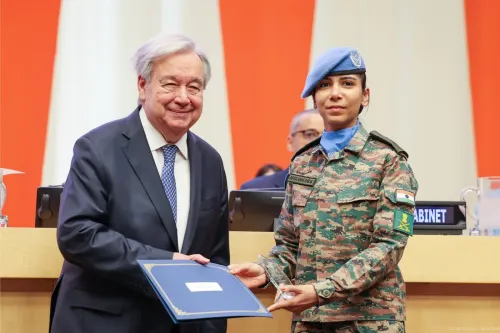
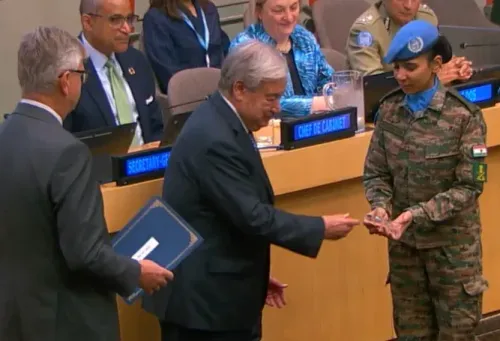
Major Abhilasha Barak of the Indian Army received the 2025 Military Gender Advocate of the Year Award from UN Secretary-General António Guterres on 6 June .
Barak called for diplomacy, a sustained ceasefire, and community-level rebuilding — including post-trauma support — in Lebanon .
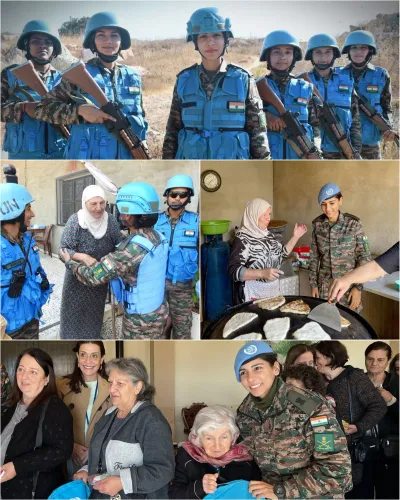
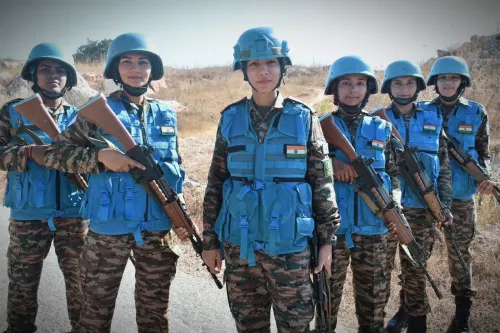
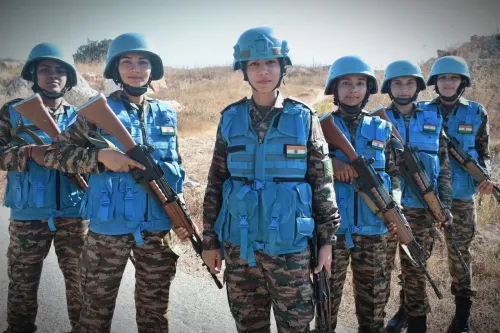
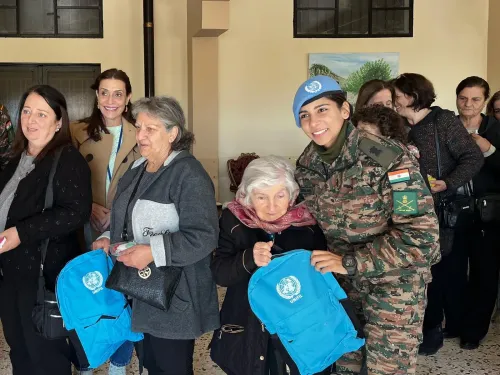
She serves as Engagement Team Commander and Gender Focal Point in the Indian Battalion with UNIFIL , organising vocational training, health awareness, and cultural exchange for women and girls.
Barak is the first Indian Army woman combat helicopter pilot and a qualified air traffic controller.
UNIFIL is currently the most dangerous UN peacekeeping operation; seven peacekeepers have been killed since March 2025 .
Peace in Lebanon is linked to ending the Iran conflict and reopening the Hormuz Strait , whose closure has affected India's gas and petroleum supplies.
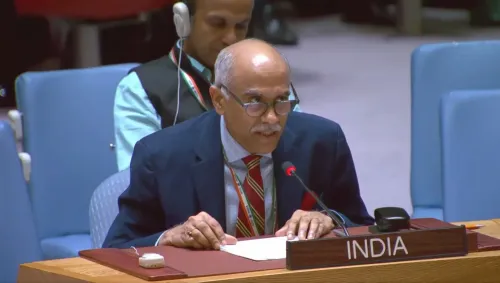
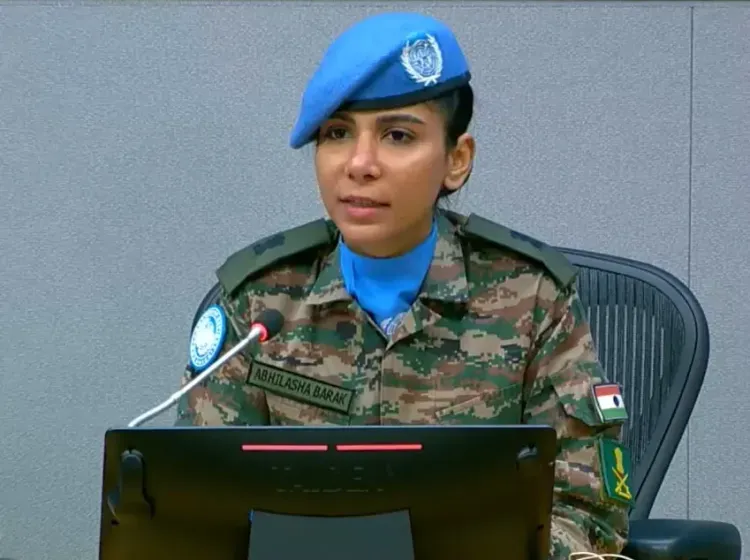
Indian Army Major Abhilasha Barak, honoured with the 2025 Military Gender Advocate of the Year Award by the United Nations, has called for sustained diplomacy and dialogue to end the conflict in Lebanon and pave the way for rebuilding the war-devastated country. Barak made the remarks at a news conference at the UN on 6 June.
Barak's Call for Peace and Rebuilding
'What I foresee further is that talks should take place, diplomacy should come into action, and hopefully the ceasefire will continue,' Barak said. She stressed that recovery must go beyond physical reconstruction — roads and destroyed homes — to address the psychological wounds of the conflict. 'We must work on that as a community, as a government, and as peacekeepers, and rebuild Lebanon,' she added.
The UN Award and What It Recognises
UN Secretary-General António Guterres personally presented the award to Barak, describing her as a role model. 'As a frontline commander, she has engaged thousands of women and girls through vocational training and programmes for education and health,' Guterres said, adding that she is 'transforming the lives of women and girls, even under the most challenging circumstances.'
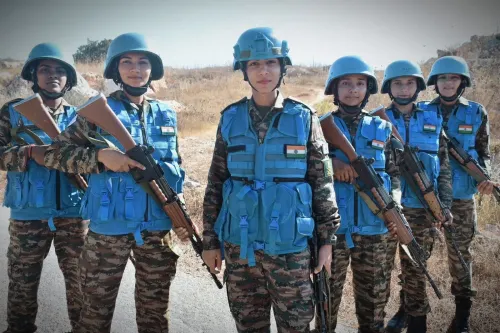
Barak serves as the Engagement Team Commander and Gender Focal Point in the Indian Battalion deployed with the UN Interim Force in Lebanon (UNIFIL). She is also the first Indian Army woman combat helicopter pilot and a qualified air traffic controller.
Her Work on the Ground in Lebanon
'As an engagement team commander, my aim was to interact and engage with all the members of the community, especially with women and adolescent girls who had a resistance in interacting with the male peacekeepers,' Barak explained. Her team organised vocational training programmes to make women and girls financially independent, alongside health and education awareness sessions, physical fitness activities, recreational events, and cultural exchange programmes.
The Broader Crisis: UNIFIL Under Threat
UNIFIL is currently considered the most dangerous UN peacekeeping operation. Seven peacekeepers have been killed since March, with the most recent fatality reported on Wednesday. The force operates in an area where clashes between Tehran-backed Hezbollah and Israel have intensified since the wider Iran conflict began.
A ceasefire brokered by US President Donald Trump has repeatedly been violated, and vast stretches of Lebanon remain devastated. Notably, Tehran has made a ceasefire between Israel and Hezbollah a condition for suspending hostilities with the United States. The Lebanon situation is further entangled with the closure of the Hormuz Strait, which has disrupted India's gas and petroleum supplies.
What Comes Next
The path to stability in Lebanon remains contingent on broader regional diplomacy, particularly a resolution to the Iran conflict. As UNIFIL continues to operate under dangerous conditions, Barak's award draws attention to the critical — and often overlooked — role of gender-focused peacekeeping in conflict zones. The international community will be watching whether the fragile ceasefire holds long enough for reconstruction efforts to begin.
Point of View
Gender-sensitive engagement. Yet the backdrop is sobering: UNIFIL has lost seven personnel since March, and the ceasefire it is meant to uphold has been repeatedly violated. Recognising gender advocacy while the mission's basic security mandate remains unmet raises an uncomfortable question about whether the international community is substituting soft programming for the hard political work of ending the conflict. India's stake is also material — the Hormuz closure is squeezing its energy imports, giving New Delhi a direct strategic interest in a Lebanon resolution that goes beyond diplomatic goodwill.
NationPress
20 Sept 2026
Frequently Asked Questions
Who is Major Abhilasha Barak and what award did she win?
Major Abhilasha Barak is an Indian Army officer serving with UNIFIL in Lebanon. She received the UN's 2025 Military Gender Advocate of the Year Award from Secretary-General António Guterres on 6 June, recognising her work in vocational training, health education, and community engagement for women and girls in the conflict zone.
What did Major Barak say about the Lebanon conflict?
Barak called for diplomacy and dialogue to sustain the ceasefire and transition Lebanon toward rebuilding. She emphasised that recovery must address post-trauma and psychological healing, not just physical reconstruction of roads and homes.
How dangerous is the UNIFIL mission currently?
UNIFIL is currently described as the most dangerous UN peacekeeping operation. Seven peacekeepers have been killed since March 2025, with the most recent fatality occurring on the Wednesday before Barak's news conference.
Why does the Lebanon conflict matter to India?
Beyond its peacekeeping commitment, India has a direct economic stake: the closure of the Hormuz Strait — linked to the broader Iran conflict of which Lebanon is a theatre — has disrupted India's gas and petroleum supplies. A resolution in Lebanon is therefore tied to India's energy security.
What is Major Barak's historic distinction in the Indian Army?
Abhilasha Barak is the first Indian Army woman combat helicopter pilot. She is also a qualified air traffic controller and currently serves as Engagement Team Commander and Gender Focal Point in the Indian Battalion deployed with UNIFIL.