Gadkari salutes Maj Abhilasha Barak's UN Gender Advocate Award
Synopsis
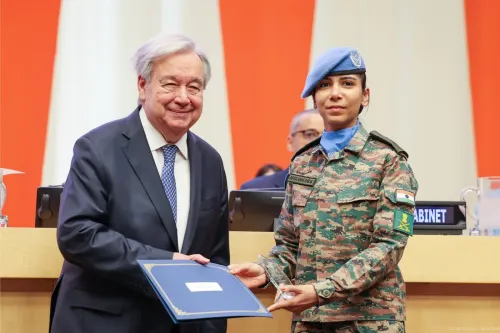
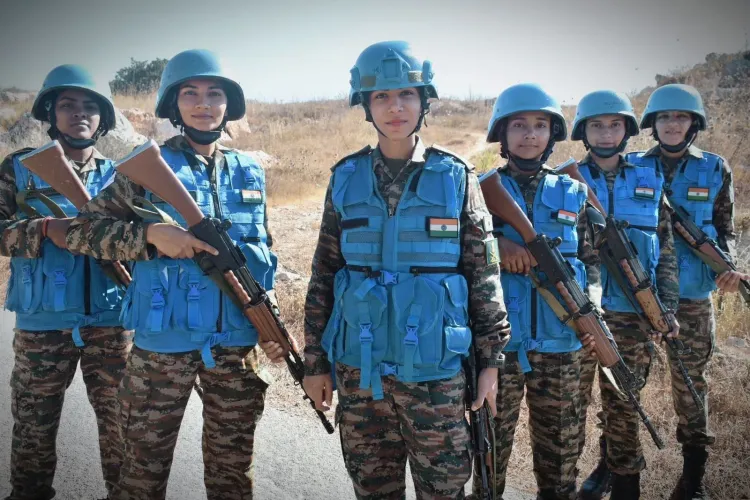
Union Minister Nitin Gadkari on June 7, 2026, saluted Major Abhilasha Barak on receiving the UN Military Gender Advocate of the Year Award for her service with UNIFIL, calling her a symbol of NariShakti and a reflection of India's enduring UN peacekeeping legacy.
Key Takeaways
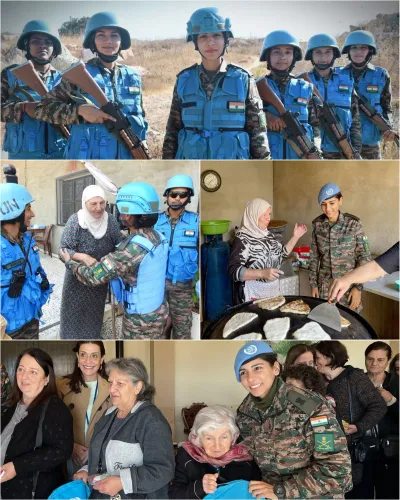
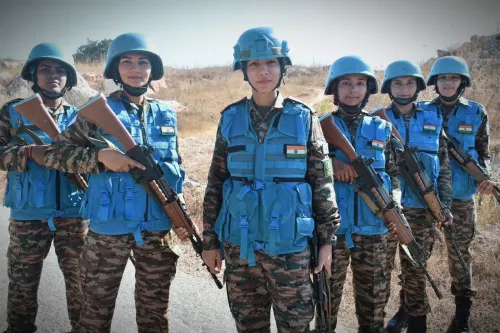
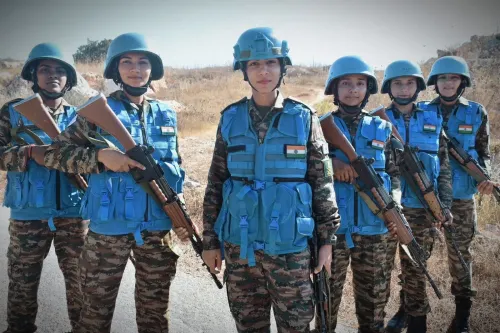
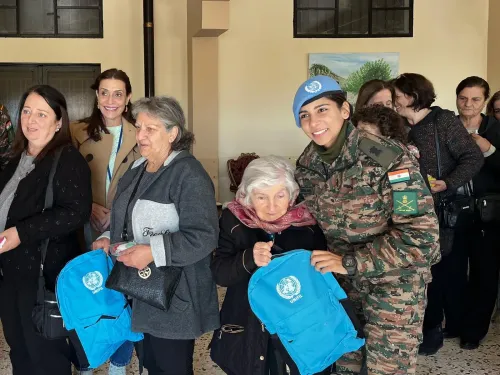
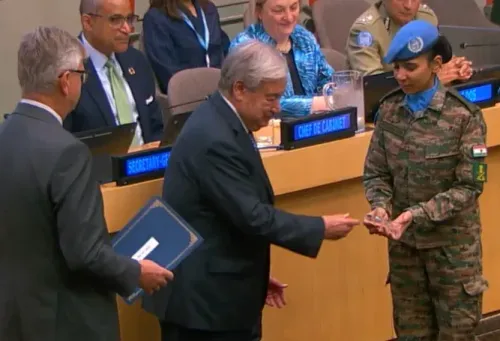
Major Abhilasha Barak of the Indian Army has been honoured with the UN Military Gender Advocate of the Year Award for her service with UNIFIL in Lebanon.
Union Minister Nitin Gadkari publicly saluted her achievement on June 7, 2026 , describing her as an embodiment of NariShakti .
India has participated in more than 40 UN peacekeeping missions and deployed over 2,00,000 personnel since 1956.
In 2007 , India deployed the world's first all-female Formed Police Unit to the UN Mission in Liberia.
The award is seen as reflecting India's broader policy of increasing women's participation in multilateral peacekeeping deployments.
Indian statements on peacekeeping reform at the next UN General Assembly session are expected to reference Major Barak's recognition.
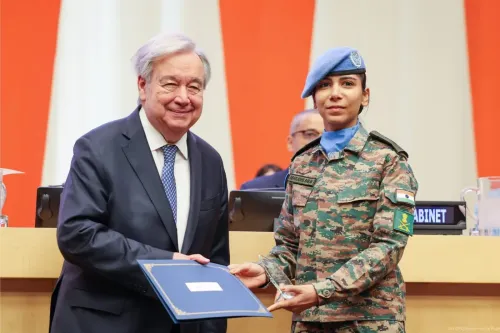
Union Road Transport and Highways Minister Nitin Gadkari on Sunday, June 7, 2026, saluted Major Abhilasha Barak of the Indian Army after she was honoured with the UN Military Gender Advocate of the Year Award for her service with the United Nations Interim Force in Lebanon (UNIFIL).
Context
Major Barak received the UN Military Gender Advocate of the Year Award in recognition of her service with UNIFIL, the UN peacekeeping mission in Lebanon established under UN Security Council Resolution 425 in 1978. Gadkari described her as 'a true embodiment of #NariShakti' — women power — and said her journey 'inspires young Indians, especially women, to lead with courage and contribute to global peace and humanity.'
The minister added that the recognition 'not only celebrates her individual excellence but also reflects India's enduring legacy in UN peacekeeping,' framing the award as a national milestone as much as a personal one.
Policy Backdrop
India has been one of the largest and longest-standing contributors to UN peacekeeping operations, having participated in more than 40 missions and deployed over 2,00,000 personnel cumulatively since its first contribution in 1956 to the UN Emergency Force in the Middle East. The country has progressively increased the participation of women in its peacekeeping contingents — a landmark moment came in 2007 when India deployed an all-female Formed Police Unit to the UN Mission in Liberia, the first such unit in UN peacekeeping history.
Major Barak's award sits within this decades-long policy of active multilateral engagement and the incremental push to raise the proportion of women officers in UN-mandated deployments.
Stakeholders and Impact
The award carries significance for women officers across the Indian Army and serves as a visible signal of the career pathways available in international peacekeeping postings. For the broader community of UN peacekeeping troops, it underscores the UN's stated commitment to mainstreaming gender in its field operations.
Senior political figures across party lines have in recent years publicly highlighted individual achievements of Indian military personnel in multilateral forums, reinforcing domestic support for continued troop contributions to UN missions. Gadkari's post continues that pattern, lending ministerial visibility to Major Barak's recognition.
What's Next
Attention will now turn to India's position at the next UN General Assembly session on peacekeeping reform, where New Delhi is expected to reiterate its commitment to expanding women's participation in future troop and police contingents. Major Barak's award is likely to be cited as evidence of the quality of India's peacekeeping contribution and the effectiveness of its gender-inclusion efforts in multilateral deployments.
Her recognition sets a precedent that could accelerate institutional momentum within the Indian Army to nominate and deploy more women officers to high-profile UN missions, strengthening India's claim to a larger role in shaping the future architecture of global peacekeeping.
Point of View
Giving the recognition dual political and diplomatic resonance. At a structural level, the award draws attention to India's decades-long investment in UN peacekeeping as soft-power currency, an asset that successive governments have cultivated regardless of ideological stripe. Whether this translates into concrete policy — such as binding targets for women officers in future UN deployments — remains the more consequential question.
NationPress
20 Sept 2026
Frequently Asked Questions
Who is Major Abhilasha Barak?
Major Abhilasha Barak is an Indian Army officer who served with UNIFIL, the UN peacekeeping force in Lebanon, and received the UN Military Gender Advocate of the Year Award for her distinguished service.
What is the UN Military Gender Advocate of the Year Award?
The UN Military Gender Advocate of the Year Award recognises an individual military peacekeeper who has best integrated UN Security Council Resolution 1325 on women, peace and security into their work during a peacekeeping mission.
What is India's history with UN peacekeeping?
India has participated in more than 40 UN peacekeeping missions since 1956 and has cumulatively deployed over 2,00,000 military and police personnel, making it one of the largest troop-contributing countries in UN history.
Why did Nitin Gadkari post about Major Abhilasha Barak?
Gadkari, a senior Union Minister, posted a tribute to Major Barak to salute her UN award, framing it as a reflection of India's peacekeeping legacy and an inspiration for young Indians, particularly women, to pursue roles in global peace missions.