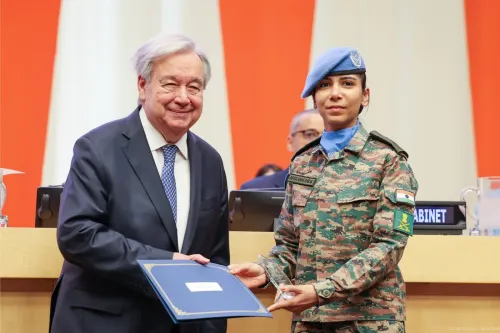
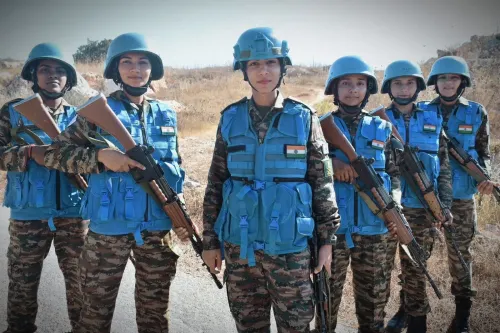
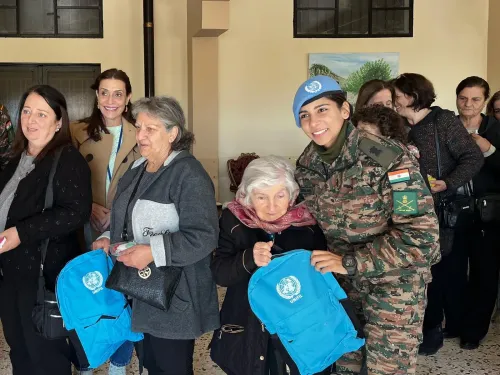
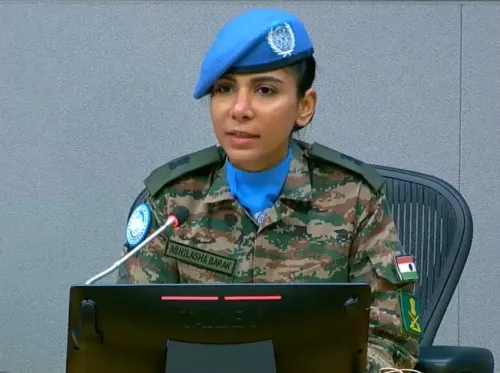
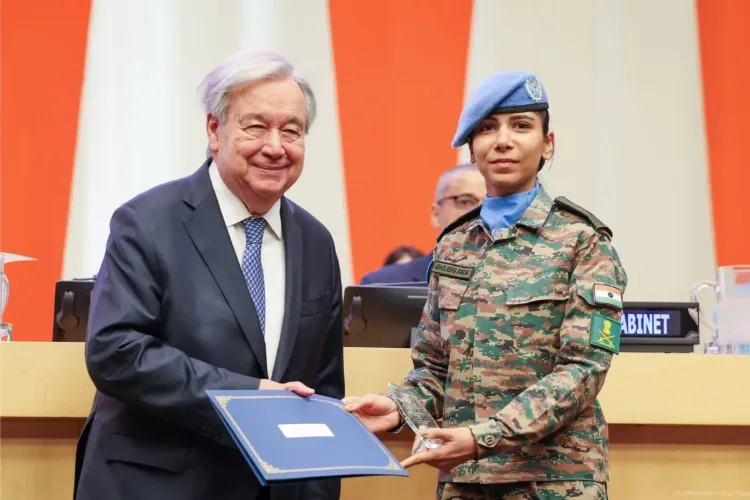
Sonowal congratulates Maj Abhilasha Barak on UN Gender Award
Synopsis
Union Minister Sarbananda Sonowal congratulated Major Abhilasha Barak on receiving the UN Military Gender Advocate of the Year Award, highlighting India's record in UN peacekeeping and the government's Nari Shakti narrative around women in uniform.
Key Takeaways
Major Abhilasha Barak has been conferred the UN Military Gender Advocate of the Year Award , one of the United Nations' top honours for peacekeeping personnel.
Union Minister Sarbananda Sonowal extended congratulations on June 7, 2026 , calling her service a testament to India's UN peacekeeping legacy.
India has contributed more than 2,00,000 personnel to over 50 UN peacekeeping missions since 1950 .
India began deploying all-women police contingents to UN missions from 2015 , starting with Liberia and later South Sudan .
The recognition amplifies the government's Nari Shakti framing of women's achievements in India's uniformed and defence services.
Union Ports and Shipping Minister Sarbananda Sonowal on Sunday, June 7, 2026, congratulated Major Abhilasha Barak on receiving the UN Military Gender Advocate of the Year Award, calling her achievement a reflection of India's proud legacy in United Nations peacekeeping operations.
Context
In his post, Minister Sonowal described Major Abhilasha Barak's recognition as proof that 'India's Nari Shakti shines on the global stage.' He said her 'exemplary service is a true testament to our proud legacy in UN Peacekeeping' and called her 'a true inspiration to countless young Indians, especially our daughters, who aspire to serve the nation and humanity.'
The UN Military Gender Advocate of the Year Award is one of the United Nations' most prominent honours recognising military personnel who champion gender equality and the meaningful participation of women in peacekeeping missions worldwide.
Policy Backdrop
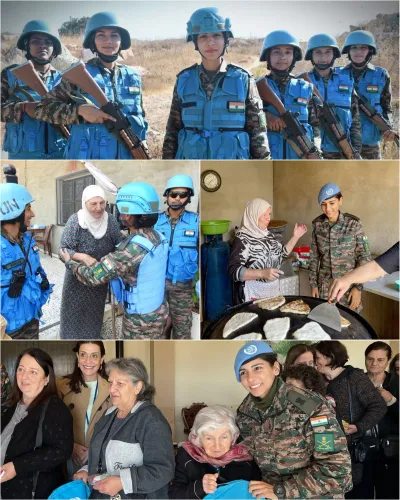
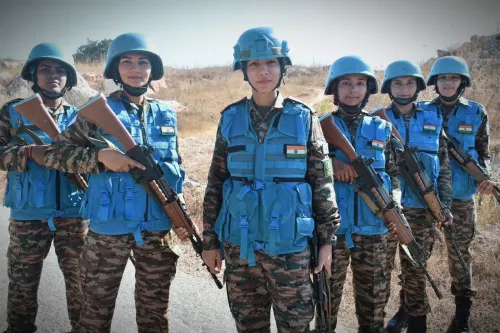
India has contributed more than 2,00,000 personnel to over 50 UN peacekeeping missions since its first deployment in 1950, making it one of the largest troop-contributing nations in the history of the United Nations. This sustained record has become a cornerstone of India's multilateral foreign policy identity.
From 2015 onwards, India began deploying dedicated all-women police contingents to UN missions, beginning with Liberia and later extending to South Sudan. These deployments were part of a broader domestic policy push toward gender integration in the armed forces and uniformed services.
The current government has consistently used the term Nari Shakti — meaning 'women's power' — as a framing device to highlight achievements by Indian women in defence, sports, science, and public service on both national and international platforms.
Stakeholders and Impact
The award carries significance for women in the Indian armed forces, who have seen incremental but steady expansion of their roles — from short-service commissions to permanent commissions in the Army, Navy, and Air Force following a series of Supreme Court rulings and policy revisions over the past decade.
For UN peacekeeping personnel and the broader international community, India's consistent contribution of women officers to high-visibility missions reinforces its standing as a responsible and progressive troop-contributing country. Recognition at the UN level also provides diplomatic capital that India has historically leveraged in multilateral forums.
At the grassroots level, such recognitions are seen as catalysts for encouraging young women from across India — including from smaller towns and rural areas — to pursue careers in the armed forces, a segment that defence recruitment campaigns have increasingly targeted in recent years.
What's Next
Attention will now turn to the next scheduled rotation of Indian peacekeeping contingents to active UN missions and any formal government announcements on enhanced female induction targets across the three services. Parliamentary sessions have previously seen debates on expanding women's roles in combat and peacekeeping roles, and this award is likely to renew that conversation.
Sonowal's congratulatory message, while ceremonial in nature, reinforces the ruling party's consistent effort to associate governance with visible achievements by Indian women in uniform — a narrative likely to feature in broader political communication in the months ahead.
Point of View
And a senior minister's swift congratulation underscores how such recognitions are folded into the Nari Shakti narrative. The tribute from Sonowal — a minister whose portfolio is unrelated to defence — signals the cross-sectoral political salience the ruling party attaches to women's achievements in the armed forces. India's decades-long record as a top UN troop contributor gives this moment genuine diplomatic weight beyond domestic optics. The award is also likely to reinforce ongoing policy conversations around expanding female induction targets and combat roles across the three services.
NationPress
20 Sept 2026
Frequently Asked Questions
Who is Major Abhilasha Barak?
Major Abhilasha Barak is an Indian Army officer who has been conferred the UN Military Gender Advocate of the Year Award for her service and advocacy in UN peacekeeping operations. Her specific unit and full service record have not been officially disclosed in public domain at the time of this report.
What is the UN Military Gender Advocate of the Year Award?
The UN Military Gender Advocate of the Year Award is presented by the United Nations to a military peacekeeper who has distinguished themselves in promoting gender equality and the participation of women in peacekeeping missions.
What is India's record in UN peacekeeping?
India has contributed more than 2,00,000 personnel to over 50 UN peacekeeping missions since 1950, making it one of the largest troop-contributing nations in UN history. India also began deploying all-women police contingents to missions in Liberia and South Sudan from 2015.
What is Nari Shakti and why is it being mentioned?
Nari Shakti , meaning 'women's power,' is a term used by the Indian government to highlight and celebrate achievements by Indian women across sectors including defence, science, and sports. It has become a recurring theme in official political communication.
Why did Sarbananda Sonowal comment on a defence award?
Sarbananda Sonowal is a senior BJP leader and Union Cabinet minister. While his portfolio covers ports and waterways, senior ministers routinely issue congratulatory statements on matters of national pride, particularly those aligned with the government's broader policy narratives such as Nari Shakti.