CM Fadnavis Invites President Murmu to Nashik Kumbh 2027
Synopsis
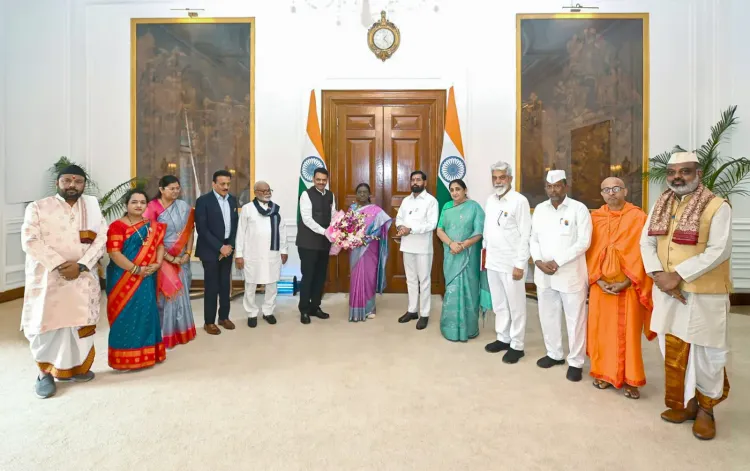
Maharashtra CM Devendra Fadnavis met President Droupadi Murmu at Rashtrapati Bhavan on October 21, 2026, extending a formal invitation for her to hoist the Dharmadhwaj at the Nashik-Trimbakeshwar Simhastha Kumbh Mela 2027 — the first such gathering in 12 years.
Key Takeaways
CM Devendra Fadnavis visited Rashtrapati Bhavan on October 21, 2026 to meet President Droupadi Murmu .
He formally invited the President to hoist the Dharmadhwaj at the Nashik-Trimbakeshwar Simhastha Kumbh Mela 2027 .
The Simhastha Kumbh Mela is held every 12 years ; the previous edition was in 2015 .
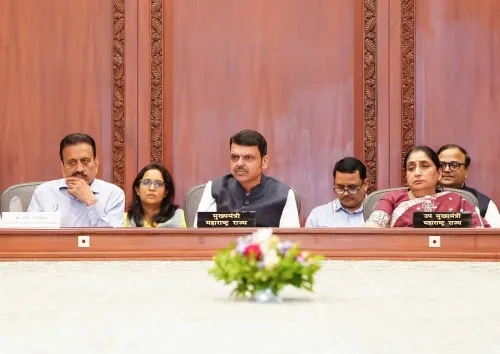
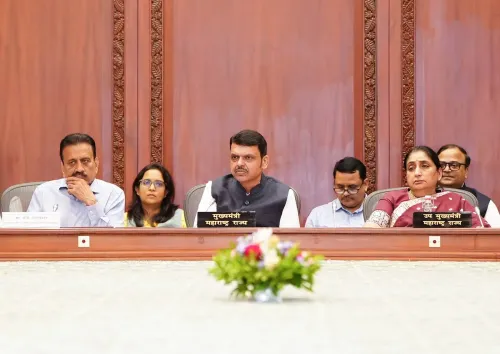
Deputy CMs Eknath Shinde and Sunetra Ajit Pawar , along with cabinet ministers and dignitaries, were part of the delegation.
The invitation is described as 'an important milestone' in state-level preparations for the 2027 event.
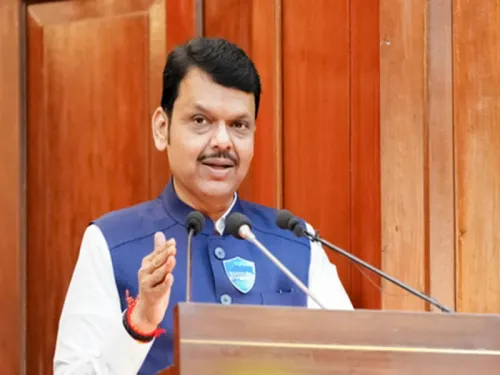
A presidential invitation has been extended — and with it, the clock on one of Hinduism's grandest pilgrimages starts ticking louder. Maharashtra Chief Minister Devendra Fadnavis called on President Droupadi Murmu at Rashtrapati Bhavan, New Delhi, on Wednesday, October 21, 2026, formally inviting her to preside over the hoisting of the Dharmadhwaj (the sacred flag) at the Nashik-Trimbakeshwar Simhastha Kumbh Mela 2027.
The Dharmadhwaj moment and what it means
The hoisting of the Dharmadhwaj is not a ceremonial footnote — it is the formal, symbolic declaration that the Simhastha cycle has begun. By securing the President's commitment to grace that moment, the Maharashtra government signals that preparations for the 2027 edition are moving from planning rooms into public ritual. Fadnavis described the invitation as 'an important milestone in the preparations for the Simhastha Kumbh Mela.'
Accompanying the Chief Minister at Rashtrapati Bhavan were Deputy Chief Minister Eknath Shinde, Deputy Chief Minister Sunetra Ajit Pawar, cabinet ministers, and other dignitaries — underlining that this was a full state-government deputation, not a routine courtesy visit.
Why Nashik-Trimbakeshwar, and why now
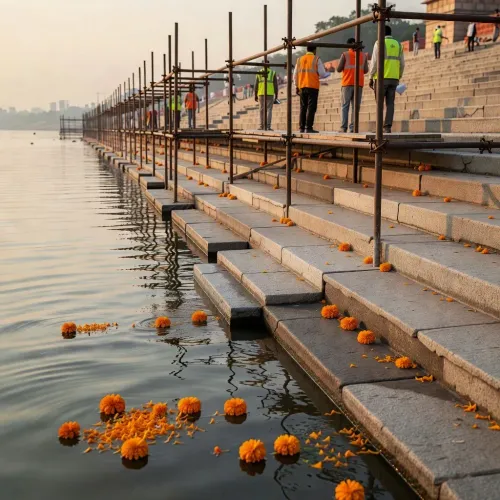
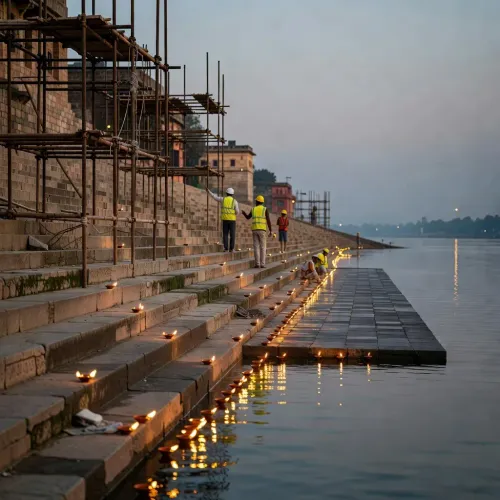
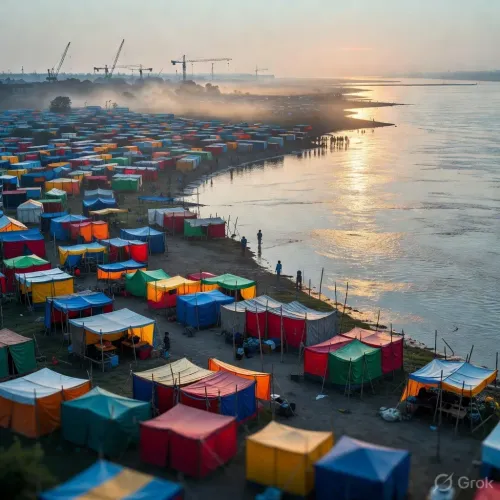
The Simhastha Kumbh Mela at Nashik and Trimbakeshwar is held every 12 years, timed to the position of Jupiter (Simhastha refers to Jupiter's transit through Leo). The last edition was held in 2015, drawing tens of millions of pilgrims to the banks of the Godavari River. The 2027 edition is therefore the first in over a decade — and state governments typically begin high-level coordination years in advance given the staggering logistics: crowd management, water supply, transport, sanitation, and security for what routinely becomes one of the largest peaceful gatherings on earth.
Inviting the President this early in the preparatory arc is consistent with protocol: it anchors national attention to the event, reassures organisers of the Centre's ceremonial endorsement, and, practically, locks the presidential calendar well ahead of time.
What to watch as 2027 approaches
The formal invitation is the opening note. What follows will matter more: infrastructure upgrades along the Godavari ghats, budget allocations from the state, security planning across Nashik and Trimbakeshwar districts, and coordination with the Centre on railway and highway capacity. Each announcement will be measured against the scale of 2015 — and against the ambition the Fadnavis government has now publicly staked on this gathering.
A presidential flag-hoisting at Nashik in 2027 would mark the first time India's first citizen opens the Simhastha cycle at this site. That alone makes the next few months of preparation worth watching closely.
Point of View
Boosting the Fadnavis government's profile as a competent custodian of Maharashtra's biggest religious event. It also reflects a broader BJP pattern of visibly linking high-profile Hindu pilgrimage events to the office of the President, reinforcing both cultural nationalism and Centre-state alignment. With the Simhastha just over a year away, the move shifts public scrutiny toward delivery — infrastructure, funding, and crowd management — where the government will now be held to the standard its own symbolism demands. DCM Eknath Shinde's prominent inclusion in the delegation signals that the ruling Mahayuti coalition is projecting unified stewardship of the event ahead of any potential political friction.
NationPress
21 Oct 2026
Frequently Asked Questions
What is the Nashik-Trimbakeshwar Simhastha Kumbh Mela?
The Simhastha Kumbh Mela at Nashik and Trimbakeshwar is a major Hindu pilgrimage held every 12 years on the banks of the Godavari River, timed to the transit of Jupiter through Leo. The last edition was held in 2015.
Why did CM Fadnavis meet President Murmu on October 21, 2026?
CM Devendra Fadnavis met President Droupadi Murmu at Rashtrapati Bhavan to formally invite her to preside over the hoisting of the Dharmadhwaj — the sacred flag marking the opening of the Simhastha Kumbh Mela 2027 at Nashik-Trimbakeshwar.
What is the Dharmadhwaj at Kumbh Mela?
The Dharmadhwaj, or sacred flag, is hoisted as a formal ceremonial act signalling the official commencement of the Simhastha Kumbh Mela cycle. It is one of the most important ritual milestones in the event's preparations.
When is the next Simhastha Kumbh Mela in Nashik?
The next Nashik-Trimbakeshwar Simhastha Kumbh Mela is scheduled for 2027, twelve years after the previous edition held in 2015.
Who accompanied CM Fadnavis to Rashtrapati Bhavan for the Kumbh Mela invitation?
Deputy Chief Ministers Eknath Shinde and Sunetra Ajit Pawar, along with cabinet ministers and other dignitaries from Maharashtra, accompanied CM Fadnavis during the October 21 meeting with President Murmu.