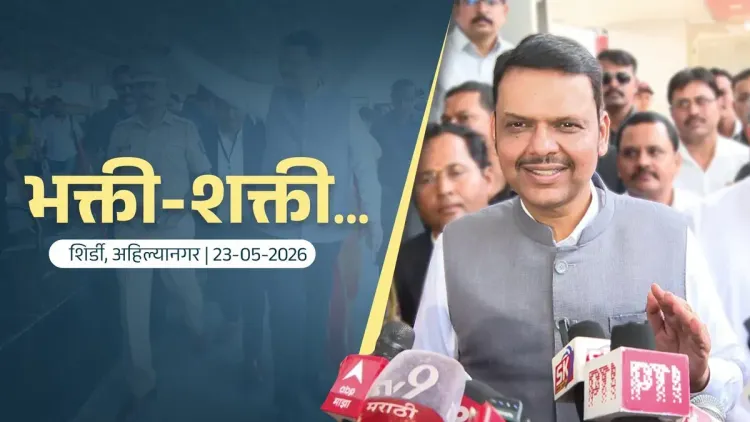
CM Fadnavis Invokes Bhakti-Shakti at Shirdi Visit
Synopsis
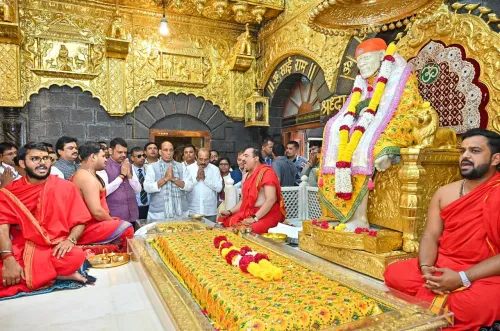
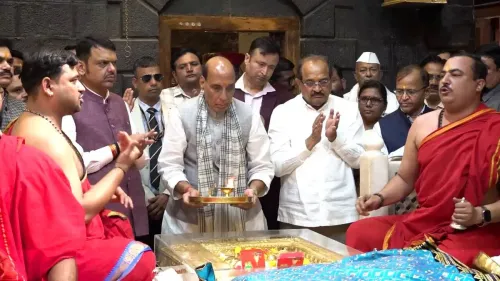
Maharashtra Chief Minister Devendra Fadnavis visited Shirdi in Ahilyanagar on 23 May 2026, invoking the twin values of Bhakti and Shakti in a bilingual Marathi-Hindi message. The visit underscores the state's cultural messaging around the renamed district and its major pilgrimage centre.
Key Takeaways
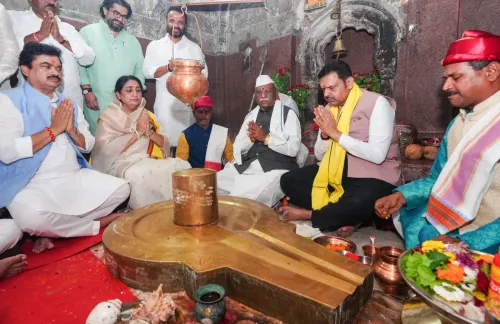
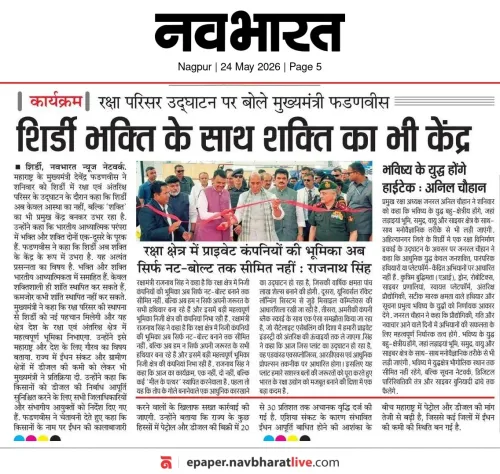
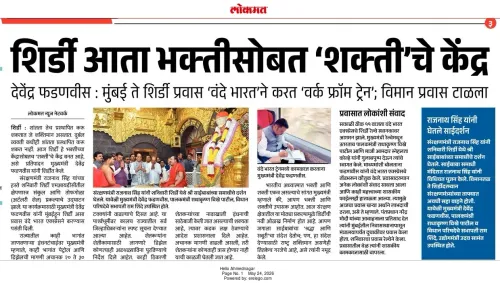
Maharashtra CM Devendra Fadnavis visited Shirdi, Ahilyanagar on 23 May 2026 .
He posted a bilingual Marathi and Hindi message invoking Bhakti-Shakti (devotion and strength).
Ahilyanagar district was renamed from Ahmednagar in 2024 to honour 18th-century ruler Ahilyabai Holkar .
Shirdi is one of Maharashtra's foremost pilgrimage centres, home to the Sai Baba temple.
The Bhakti-Shakti formulation reflects a longstanding political-cultural tradition in Maharashtra linking spiritual and administrative values.
State government announcements on Shirdi infrastructure and further heritage initiatives may follow.
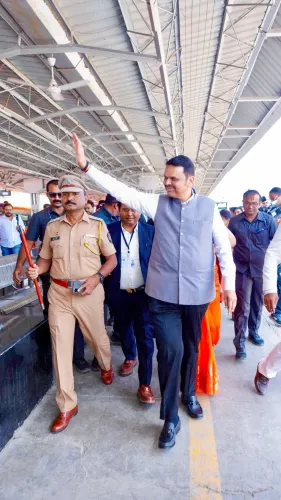
Maharashtra Chief Minister Devendra Fadnavis visited Shirdi in Ahilyanagar district on 23 May 2026, using the occasion to invoke the twin values of devotion and strength — Bhakti-Shakti — in a multilingual message addressed to the people of Maharashtra.
Context
Posting in both Marathi and Hindi, Fadnavis declared: 'We are all worshippers of Bhakti-Shakti' (आपण सगळे भक्ती-शक्तीचे उपासक आहोत / हम सभी भक्ति-शक्ति के उपासक हैं). The bilingual framing was deliberate, reaching across Maharashtra's linguistic communities simultaneously. The post was tagged with #Maharashtra and #Ahilyanagar, anchoring the message firmly to the district and state.
Shirdi, home to the revered Sai Baba temple, is one of Maharashtra's most visited pilgrimage sites and draws millions of devotees each year. Visits by senior state leaders to Shirdi carry both spiritual and political resonance, frequently serving as platforms for public messaging on cultural identity.
Policy Backdrop
The district in which Shirdi sits was officially renamed from Ahmednagar to Ahilyanagar in 2024 by the Maharashtra government, in honour of the 18th-century Maratha ruler Ahilyabai Holkar. The renaming was part of a broader state initiative to commemorate regional heritage figures and assert a distinct cultural identity for western Maharashtra.
Fadnavis's use of the Ahilyanagar tag — rather than the older Ahmednagar — signals continued official endorsement of the renaming and keeps the legacy of Ahilyabai Holkar in public discourse. The Bhakti-Shakti formulation itself has a long lineage in Maharashtra's political culture, drawing on the state's rich tradition of saint-poets and warrior-administrators.
Stakeholders and Impact
The message lands directly with pilgrims and devotees who visit Shirdi in large numbers, a constituency that spans caste, class, and regional lines across Maharashtra and beyond. For the ruling dispensation, a visible presence at major religious centres reinforces a governance narrative that blends cultural pride with administrative intent.
The post also speaks to Maharashtra voters more broadly, particularly in the Ahilyanagar belt, where the district renaming remains a live political talking point. Associating the Bhakti-Shakti message with the newly named district ties heritage symbolism to contemporary governance.
What's Next
Observers will watch for follow-up state government announcements on Shirdi infrastructure upgrades — including pilgrim facilities and connectivity — which have been on the Maharashtra government's agenda. The 2026-27 assembly session may also see further proposals related to district renaming or heritage-promotion schemes in western Maharashtra, with Fadnavis's Shirdi visit potentially setting the political tone for such moves.
Point of View
The visit, the messaging, and the hashtags form a coherent political communication strategy ahead of any forthcoming local or assembly-level electoral cycle in western Maharashtra.
NationPress
14 Oct 2026
Frequently Asked Questions
Why did CM Fadnavis visit Shirdi on 23 May 2026?
Fadnavis visited Shirdi, a major pilgrimage centre in Ahilyanagar district, and used the occasion to share a public message invoking the values of Bhakti and Shakti. The exact programme accompanying the visit has not been officially confirmed beyond his social media post.
What does Bhakti-Shakti mean in the context of Maharashtra politics?
Bhakti-Shakti translates to 'devotion and strength.' In Maharashtra's political culture, the phrase draws on the state's tradition of saint-poets and warrior-rulers, and is used by leaders to link spiritual devotion with administrative or political resolve.
Why is the district called Ahilyanagar and not Ahmednagar?
The Maharashtra government officially renamed Ahmednagar district to Ahilyanagar in 2024 to honour Ahilyabai Holkar , the celebrated 18th-century Maratha ruler and administrator who is revered across western Maharashtra.
What is the significance of Shirdi for Maharashtra?
Shirdi is home to the Sai Baba temple, one of India's most visited religious sites, attracting millions of pilgrims annually. It holds deep spiritual significance across communities and is a frequent destination for Maharashtra's political leaders.
What government initiatives are expected around Shirdi in 2026?
The Maharashtra government has been considering upgrades to Shirdi's pilgrim infrastructure and connectivity. Further announcements on heritage promotion and possibly additional district-renaming proposals are expected in the 2026-27 assembly session.