CM Fadnavis Hails Maharashtra as India's Top Cooperative State
Synopsis
At Mumbai's Sahakar Gaurav Puraskar ceremony on the International Day of Cooperatives, CM Devendra Fadnavis declared Maharashtra home to India's largest cooperative sector, reaffirming the state's decades-long leadership in sugar, dairy, and credit cooperatives.
Key Takeaways
CM Devendra Fadnavis stated that Maharashtra has the largest cooperative sector in India, speaking at the Sahakar Gaurav Puraskar ceremony in Mumbai on 4 July 2026 .
The event coincided with the International Day of Cooperatives , a UN-recognised annual observance held on the first Saturday of July.
Maharashtra's cooperative dominance is rooted in the Maharashtra Cooperative Societies Act, 1960 , which established the state's regulatory framework for cooperatives.
The 97th Constitutional Amendment Act, 2011 , gave cooperatives constitutional status nationwide through Article 43B and Part IXB .
NABARD , established in 1982 , has supported Maharashtra's cooperative banks and sugar factories through central funding channels.
The sector directly impacts rural farmers , cooperative credit members, dairy producers, and sugar factory workers across the state.
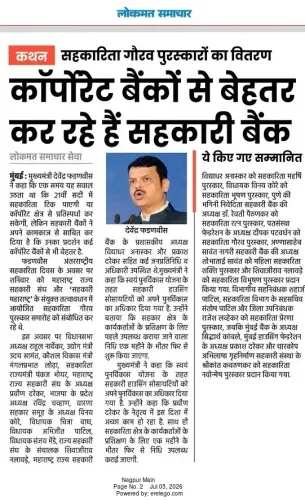
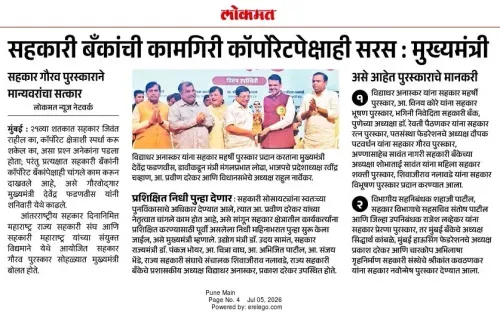
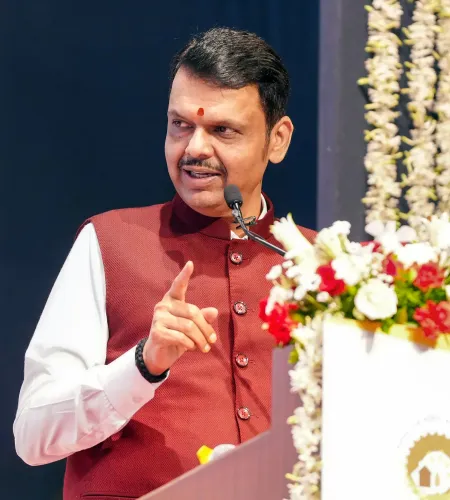
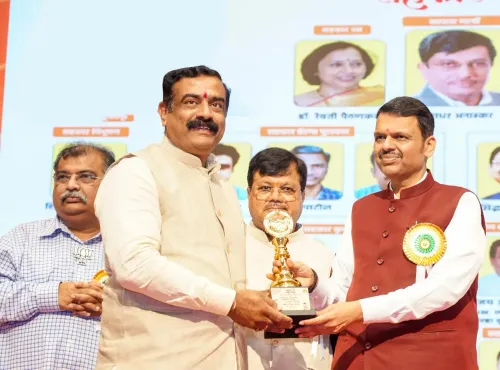
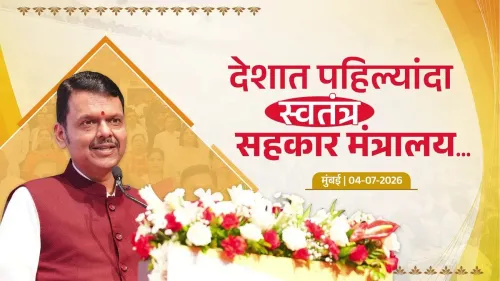
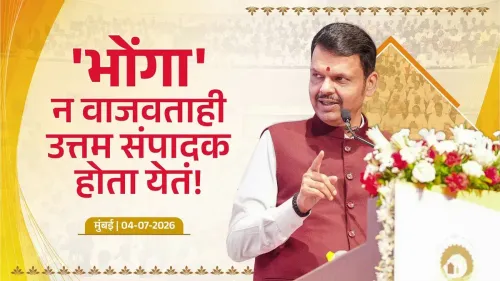
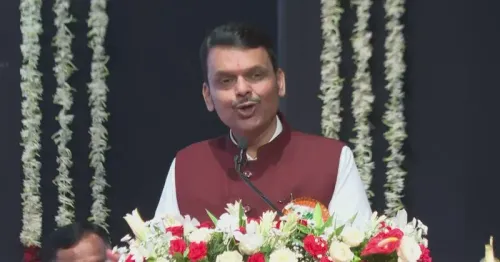
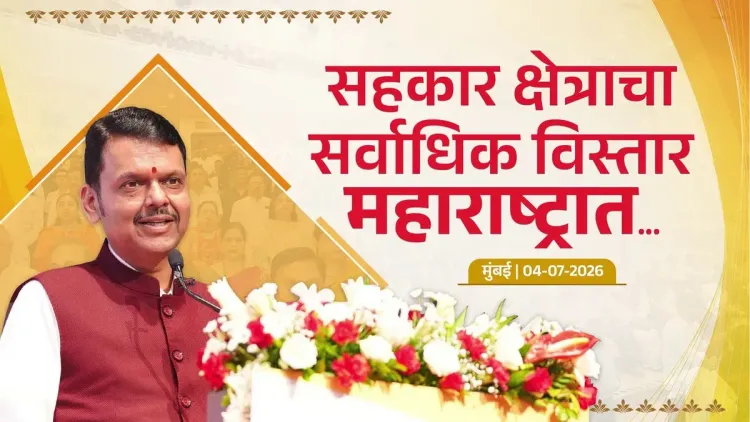
Maharashtra Chief Minister Devendra Fadnavis on Saturday, 4 July 2026, declared that Maharashtra has the largest cooperative sector in India, speaking at the Sahakar Gaurav Puraskar (Cooperative Excellence Awards) ceremony held in Mumbai on the occasion of the International Day of Cooperatives.
Posting on X, Fadnavis stated in Marathi and Hindi: 'सहकार क्षेत्राचा सर्वाधिक विस्तार महाराष्ट्रात पाहायला मिळतो' — 'The greatest expansion of the cooperative sector is seen in Maharashtra.' The bilingual post underscored the state's pride in a sector that spans sugar, dairy, credit, and housing cooperatives.
Context
The Sahakar Gaurav Puraskar ceremony is a state-level awards event that honours outstanding contributions to Maharashtra's cooperative movement. The event was held in Mumbai on 4 July 2026, coinciding with the International Day of Cooperatives, an annual observance recognised by the United Nations since 1995 following a 1992 UN General Assembly resolution.
Fadnavis's remarks position Maharashtra's cooperative network as a benchmark for the rest of the country, reflecting a longstanding state narrative around cooperative leadership that successive governments have maintained.
Policy Backdrop
Maharashtra's dominance in the cooperative sector has deep legislative roots. The Maharashtra Cooperative Societies Act, 1960, established the regulatory architecture that enabled the state's early and sustained growth in cooperative institutions, particularly in western Maharashtra's sugar belt and dairy sector.
At the national level, the 97th Constitutional Amendment Act, 2011, inserted Article 43B and Part IXB into the Constitution, granting cooperatives formal constitutional status and greater autonomy. NABARD, established in 1982, has since channelled central financial support to Maharashtra's district central cooperative banks and cooperative sugar factories, reinforcing the state's structural advantage.
Stakeholders and Impact
The cooperative sector in Maharashtra directly affects rural farmers, members of cooperative credit societies, workers in sugar factories, and dairy producers. These institutions have historically served as primary vehicles for rural credit and agro-processing across the state's districts.
The Fadnavis administration's use of a formal awards ceremony on the International Day of Cooperatives signals continued government attention to the sector's visibility and institutional health. Analysts note that cooperative bodies in Maharashtra have also long been significant in the state's political economy, making governance engagement with them a consistent priority across party lines.
What's Next
Attention will now turn to whether the 2026 Sahakar Gaurav Puraskar event was accompanied by new policy commitments or scheme announcements for the cooperative sector, and how these will be reflected in Maharashtra's 2027 state budget allocations for cooperative infrastructure. The event also sets the tone for how the Fadnavis government intends to frame rural economic development ahead of future electoral cycles.
Point of View
The administration continues a pattern common to all Maharashtra governments: treating cooperative success as a proxy for governance credibility. The move also signals that the Fadnavis dispensation is not ceding the cooperative space to opposition parties that have traditionally dominated it. Longer term, the emphasis on awards and recognition may precede substantive policy or budgetary moves targeting cooperative infrastructure ahead of the next electoral cycle.
NationPress
2 Oct 2026
Frequently Asked Questions
What is the Sahakar Gaurav Puraskar?
The Sahakar Gaurav Puraskar is a Maharashtra state-level awards ceremony that honours excellence and outstanding contributions to the cooperative sector. The 2026 edition was held in Mumbai on 4 July, coinciding with the International Day of Cooperatives.
Why is Maharashtra considered India's largest cooperative sector state?
Maharashtra's cooperative network — spanning sugar factories, dairy societies, credit cooperatives, and housing societies — is the most extensive in India, built on a foundation laid by the Maharashtra Cooperative Societies Act, 1960, and sustained through central support from NABARD since 1982.
What is the International Day of Cooperatives?
The International Day of Cooperatives is a UN-recognised annual observance held on the first Saturday of July each year. It was first observed in 1995 following a UN General Assembly resolution passed in 1992 to highlight the role of cooperatives in economic and social development.
What is the 97th Constitutional Amendment and how does it relate to cooperatives?
The 97th Constitutional Amendment Act of 2011 inserted Article 43B and Part IXB into the Indian Constitution, granting cooperative societies formal constitutional recognition and mandating greater autonomy and democratic functioning for cooperative institutions across India.
What does Devendra Fadnavis's statement mean for Maharashtra's rural economy?
Fadnavis's assertion reinforces the state government's commitment to the cooperative sector, which directly serves rural farmers, dairy producers, and cooperative credit members. It signals continued policy attention to an economic network that underpins rural livelihoods across Maharashtra's districts.