CM Fadnavis Inaugurates Kala Ghoda Art Avenue Beautification
Synopsis
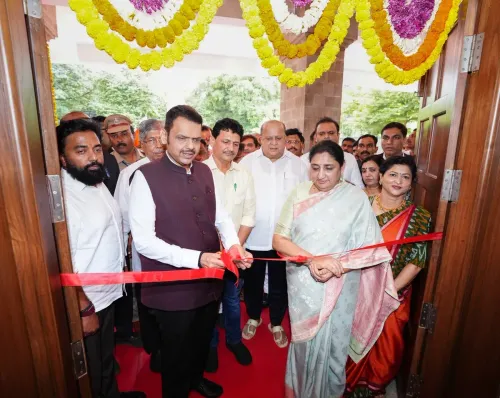
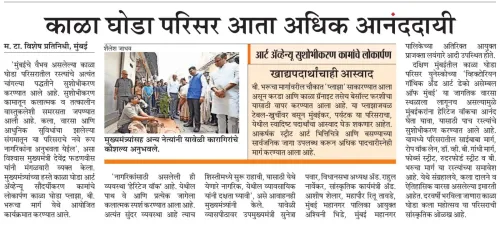
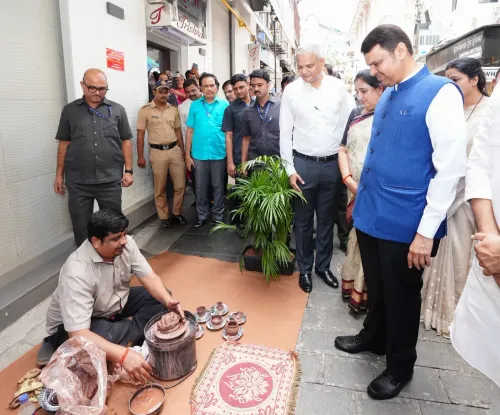
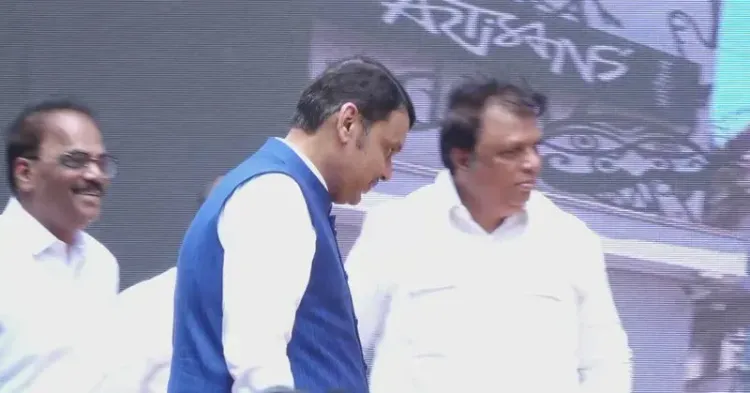
Chief Minister Devendra Fadnavis on 14 July 2026 inaugurated the beautification and illumination works at Kala Ghoda Art Avenue in South Mumbai, upgrading one of the city's most iconic heritage and cultural precincts.
Key Takeaways
Chief Minister Devendra Fadnavis personally inaugurated the beautification and illumination works at Kala Ghoda Art Avenue on 14 July 2026 .
The project covers aesthetic lighting and beautification of the Kala Ghoda heritage precinct in South Mumbai .
Kala Ghoda has been Mumbai's foremost public arts hub since the launch of its annual arts festival in 1999 .
Maharashtra governments have a long track record of periodic civic-beautification drives across South Mumbai's heritage zones.
The upgrade is expected to benefit local artists, galleries and cultural tourists by extending evening usability of the precinct.
Possible extension of similar works to the adjacent Fort and Colaba precincts is being watched by heritage and urban-planning observers.
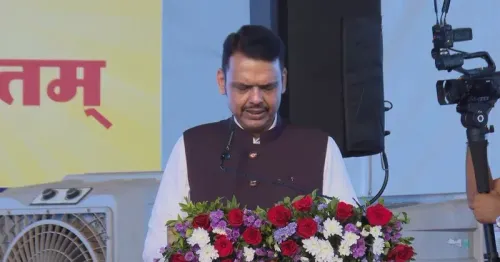
The Chief Minister's Office of Maharashtra announced on Tuesday, 14 July 2026, that Chief Minister Devendra Fadnavis inaugurated the beautification and illumination works of the 'Kala Ghoda Art Avenue' in South Mumbai, marking a significant civic upgrade to one of the city's most celebrated heritage precincts.
Context
The official post, shared live by the Chief Minister's Office, announced: 'मुख्यमंत्री देवेंद्र फडणवीस यांच्या हस्ते काळाघोडा आर्ट ॲव्हेन्यूच्या सौंदर्यीकरण व रोषणाई केलेल्या कामांचे लोकार्पण' — translated as 'Chief Minister Devendra Fadnavis inaugurates the beautification and illumination works of Kala Ghoda Art Avenue.' The event was streamed live, underlining the government's intent to present the project as a public milestone.
Kala Ghoda is a compact heritage district nestled between the Chhatrapati Shivaji Maharaj Vastu Sangrahalaya and the Jehangir Art Gallery in South Mumbai. Long regarded as the cultural nerve centre of the city, it draws artists, students, tourists and heritage enthusiasts throughout the year.
Policy Backdrop
The precinct's identity as Mumbai's foremost public arts hub was formally anchored when the Kala Ghoda Arts Festival was launched in 1999, transforming the area into an annual showcase of visual art, music, theatre and design. Since then, successive Maharashtra governments have periodically invested in lighting, paving and façade restoration across South Mumbai's heritage zones to improve the pedestrian experience and stimulate cultural tourism.
The current beautification and illumination drive fits within that recurring pattern of civic-upgrade initiatives targeting the Fort, Colaba and Kala Ghoda belt. Such projects are typically coordinated between the Brihanmumbai Municipal Corporation (BMC) and state agencies responsible for heritage conservation and urban design.
Stakeholders and Impact
The most immediate beneficiaries are local artists and galleries whose footfall and visibility are directly tied to the precinct's public appeal. Improved illumination is expected to extend usable evening hours for pedestrians and open-air cultural events, boosting the area's draw for domestic and international tourists alike.
Heritage conservationists and resident communities in South Mumbai have historically supported sensitive beautification efforts, provided they do not disrupt the architectural character of the Victorian-era streetscape. The project's emphasis on aesthetic lighting rather than heavy construction suggests alignment with those sensitivities.
What's Next
Observers will watch whether the Maharashtra government extends similar illumination and streetscape works to the adjacent Fort and Colaba precincts, which share the same heritage typology. Integration with upcoming Mumbai heritage conservation budgets could signal a broader, corridor-level approach to cultural tourism infrastructure in South Mumbai. Chief Minister Fadnavis's personal presence at the inauguration suggests the administration views urban cultural renewal as a visible governance priority ahead of future civic cycles.
Point of View
In scale, a civic beautification event signals that the Maharashtra government is framing cultural heritage as a frontline governance deliverable rather than a routine municipal matter. The Kala Ghoda precinct carries significant symbolic weight — it sits at the intersection of colonial-era architecture, contemporary art and high-footfall tourism — making it an effective backdrop for projecting an image of an aesthetically aware, urban-renewal-focused administration. This move continues a pattern seen across Indian state governments of using heritage-district upgrades to generate visible, photogenic governance moments that resonate with urban middle-class voters. The real test will be whether the illumination and beautification are followed by sustained maintenance commitments and a broader corridor strategy for the Fort-Colaba-Kala Ghoda belt.
NationPress
12 Oct 2026
Frequently Asked Questions
What is the Kala Ghoda Art Avenue beautification project?
The Kala Ghoda Art Avenue beautification project involves aesthetic improvements and new illumination works in the Kala Ghoda heritage precinct of South Mumbai, inaugurated by Chief Minister Devendra Fadnavis on 14 July 2026.
Who inaugurated the Kala Ghoda Art Avenue beautification?
Chief Minister Devendra Fadnavis inaugurated the beautification and illumination works at Kala Ghoda Art Avenue on 14 July 2026, as announced by the Chief Minister's Office of Maharashtra.
Where is Kala Ghoda located?
Kala Ghoda is a heritage art precinct in South Mumbai, situated near the Chhatrapati Shivaji Maharaj Vastu Sangrahalaya and the Jehangir Art Gallery.
What is the significance of Kala Ghoda in Mumbai?
Kala Ghoda is Mumbai's foremost public arts hub, home to galleries, museums and the annual Kala Ghoda Arts Festival launched in 1999, which draws artists, tourists and culture enthusiasts from across India and abroad.
Will similar beautification projects come to other parts of South Mumbai?
Observers expect the Maharashtra government may extend similar illumination and streetscape upgrades to the adjacent Fort and Colaba precincts, potentially as part of a broader Mumbai heritage conservation initiative.