BEST overhaul: Fadnavis orders PPP depot plan, 22-year financial roadmap for Mumbai
Synopsis
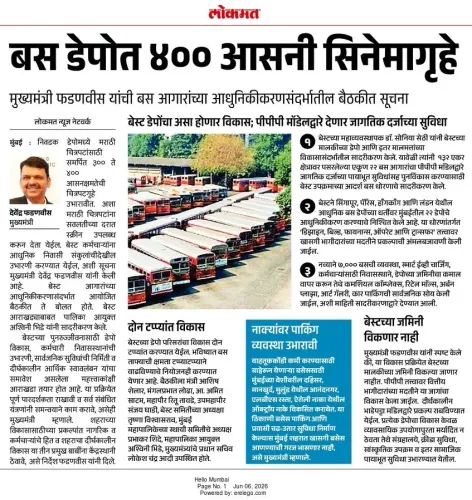
Maharashtra CM Devendra Fadnavis has drawn the most ambitious roadmap for BEST in years — a 22-year economic plan, PPP-based depot development with no land sale, mini-theatres for Marathi cinema, and five octroi plazas turned into multi-modal hubs. If delivered, it could fundamentally transform how Mumbai moves.
Key Takeaways
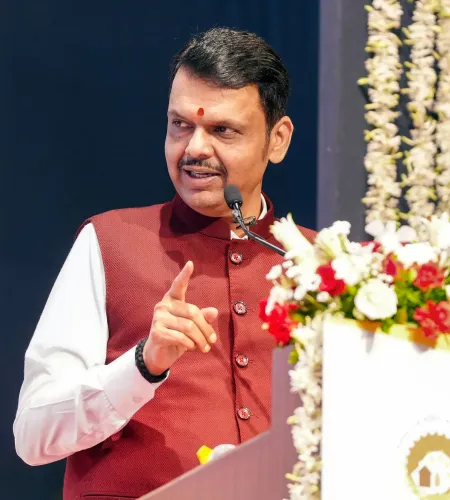
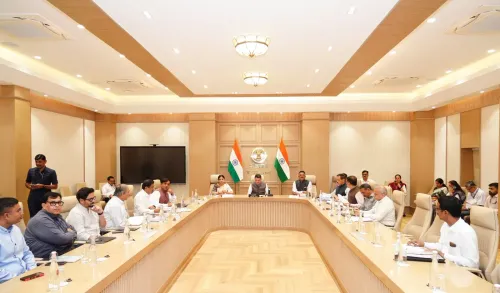
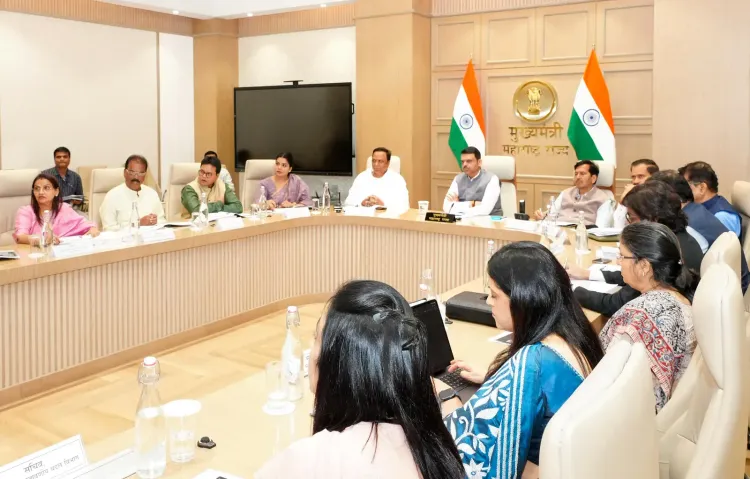
Maharashtra CM Devendra Fadnavis chaired a high-level review meeting on 5 June to chart a comprehensive revival plan for BEST .
BEST-owned land will not be sold ; depots will be developed via a PPP model under a long-term lease, with ownership remaining with BEST.
A 22-year long-term economic plan covering fleet, manpower, revenue, and expenditure has been mandated, aligned with Viksit Bharat 2047 .
Depot development will include museums, sports facilities, cultural centres, and mini-theatres (300–400 seats) for Marathi cinema.
Erstwhile octroi plazas at Dahisar, Mankhurd, Anand Nagar (Mulund), LBS Road, and Airoli Naka will be converted into multi-modal transport hubs.
All project approvals and permits must be completed in the preparatory phase to avoid bureaucratic delays.
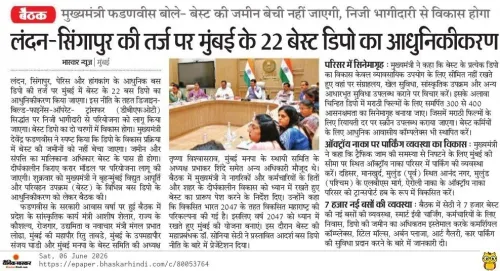
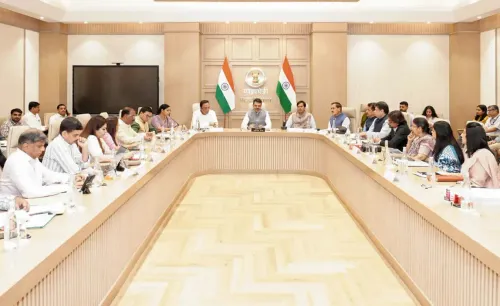
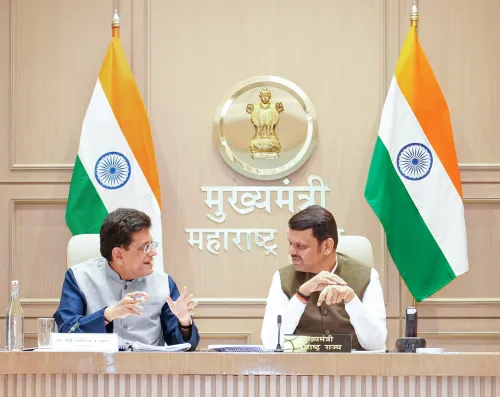
Maharashtra Chief Minister Devendra Fadnavis on Friday, 5 June chaired a high-level review meeting in Mumbai and directed authorities to draft a comprehensive revival blueprint for the Brihanmumbai Electric Supply and Transport (BEST) undertaking, anchored on depot development, staff housing, public amenities, and long-term financial self-sustainability. The directives mark the most structured policy intervention in BEST's recent history, covering everything from a 22-year economic roadmap to the conversion of defunct octroi plazas into multi-modal transport hubs.
Core Pillars of the Revival Plan
Fadnavis laid down three non-negotiable priorities for the BEST blueprint: the welfare of Mumbai's citizens, the well-being of BEST employees, and the long-term development of the city. He stressed that BEST's revival is not the responsibility of any single agency. 'The operation of BEST is not the responsibility of a single organisation, but a collective responsibility of Mumbai City, the Municipal Corporation, and the state government,' he said, calling for continuous dialogue among all government and non-government stakeholders.
The Chief Minister also mandated absolute transparency across all concerned agencies and ordered that project execution rights be awarded only to institutions with demonstrably high financial and technical capabilities.
PPP Model: No Land Sale, Long-Term Lease
In a significant policy clarification, Fadnavis explicitly ruled out any sale of BEST-owned land. 'Instead, spaces will be developed using a Public-Private Partnership (PPP) model with financial partners. The ownership of the land and assets will strictly remain with BEST under a long-term lease model,' he stated. Depot modernisation will proceed in two phases, alongside a phased expansion of the bus fleet.
Notably, the monetisation plan goes beyond commercial use. Fadnavis directed that depots integrate museums, sports facilities, cultural centres, and social infrastructure. He also floated the concept of dedicated mini-theatres with a 300 to 400-seat capacity within select depots to screen Marathi cinema at subsidised rates — a move that blends urban infrastructure with cultural outreach.
Employee Housing and the 22-Year Economic Plan
High-quality, modern residential complexes are to be constructed to improve the living standards of BEST employees, the Chief Minister directed. Aligning the exercise with the national vision of 'Viksit Bharat 2047' and 'Viksit Maharashtra', Fadnavis instructed officials to draft a 22-year long-term economic plan for BEST that comprehensively evaluates future bus fleet requirements, manpower needs, revenue generation, and expenditure control.
To prevent bureaucratic delays — a chronic bottleneck in Mumbai's infrastructure projects — he ordered that all project approvals, permits, and administrative planning be completed during the preparatory phase itself.
Multi-Modal Hubs at City Entry Points
Addressing Mumbai's worsening traffic congestion, Fadnavis directed the transformation of erstwhile octroi plazas at the city's entry points into multi-modal transport hubs. The targeted locations are Dahisar, Mankhurd, Anand Nagar (Mulund), LBS Road, and Airoli Naka. These hubs will be equipped with parking lots and passenger boarding and alighting facilities for external private buses.
'By setting up these facilities at the borders, private tourist buses will not need to enter the city, significantly easing Mumbai's traffic congestion,' Fadnavis said. He also directed separate coordinated discussions with the Maharashtra State Road Transport Corporation (MSRTC) to align intercity government bus operations with the new hub model.
What Happens Next
The Chief Minister concluded the meeting by demanding a strict, time-bound programme from all departments to ensure the project moves from blueprint to implementation at maximum speed. With a 22-year financial roadmap, phased depot modernisation, and multi-modal hub development on the agenda, BEST's revival — if executed as directed — could reshape urban mobility and public infrastructure across Mumbai over the next two decades.
Point of View
Propped up by periodic municipal bailouts while its fleet shrank and ridership drifted to app-based alternatives. Fadnavis's 22-year roadmap is the right framing — urban transport cannot be fixed in one budget cycle — but the PPP-plus-long-term-lease model has a mixed record in Indian cities, where private partners have walked away when commercial returns disappointed. The mini-theatre and cultural-centre additions are imaginative, but they risk becoming the headline while the harder work of fleet expansion and fare rationalisation gets deferred. The real test is whether the time-bound programme he demanded survives the next election cycle.
NationPress
21 Oct 2026
Frequently Asked Questions
What is the BEST revival plan announced by CM Fadnavis?
Maharashtra Chief Minister Devendra Fadnavis on 5 June directed authorities to prepare a comprehensive blueprint for the revival of BEST, covering depot development on a PPP model, staff housing, public amenities, and a 22-year long-term economic plan. The plan rules out any sale of BEST-owned land, with assets to remain under BEST through a long-term lease.
Will BEST land be sold under the new plan?
No. Fadnavis explicitly clarified that BEST-owned land will not be sold. Instead, depots will be developed through a Public-Private Partnership model with financial partners, while ownership of land and assets remains strictly with BEST under a long-term lease arrangement.
What are the multi-modal transport hubs planned for Mumbai?
Fadnavis directed the conversion of defunct octroi plazas at Dahisar, Mankhurd, Anand Nagar (Mulund), LBS Road, and Airoli Naka into multi-modal transport hubs with parking and passenger facilities. The aim is to prevent private tourist buses from entering the city, thereby reducing traffic congestion on Mumbai's internal roads.
What social infrastructure will be built at BEST depots?
Beyond commercial use, BEST depots are planned to house museums, sports facilities, cultural centres, and mini-theatres with 300 to 400-seat capacities to screen Marathi cinema at subsidised rates. Modern residential complexes for BEST employees are also part of the plan.
What is the 22-year economic plan for BEST?
The 22-year long-term economic plan, aligned with Viksit Bharat 2047 and Viksit Maharashtra, will evaluate future bus fleet requirements, manpower needs, revenue generation strategies, and expenditure control. Fadnavis mandated that only institutions with high financial and technical capabilities be awarded project execution rights.