MSRTC depot redevelopment: Fadnavis orders PPP push, 49+49-year lease model
Synopsis
Facing years of financial strain, MSRTC is set for a structural overhaul. CM Fadnavis has ordered depot-by-depot development blueprints, a Cabinet-bound PPP policy, escrow-ring-fenced revenues, and Metro-linked multimodal hubs — signalling a shift from bailouts to asset monetisation as the corporation's long-term fix.
Key Takeaways
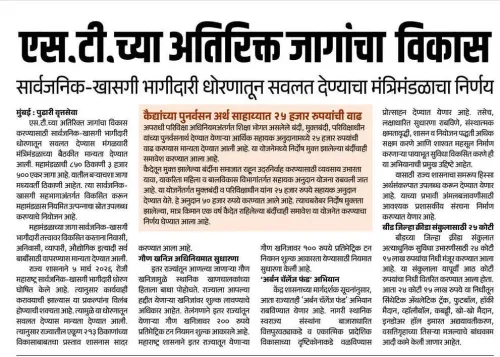
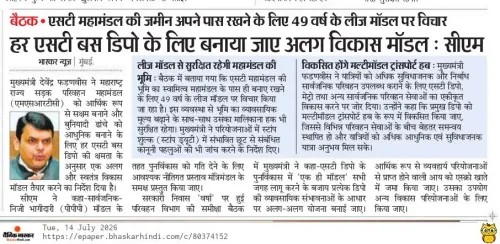
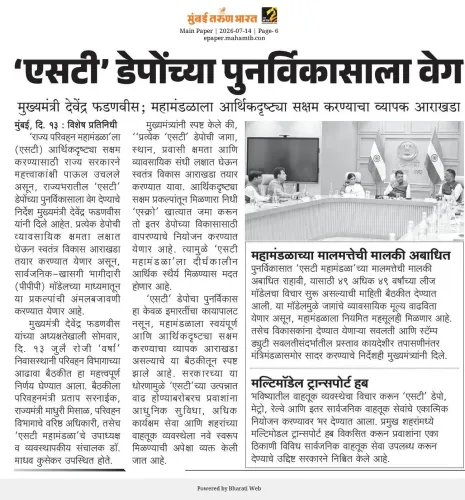
CM Devendra Fadnavis chaired a high-level Transport Department review at 'Varsha' on 13 July , directing customised redevelopment plans for every MSRTC bus depot.
A PPP policy proposal detailing developer incentives is to be urgently submitted to the Cabinet for approval.
A '49 + 49 years' lease model is under consideration to enable long-term commercial use while keeping depot land with the MSRTC.
Revenues from viable projects will flow into an escrow account to exclusively fund other redevelopment work.
Stamp duty exemptions for developers are being legally examined to attract premium interest.
Multimodal Transport Hubs integrating ST depots with the Metro network are planned to improve the commuter experience statewide.
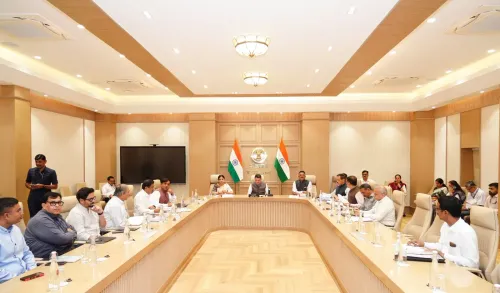
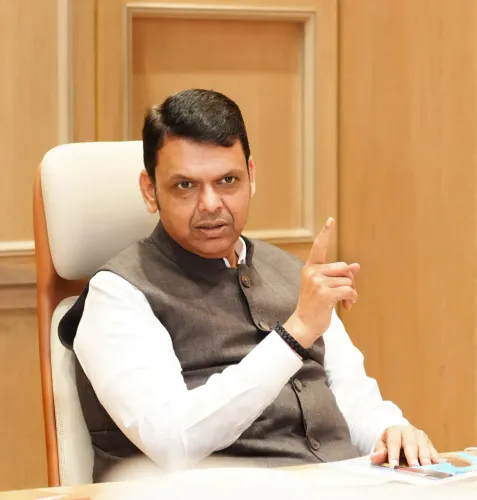
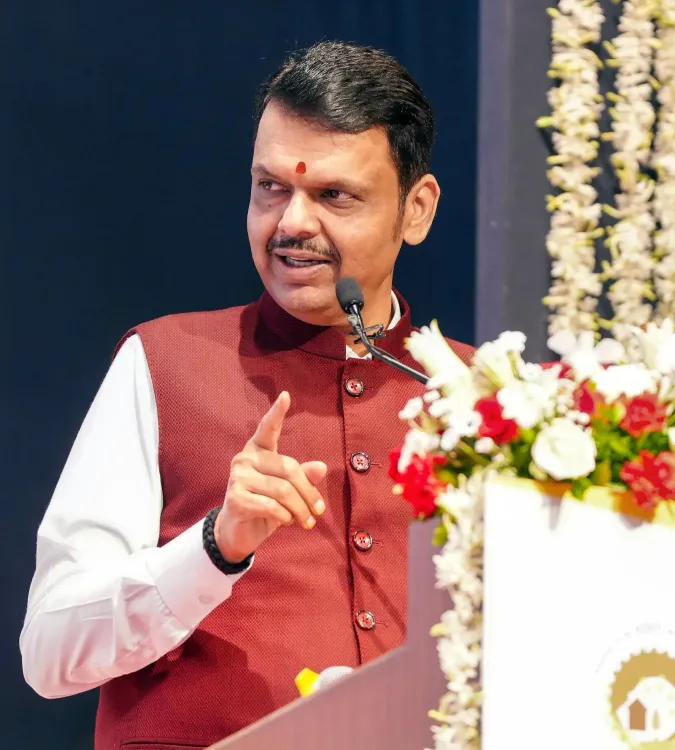
Maharashtra Chief Minister Devendra Fadnavis on Monday, 13 July directed officials to draw up tailored redevelopment plans for each Maharashtra State Road Transport Corporation (MSRTC) bus depot across the state, with the twin goals of making the cash-strapped corporation financially self-reliant and upgrading the public transit experience. The directives were issued at a high-level review meeting of the Transport Department, chaired by Fadnavis at his official residence, 'Varsha', in Mumbai.
Customised Plans for Each Depot
Fadnavis was categorical that a one-size-fits-all approach would not work. He instructed officials to draft a distinct development blueprint for every ST bus depot, factoring in its individual capacity and commercial potential. Depots with higher footfall and better connectivity are expected to attract premium developers, while smaller or less viable ones will be assessed separately.
To ring-fence public money, revenues generated from financially viable projects will be routed into an escrow account, ensuring those funds are deployed exclusively toward financing other redevelopment projects within the MSRTC network.
PPP Policy to Go Before Cabinet
The Chief Minister directed the department to urgently prepare a comprehensive strategic policy proposal for the Public-Private Partnership (PPP) model and table it before the Cabinet for formal approval. The proposal is expected to detail the incentive structure that will be offered to private developers who participate in the redevelopment programme.
To safeguard public assets, the government is weighing a '49 + 49 years' lease framework — a structure that allows long-term commercial development while ensuring the underlying land remains permanently owned by the MSRTC. Fadnavis noted that this model maximises the long-term commercial value of depots without alienating state property.
Stamp Duty Exemptions Under Examination
Fadnavis also asked officials to examine the legal dimensions of offering stamp duty exemptions on these projects. Such concessions are seen as a key lever to draw premium developers, particularly for high-value depot locations in urban centres. A formal position on this is expected to be incorporated into the Cabinet note.
Multimodal Transport Hubs on the Agenda
Beyond revenue generation, the Chief Minister directed integrated planning to ensure passengers face no disruption to public transit during or after redevelopment. He called for the creation of Multimodal Transport Hubs by interconnecting ST bus depots with the Metro network and other public transportation systems — a move that could significantly transform the commuter experience in cities like Mumbai, Pune, and Nagpur.
This comes amid sustained financial pressure on the MSRTC, which has struggled with mounting losses and ageing infrastructure for years. The PPP-driven depot redevelopment is being positioned as a structural revenue fix rather than a one-off bailout. How quickly the Cabinet clears the policy proposal — and whether developers respond to the incentive framework — will determine whether this initiative moves from the drawing board to the ground.
Point of View
Not cyclical — and Fadnavis appears to know it. Routing depot revenues through escrow and tying them to further development is a smarter design than previous ad hoc grants, but the devil is in Cabinet speed and developer appetite. The '49 + 49 years' lease model is a politically safe framing, yet it will only attract serious private capital if the incentive package — particularly stamp duty relief — is genuinely competitive. Maharashtra has announced transit-integrated redevelopment before; what separates this from prior announcements is whether the PPP policy note reaches Cabinet before the momentum dissipates.
NationPress
12 Oct 2026
Frequently Asked Questions
What did CM Fadnavis direct regarding MSRTC bus depots?
CM Devendra Fadnavis directed officials on 13 July to prepare customised redevelopment plans for each MSRTC bus depot based on its individual commercial potential, rather than applying a uniform template. He also ordered an urgent Cabinet note on a PPP policy to fast-track the redevelopment.
What is the '49 + 49 years' lease model being considered for MSRTC depots?
The '49 + 49 years' lease model would allow private developers to commercially develop and operate MSRTC depot land for up to 49 years, with a potential renewal for another 49 years, while the land remains permanently owned by the MSRTC. The structure is designed to attract long-term investment without alienating public assets.
How will revenues from the depot redevelopment be managed?
Revenues from financially viable depot projects will be deposited into a dedicated escrow account, ensuring the funds are used exclusively to finance redevelopment of other MSRTC depots rather than being absorbed into general expenditure.
What are Multimodal Transport Hubs and why are they planned?
Multimodal Transport Hubs are integrated transit nodes that connect ST bus depots with the Metro network and other public transport systems. Fadnavis directed their development to provide passengers with seamless connectivity and to transform the commuter experience across Maharashtra.
Why is MSRTC pursuing this redevelopment now?
The MSRTC has faced sustained financial losses and ageing infrastructure for years. The PPP-driven depot redevelopment is intended to generate long-term commercial revenue, making the corporation financially self-reliant rather than dependent on periodic government bailouts.