CM Fadnavis Directs MSRTC to Build EV Charging Network
Synopsis
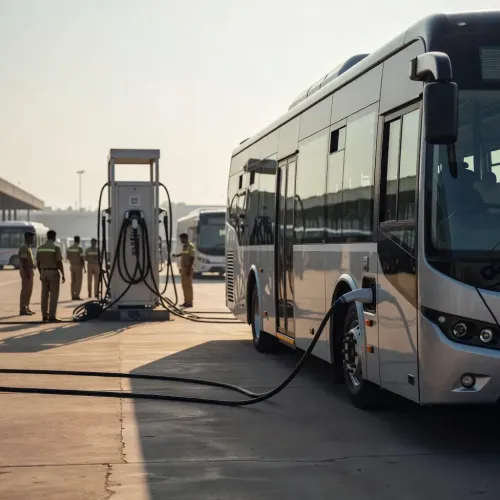
Chief Minister Devendra Fadnavis has directed MSRTC to lay a comprehensive network of EV charging stations for its electric bus fleet, pushing Maharashtra's public transport electrification drive into a new phase of infrastructure buildout.
Key Takeaways
CM Devendra Fadnavis has directed MSRTC to build a wide network of charging stations for its electric bus fleet.
The directive was shared via the official Chief Minister's Office of Maharashtra X account on 2 June 2026 .
MSRTC has been inducting electric buses under the FAME-II central government scheme since 2020 .
Charging infrastructure gaps along highway corridors and at depots remain the primary bottleneck for intercity e-bus operations.
Maharashtra's EV Policy 2018 laid the groundwork for public transport electrification, with FAME-II providing subsidy support.
Private EV infrastructure firms and public-private partnership players are expected to be key to executing the charging network rollout.
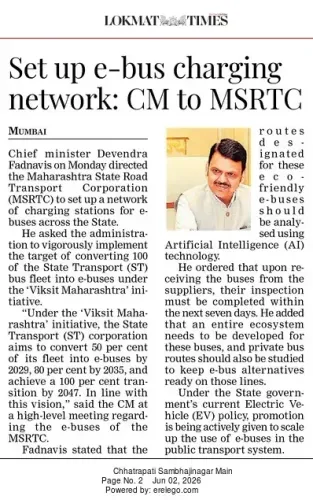
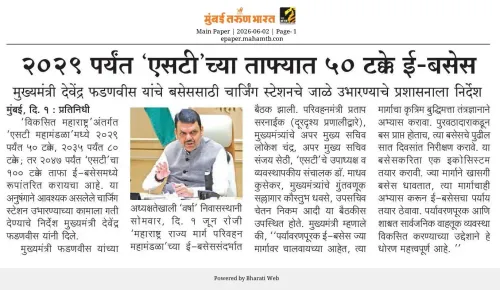
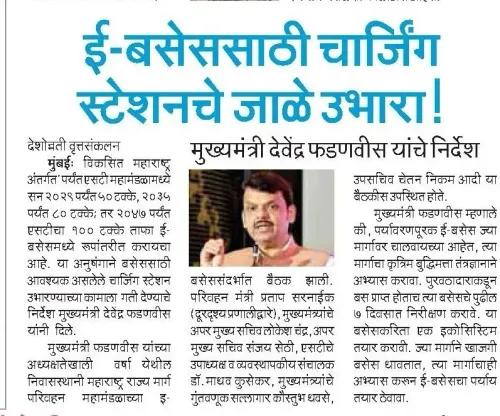
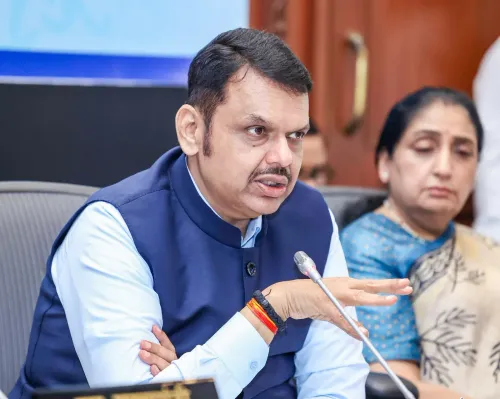
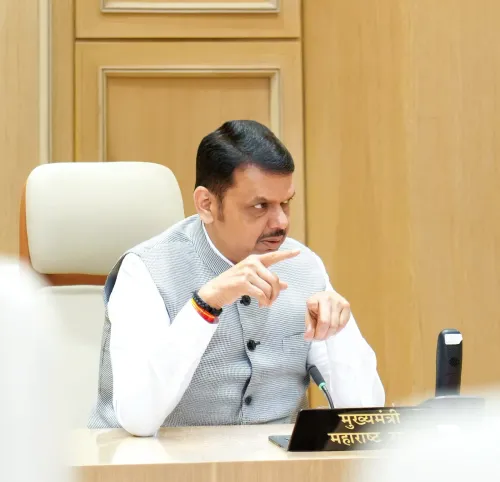
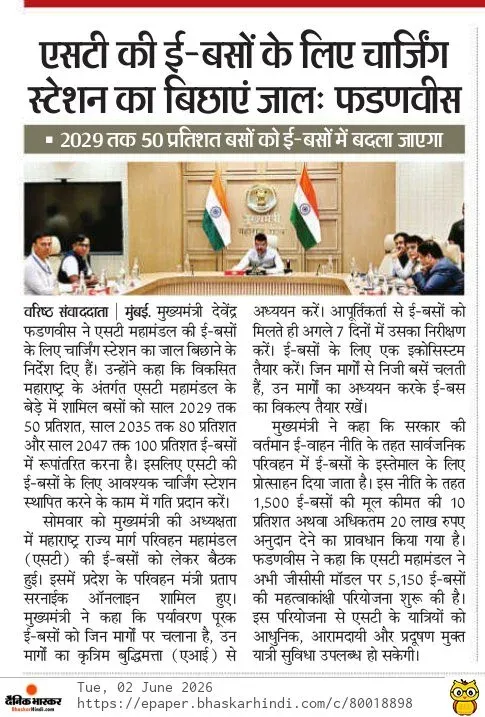
The Chief Minister's Office of Maharashtra on Tuesday, 2 June 2026 shared a directive from Chief Minister Devendra Fadnavis calling on MSRTC to build a wide network of charging stations for the corporation's electric bus fleet across the state.
Context
The post, shared from the official CMO Maharashtra account, carries the headline: 'ST ki e-busoN ke liye charging station ka bichhaaen jaal' — translated as 'Lay a network of charging stations for ST's electric buses.' The directive is attributed directly to Chief Minister Devendra Fadnavis, signalling a push to accelerate EV infrastructure for the state transport fleet.
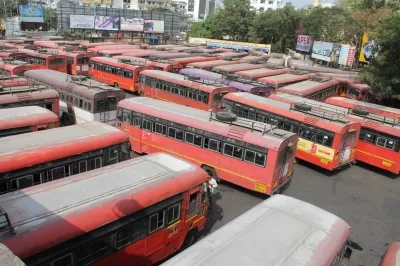
MSRTC, the Maharashtra State Road Transport Corporation, operates one of the largest state-run bus networks in India, covering intercity and rural routes across Maharashtra. The corporation has been inducting electric buses into its fleet in phases, but the absence of adequate charging infrastructure along highway corridors and at depots has remained a persistent operational bottleneck.
Policy Backdrop
Maharashtra's EV Policy of 2018 set out targets for electric vehicle adoption, with specific provisions for public transport fleets. MSRTC began procuring electric buses under the Central government's FAME-II scheme — launched in 2019 — which provided subsidies for both electric buses and associated charging infrastructure.
The FAME-II framework was designed to reduce the financial burden on state transport corporations transitioning away from diesel fleets. Despite this support, the rollout of charging stations, particularly for intercity operations, has lagged behind bus procurement in several states, including Maharashtra.
Stakeholders and Impact
MSRTC commuters — especially those on rural and semi-urban routes — stand to benefit most from a reliable e-bus network, which promises lower fares over time as operational costs fall compared to diesel buses. Transport staff at MSRTC depots will also need to be trained for EV maintenance and charging operations.
Private EV infrastructure firms and public-private partnership players are likely to watch this directive closely, as large-scale charging network tenders from a state of Maharashtra's size represent significant commercial opportunity. The initiative also aligns with India's broader national emission reduction commitments and clean mobility targets.
What's Next
The immediate focus will be on whether the CMO's directive translates into formal tenders for highway corridor and depot-level charging stations. Integration with Maharashtra's renewable energy targets — particularly solar-powered charging — is a dimension analysts will watch as the policy moves from announcement to execution.
Similar charging network buildouts in states like Karnataka and Tamil Nadu offer a template, though Maharashtra's geographic scale and the sheer size of the MSRTC network make this a more complex undertaking. The pace of tendering and the involvement of private partners will be key indicators of how seriously this directive is followed through.
Point of View
The government is creating visible political accountability for a rollout that has historically moved slowly. This fits into a broader national pattern where state governments are under pressure to show tangible clean-mobility progress ahead of urban local body elections and national climate reporting cycles. The real test will be whether formal tenders follow within weeks or the directive remains an aspirational signal.
NationPress
17 Oct 2026
Frequently Asked Questions
What did CM Devendra Fadnavis say about MSRTC electric buses?
CM Devendra Fadnavis directed MSRTC to build a wide network of charging stations for its electric bus fleet, as shared by the Chief Minister's Office of Maharashtra on 2 June 2026.
What is MSRTC and why does it need EV charging stations?
MSRTC, the Maharashtra State Road Transport Corporation, operates intercity and rural bus services across Maharashtra. As it inducting electric buses, it requires a network of charging stations at depots and along highway corridors to keep the fleet operational.
What is the FAME-II scheme and how does it help MSRTC?
FAME-II is a Central government scheme launched in 2019 that provides subsidies for electric buses and charging infrastructure, helping state transport corporations like MSRTC reduce the cost of transitioning away from diesel fleets.
What is Maharashtra's EV policy for public transport?
Maharashtra's EV Policy of 2018 set targets for electric vehicle adoption, including incentives for public transport fleets. MSRTC began phased electric bus procurement under this framework from 2020 onwards with FAME-II support.
Which other Indian states have built EV charging networks for state buses?
States like Karnataka and Tamil Nadu have undertaken similar charging network buildouts for their state transport corporations, offering a template that Maharashtra is now looking to follow at its own scale.