CM Fadnavis directs MSRTC to set up e-bus charging network
Synopsis
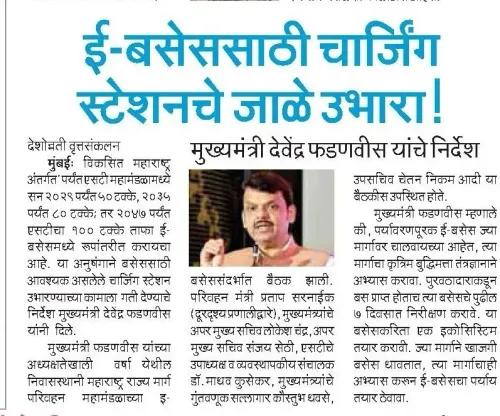
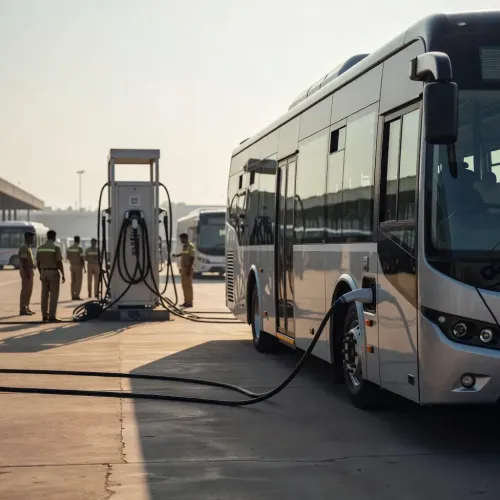
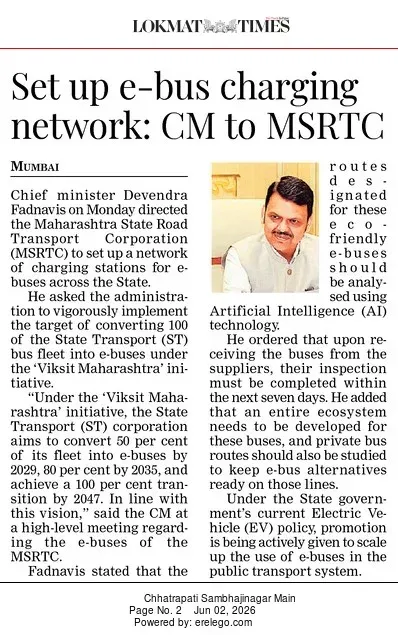
Chief Minister Devendra Fadnavis has directed MSRTC to set up a dedicated electric-bus charging network in Maharashtra, advancing the state's push to electrify public transport and reduce diesel dependency across its vast bus operations.
Key Takeaways
CM Devendra Fadnavis issued a directive to MSRTC on 2 June 2026 to establish an e-bus charging network.
MSRTC is one of India's largest state road transport bodies, serving millions of commuters across Maharashtra .
The move builds on the Maharashtra EV Policy 2018 and aligns with the national FAME scheme for electric vehicle adoption.
A functional charging network is a prerequisite for large-scale e-bus deployment, making this directive a foundational infrastructure step.
Tenders for charging stations and phased e-bus procurement targets are the key milestones to watch.
The transition is expected to lower MSRTC's operating costs over time and benefit millions of daily passengers.
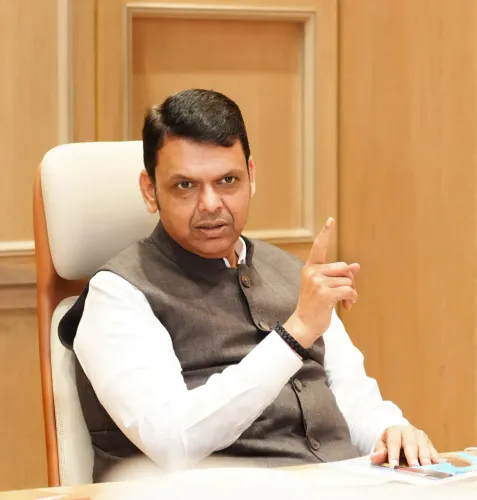
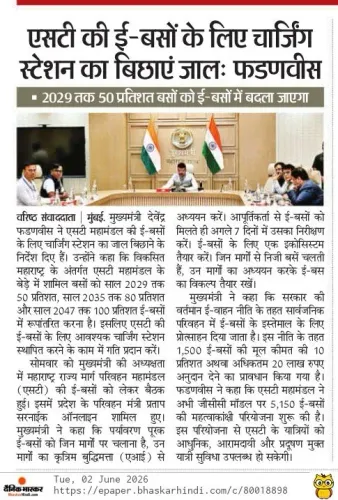
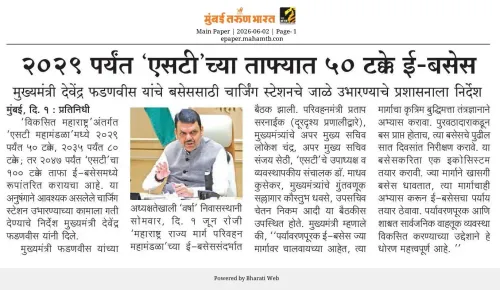
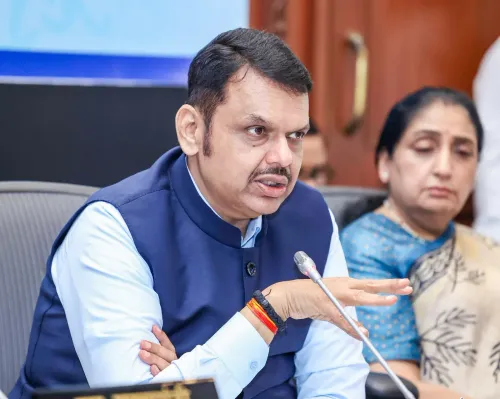
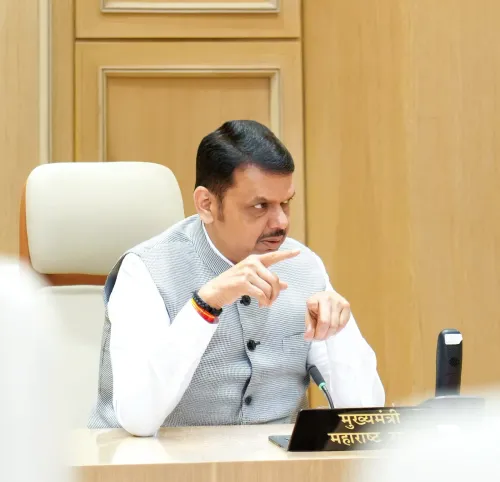
The Chief Minister's Office of Maharashtra announced on Tuesday, 2 June 2026 that Chief Minister Devendra Fadnavis has directed the Maharashtra State Road Transport Corporation (MSRTC) to establish a dedicated electric-bus charging network across the state, signalling a major push to electrify Maharashtra's public bus fleet.
Context
The directive, shared by the Chief Minister's Office on X, instructs MSRTC — the state-owned operator that runs thousands of buses connecting urban centres and rural districts — to build the charging infrastructure required to support an expanded fleet of electric buses. The instruction marks a formal government push beyond fleet procurement to the foundational infrastructure that makes e-bus operations viable at scale.
MSRTC is one of the largest state road transport bodies in India, operating routes across Maharashtra's cities, towns, and villages. Any shift in its energy model has direct consequences for millions of daily commuters.
Policy Backdrop
Maharashtra has been building its electric-vehicle policy architecture since the Maharashtra EV Policy of 2018, which offered incentives for electric vehicle adoption including in public transport. The current directive aligns with that framework while responding to a broader national pattern in which state transport corporations are being pressed to reduce diesel dependency.
Several Indian states have moved to expand e-bus fleets and supporting infrastructure under the central government's FAME (Faster Adoption and Manufacturing of Electric Vehicles) scheme and parallel state-level policies. CM Fadnavis's instruction to MSRTC places Maharashtra within this national trajectory, with the charging network directive representing the infrastructure layer that must precede or accompany large-scale bus electrification.
Stakeholders and Impact
The primary beneficiaries of a successful e-bus charging rollout would be the millions of passengers who rely on MSRTC services daily, particularly in semi-urban and rural corridors where the corporation is often the only affordable public transport option. Reduced diesel consumption would also lower operating costs over time, potentially easing the financial pressure on the cash-strapped corporation.
For MSRTC workers and depot staff, the transition implies retraining requirements and infrastructure upgrades at existing bus depots. Private charging-infrastructure companies and electric-bus manufacturers stand to benefit from the tenders and procurement cycles that such a directive is expected to trigger.
What's Next
The immediate next steps to watch are the issuance of tenders for charging stations at MSRTC depots and major interchange points, as well as the announcement of phased e-bus procurement targets. How quickly MSRTC translates the Chief Minister's directive into operational timelines and budget allocations will determine whether this marks a genuine inflection point or a longer-horizon ambition. Maharashtra's progress is likely to be watched by other state transport bodies calibrating their own electrification roadmaps.
Point of View
Which also carries political utility in projecting a modernisation agenda. The real test will be execution speed: MSRTC's financial constraints and depot-upgrade timelines have historically lagged behind the ambition of such directives.
NationPress
17 Oct 2026
Frequently Asked Questions
What has CM Devendra Fadnavis directed MSRTC to do?
CM Devendra Fadnavis has directed MSRTC to set up a dedicated electric-bus charging network across Maharashtra to support the expansion of the state's public e-bus fleet.
What is MSRTC and why does this matter?
MSRTC, the Maharashtra State Road Transport Corporation, is the state-owned operator running bus services across Maharashtra's cities, towns, and villages, serving millions of passengers daily. Electrifying its fleet would significantly cut diesel consumption and operating costs.
What is the Maharashtra EV Policy?
The Maharashtra EV Policy, introduced in 2018, provides incentives for electric vehicle adoption across sectors including public transport, forming the policy foundation for initiatives like the current e-bus charging directive.
What is the FAME scheme and how does it relate to this directive?
The FAME (Faster Adoption and Manufacturing of Electric Vehicles) scheme is a central government initiative that funds e-bus procurement and charging infrastructure for state transport bodies. Maharashtra's directive aligns with FAME's goals of reducing diesel dependency in public transport.
What are the next steps after Fadnavis's MSRTC e-bus directive?
The key next steps are the issuance of tenders for charging stations at MSRTC depots and major bus interchanges, followed by phased e-bus procurement targets and depot infrastructure upgrades.