CM Fadnavis Chairs MSRTC E-Bus Meeting at Varsha
Synopsis
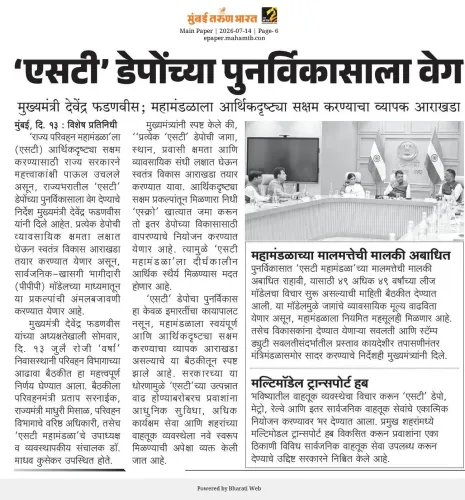
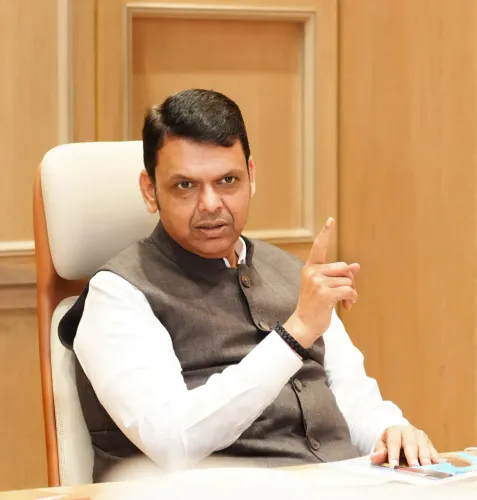
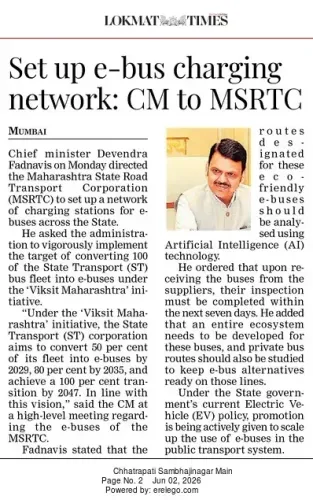
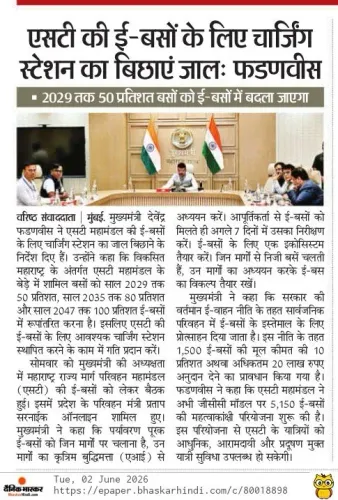
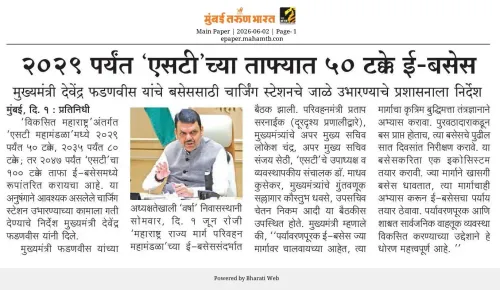
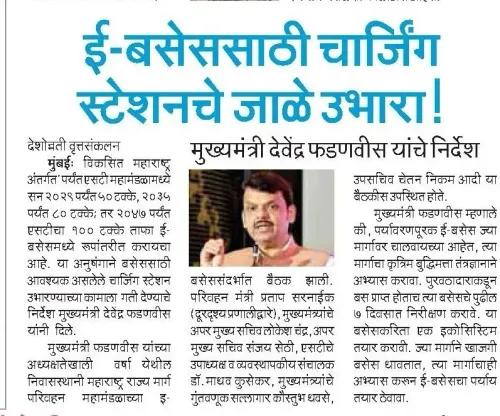
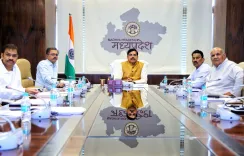
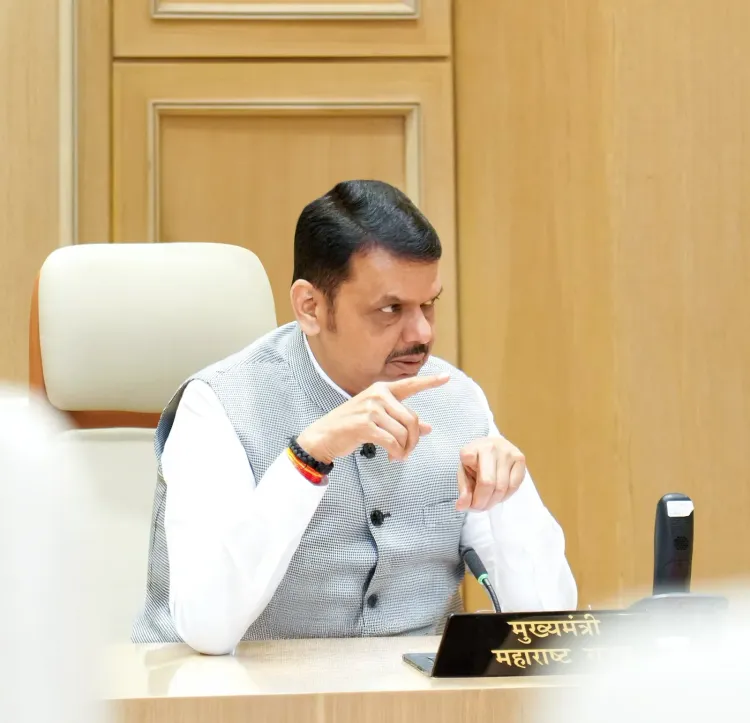
Chief Minister Devendra Fadnavis chaired a meeting on MSRTC's electric bus fleet at Varsha Bungalow, Mumbai, on 1 June 2026. Minister Pratap Sarnaik and senior officials attended. The meeting signals Maharashtra's continued push to electrify its state-run bus network in line with India's national electric mobility agenda.
Key Takeaways
CM Devendra Fadnavis chaired a meeting on MSRTC e-buses at Varsha Bungalow, Mumbai on 1 June 2026 at 12:05 pm .
Minister Pratap Sarnaik and senior government officials were present at the meeting.
The announcement was made in three languages — English, Marathi, and Hindi — by the Chief Minister's Office.
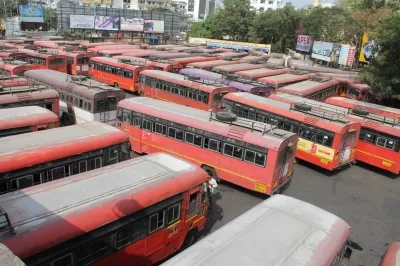
MSRTC operates one of India's largest public bus networks, serving millions of commuters across Maharashtra.
Maharashtra's e-bus push aligns with India's national FAME scheme and mirrors fleet electrification efforts in Delhi, Karnataka, and other states.
Key outcomes to watch include procurement tenders, charging infrastructure plans, and phased rollout timelines for the e-bus fleet.
The Chief Minister's Office of Maharashtra announced on Monday, 1 June 2026, that Chief Minister Devendra Fadnavis chaired a high-level meeting at Varsha Bungalow, Mumbai, focused on the electric bus fleet of the Maharashtra State Road Transport Corporation (MSRTC). Minister Pratap Sarnaik and senior government officials were present at the 12:05 pm meeting.
Context
The Chief Minister's Office posted the update in English, Marathi, and Hindi, signalling the administration's intent to communicate the development to a wide cross-section of Maharashtra's population. The post, timestamped 1 June 2026, confirmed the meeting was held at Varsha Bungalow, the official residence of the Chief Minister in Mumbai. The trilingual announcement underscores the political weight the Fadnavis government is placing on the MSRTC e-bus initiative.
Policy Backdrop
MSRTC is the state-owned corporation responsible for public bus services across Maharashtra, operating one of the largest bus networks in India. The push to electrify its fleet aligns with India's national electric mobility agenda, which gained formal momentum with the central government's FAME (Faster Adoption and Manufacturing of Electric Vehicles) scheme, launched in 2015. Multiple states — including Delhi and Karnataka — have pursued similar fleet modernisation programmes to reduce urban air pollution and dependence on fossil fuels.
Maharashtra's electrification drive for MSRTC forms part of a broader pattern of state transport corporations transitioning away from diesel-powered buses. The initiative carries implications for procurement policy, charging infrastructure development, and the operational economics of one of the state's most critical public utilities.
Stakeholders and Impact
MSRTC serves millions of daily commuters across urban and rural Maharashtra, making any shift in its fleet composition a matter of direct public interest. Urban commuters stand to benefit from reduced emissions and potentially quieter, smoother rides, while MSRTC operators and drivers would need to adapt to new vehicle technology and maintenance protocols. The presence of Minister Pratap Sarnaik, a Maharashtra cabinet minister with a portfolio touching state transport matters, signals that the deliberations carry ministerial-level political accountability.
For the state exchequer, e-bus procurement and the buildout of charging infrastructure represent significant capital expenditure, though lower long-term fuel costs are a cited advantage of electrification. The outcome of such meetings typically shapes the terms of procurement tenders and phased rollout timelines.
What's Next
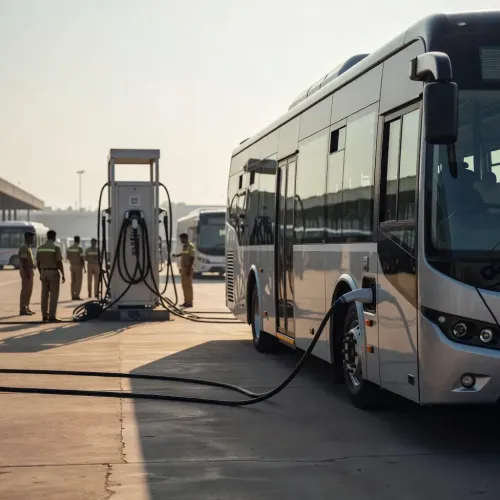
Observers will watch for formal announcements on MSRTC e-bus procurement tenders, the scale of the intended fleet addition, and plans for charging infrastructure at depots across the state. Any policy decisions or targets emerging from the 1 June 2026 meeting are expected to feed into MSRTC's operational and capital planning for the coming fiscal cycle. The Fadnavis government's ability to translate high-level meetings into concrete procurement and deployment milestones will be the key measure of progress on this initiative.
Point of View
Burdened by financial stress and labour disputes, and its electrification offers the administration a narrative of modernisation. The inclusion of Minister Pratap Sarnaik signals that political ownership of the initiative is being clearly assigned. How quickly the meeting translates into tenders and on-road deployments will determine whether this is substantive policy momentum or optics-driven signalling.
NationPress
15 Oct 2026
Frequently Asked Questions
What was the MSRTC e-bus meeting chaired by CM Fadnavis about?
Chief Minister Devendra Fadnavis chaired a meeting on 1 June 2026 at Varsha Bungalow, Mumbai, to discuss the electric bus fleet of the Maharashtra State Road Transport Corporation (MSRTC). Minister Pratap Sarnaik and senior officials were present.
What is MSRTC and why does it matter?
MSRTC, or the Maharashtra State Road Transport Corporation, is the state-owned public bus operator serving millions of commuters across Maharashtra. It is one of the largest bus networks in India and a critical piece of the state's public transport infrastructure.
What is the FAME scheme and how does it relate to MSRTC e-buses?
The FAME (Faster Adoption and Manufacturing of Electric Vehicles) scheme was launched by the Government of India in 2015 to promote electric vehicles, including buses, in state-run fleets. Maharashtra's MSRTC electrification drive is aligned with the goals of this national policy.
Where is Varsha Bungalow and why are meetings held there?
Varsha Bungalow in Mumbai is the official residence of the Chief Minister of Maharashtra. High-level government meetings and policy discussions are routinely held at this official residence.
Which other states have electrified their public bus fleets in India?
Delhi and Karnataka are among the states that have pursued fleet electrification programmes for their state transport corporations, part of a broader national trend to reduce urban air pollution and fossil fuel dependence.