MSRTC to go 100% electric by 2035, Maharashtra eyes first fully EV state fleet
Synopsis
Maharashtra has set a 2035 deadline to make MSRTC the country's first fully electric state transport corporation — with 5,150 EVs on order, 900-plus already running, and ₹200 crore committed to depot modernisation. The ambition is real, but the charging infrastructure gap and rural corridor challenges will define whether the deadline holds.
Key Takeaways
MSRTC will convert its entire bus fleet to electric vehicles by 2035 , as announced by Transport Minister Pratap Sarnaik on 8 July 2026 .
An agreement for 5,150 electric buses has been signed; more than 900 are already operational.
Of 172 planned charging stations , 39 are complete and 45 more are expected within three months.
Approximately ₹200 crore has been allocated for depot modernisation, bus ports, and staff housing.
More than 200 private buses have faced fines for operating illegally within 200 metres of MSRTC stations.
The Dahisar Transport Hub will resume construction only after full evaluation of an IIT Bombay safety report from 20 June 2026 .
The Maharashtra State Road Transport Corporation (MSRTC) will convert its entire bus fleet to electric vehicles in a phased manner by 2035, Transport Minister Pratap Sarnaik told the Maharashtra Legislative Council during Question Hour on Wednesday, 8 July 2026. If achieved, Maharashtra would become the first state in India to operate a fully electric state transport fleet — a landmark in the country's public mobility transition.
Current EV Rollout Status
Minister Sarnaik informed the House that MSRTC has already signed an agreement to procure 5,150 electric buses, of which more than 900 have joined the active fleet and are operating successfully. The phased conversion covers buses currently in service, all new procurements going forward, and the gradual replacement of ageing diesel buses with electric vehicles.
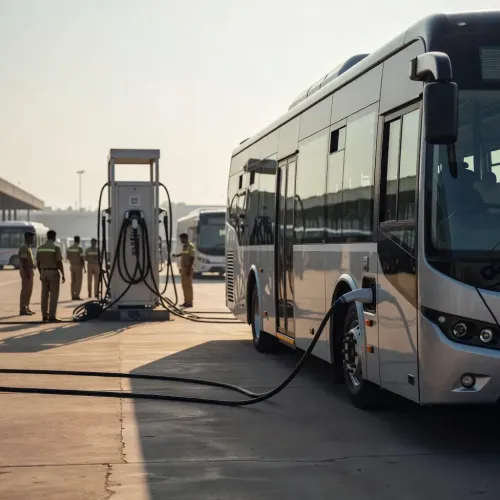
Under the same agreement, 172 charging stations are proposed across Maharashtra. Of these, 39 have been completed, while another 45 are expected to become operational within the next three months. MSRTC is coordinating with the concerned vendor to accelerate completion of the remaining stations.
Infrastructure Push and Rural Connectivity
Beyond electrification, the minister disclosed that a dedicated three-year roadmap has been prepared to strengthen MSRTC services in rural, remote, and tribal areas — segments historically underserved by the corporation. An allocation of approximately ₹200 crore has been earmarked for the modernisation of bus depots and bus ports, construction of residential quarters for drivers and conductors, and development of other essential infrastructure.
The National Common Mobility Card (NCMC) facility introduced by MSRTC has also received an encouraging response from commuters, Sarnaik added, signalling early traction for integrated ticketing across transport modes.
Crackdown on Illegal Private Buses
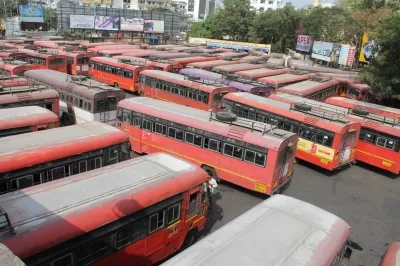
The minister also announced a major enforcement drive against private buses operating illegally within a 200-metre radius of MSRTC bus stations. Punitive action, including fines, has been taken against more than 200 private buses so far. The crackdown is aimed at protecting MSRTC's ridership base as it invests heavily in fleet modernisation.
Dahisar Transport Hub: Work Resumes After Safety Review
Separately, Minister of State for Urban Development Madhuri Misal addressed a Calling Attention Motion in the Legislative Assembly — raised by MLA Prakash Surve — regarding the Dahisar Transport Hub, an ambitious multi-modal transit project being developed by the Brihanmumbai Municipal Corporation (BMC).
The hub, being built at the site of the old octroi naka in Dahisar, is designed to integrate buses, Metro services, taxis, private vehicles, and pedestrians into a seamless interchange, while also creating a modern interstate bus terminal and reducing traffic congestion.
Misal informed the House that during excavation, hard basalt rock was encountered, requiring the controlled use of explosives after all necessary permissions were obtained. Following complaints from local residents and public representatives, excavation work was temporarily suspended. Tests conducted at the site on 20 June 2026 in accordance with IIT Bombay guidelines concluded that there was no threat to surrounding buildings. The minister assured the House that the next phase of the project would commence only after the report had been fully evaluated.
What Comes Next
With over 900 electric buses already on the road and charging infrastructure scaling up, the MSRTC electrification programme is past its pilot phase. The real test will be sustaining procurement pace, resolving charging bottlenecks in rural corridors, and securing long-term financing as the fleet replacement cycle deepens toward 2035.
Point of View
The infrastructure curve is steep. The ₹200 crore depot modernisation fund sounds substantial until measured against the scale of replacing an entire intercity fleet. The real accountability test will come in the next three years: if the charging network does not keep pace with bus deliveries, the programme risks becoming a headline without a heartbeat.
NationPress
7 Oct 2026
Frequently Asked Questions
What is MSRTC's plan to electrify its bus fleet by 2035?
The Maharashtra State Road Transport Corporation plans to convert its entire bus fleet to electric vehicles in a phased manner by 2035. The plan covers existing buses in operation, all new procurements, and the gradual replacement of ageing buses — with an agreement already in place for 5,150 electric buses, of which over 900 are currently operational.
How many electric buses does MSRTC currently operate?
As of 8 July 2026, more than 900 electric buses have joined the MSRTC fleet and are operating successfully across Maharashtra. These are part of a larger agreement to procure 5,150 electric buses in total.
What is the status of MSRTC's EV charging infrastructure?
Of the 172 charging stations proposed under the MSRTC electrification agreement, 39 have been completed. Another 45 are expected to become operational within three months, and MSRTC is coordinating with the vendor to expedite the remaining stations.
What is the Dahisar Transport Hub and why was work suspended?
The Dahisar Transport Hub is a multi-modal transit project being developed by the Brihanmumbai Municipal Corporation (BMC) at the site of the old octroi naka in Dahisar, Mumbai. Work was temporarily suspended after complaints from residents during excavation that required controlled blasting through hard basalt rock. Tests conducted on 20 June 2026 per IIT Bombay guidelines found no threat to surrounding buildings, and the next phase will begin after the report is fully evaluated.
Will Maharashtra be the first state with a fully electric state transport fleet?
According to Transport Minister Pratap Sarnaik, Maharashtra will become the first state in India to have a fully electric State Transport fleet once the 2035 target is achieved. No other state has announced a comparable deadline for complete fleet electrification of its state road transport corporation.