CM Bhupendra Patel Hails PM Modi's Melbourne Visit, India-Australia Ties
Synopsis
Gujarat Chief Minister Bhupendra Patel on 8 July 2026 hailed PM Narendra Modi's Melbourne visit, citing the Indian diaspora's warm reception as proof of deepening India–Australia ties built on their Comprehensive Strategic Partnership and the ECTA trade pact.
Key Takeaways
Gujarat CM Bhupendra Patel publicly welcomed PM Modi 's visit to Melbourne, Australia on 8 July 2026 .
Patel described the diaspora's reception as reflecting 'deep affection' for the Prime Minister and the strength of the India–Australia partnership .
India and Australia have held a Comprehensive Strategic Partnership since June 2020 , covering defence, critical minerals and people-to-people ties.
The India–Australia ECTA , in force since December 2022 , has cut tariffs on most goods between the two countries.
Both nations are Quad partners alongside the US and Japan , deepening their Indo-Pacific alignment.
PM Modi 's 2014 Australia visit was the first by an Indian PM in 28 years , marking a turning point in bilateral ties.
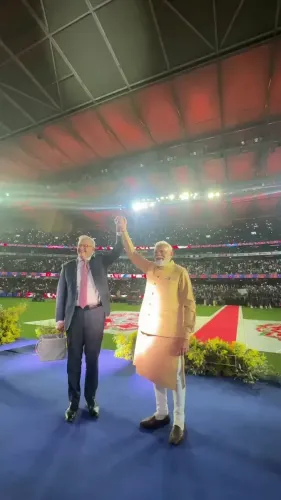
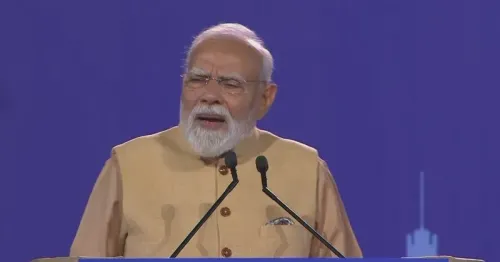
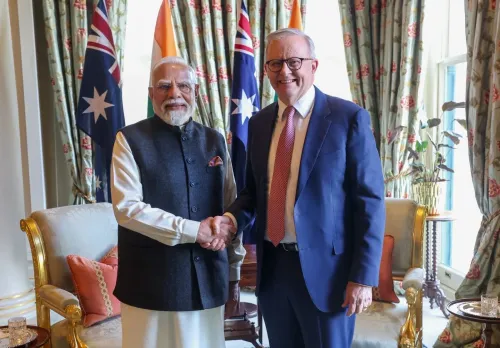
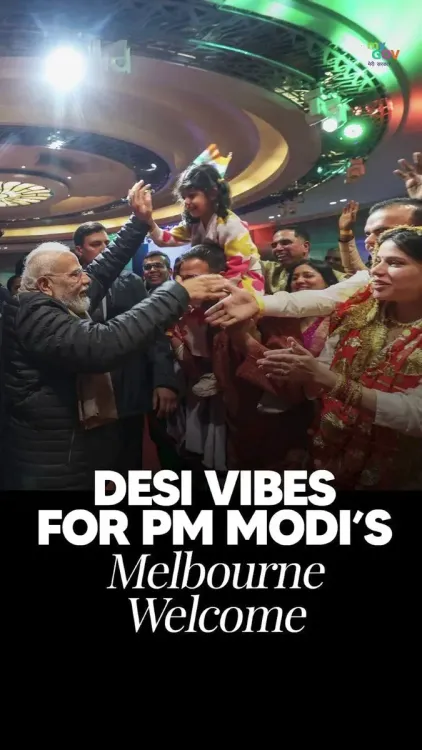
Gujarat Chief Minister Bhupendra Patel on Wednesday, 8 July 2026, welcomed Prime Minister Narendra Modi's visit to Melbourne, Australia, calling the warm reception by the Indian diaspora a reflection of deep affection for the Prime Minister and the growing strength of the India–Australia partnership.
Context
Taking to social media, CM Patel wrote that the 'warm and enthusiastic welcome for Hon'ble Prime Minister Shri Narendra Modi Ji in Melbourne reflects the deep affection of the Indian diaspora towards him, and the ever-growing strength of the India–Australia partnership.' He added a wish for the visit to carry the 'trusted partnership to even greater heights.' The post accompanied a video and carried the hashtag #PMModiInAustralia.
The message underscores the BJP's coordinated outreach around high-profile diplomatic visits, with senior state leaders amplifying the Centre's foreign-policy messaging to domestic and diaspora audiences.
Policy Backdrop
India and Australia elevated their relationship to a Comprehensive Strategic Partnership in June 2020, expanding cooperation across defence, critical minerals and people-to-people links. The India–Australia Economic Cooperation and Trade Agreement (ECTA) entered into force in December 2022, cutting tariffs on the majority of traded goods and deepening economic integration.
PM Modi's engagement with Australia has been consistent since his landmark November 2014 visit — the first by an Indian Prime Minister in 28 years — which relaunched bilateral momentum. Both nations are also partners in the Quadrilateral Security Dialogue (Quad), alongside the United States and Japan, a grouping focused on regional stability and supply-chain resilience across the Indo-Pacific.
Melbourne hosts one of Australia's largest Indian-origin communities and has frequently served as a venue for diaspora engagement events during official visits by Indian leaders.
Stakeholders and Impact
The Indian diaspora in Australia — numbering in the hundreds of thousands — stands as a key bridge in the bilateral relationship, influencing trade, education and cultural ties. Their visible enthusiasm during PM-level visits has historically translated into policy attention on mobility, student welfare and skilled-migration pathways.
Defence and trade officials on both sides are closely watching for implementation milestones under the ECTA and any announcements on critical minerals cooperation, an area where Australia's resource endowment aligns with India's manufacturing ambitions under initiatives such as Make in India.
What's Next
Diplomatic observers will track whether the Melbourne leg of the visit yields concrete deliverables — particularly on critical minerals supply chains, defence exercises or education mobility agreements — that advance the Comprehensive Strategic Partnership beyond its current framework.
Any outcomes from discussions linked to the next scheduled Quad Leaders' Meeting will also be closely watched, as India and Australia deepen alignment on Indo-Pacific security architecture. CM Patel's public endorsement signals that the visit carries political salience at home, reinforcing New Delhi's message that its Indo-Pacific outreach enjoys broad domestic support.
Point of View
Projecting unified political messaging to both domestic and diaspora audiences. The post arrives against the backdrop of a maturing India–Australia relationship — one that has moved from periodic engagement to a structured Comprehensive Strategic Partnership with a live trade agreement. The diaspora's visible role in Melbourne underscores how people-to-people links have become a diplomatic asset in their own right. Whether the visit produces tangible deliverables on critical minerals or defence will determine whether this round of goodwill translates into measurable policy gains.
NationPress
7 Oct 2026
Frequently Asked Questions
Why is PM Modi visiting Melbourne in July 2026?
PM Narendra Modi is visiting Melbourne as part of India's sustained diplomatic engagement with Australia under their Comprehensive Strategic Partnership, which covers defence, trade and people-to-people ties. Specific itinerary details have not been officially confirmed in public reporting available at the time of this article.
What is the India–Australia Comprehensive Strategic Partnership?
The India–Australia Comprehensive Strategic Partnership was established in June 2020 to deepen cooperation across defence, critical minerals, education and economic ties. It elevated the bilateral relationship beyond earlier frameworks and laid the groundwork for the ECTA trade agreement.
What is the India–Australia ECTA trade deal?
The India–Australia Economic Cooperation and Trade Agreement (ECTA) entered into force in December 2022 . It cuts tariffs on most goods traded between the two countries and is considered a landmark in bilateral economic integration.
Why did Gujarat CM Bhupendra Patel comment on PM Modi's Australia visit?
As a senior BJP leader and Gujarat Chief Minister , Patel posted a message of support reflecting the party's practice of coordinating public messaging around high-profile diplomatic events involving the Prime Minister.
What is India's role in the Quad grouping with Australia?
India and Australia are both members of the Quad — the Quadrilateral Security Dialogue — alongside the United States and Japan . The grouping focuses on Indo-Pacific regional stability, supply-chain resilience and security cooperation.