CM Bhupendra Patel Meets Mehsana Industrialist, Cites 12 Years of Modi Governance
Synopsis
Gujarat Chief Minister Bhupendra Patel visited Mehsana on 14 June 2026, meeting industrialist Dashrathbhai Patel to discuss opportunities for MSMEs under PM Modi's 12-year governance, citing Ease of Doing Business reforms and the Atmanirbhar Bharat Abhiyan as key enablers.
Key Takeaways
CM Bhupendra Patel visited Mehsana on 14 June 2026 and met industrialist Dashrathbhai Patel at his residence.
The visit was framed around 12 years of PM Narendra Modi's governance and its impact on trade and industry.
Ease of Doing Business reforms and the Atmanirbhar Bharat Abhiyan , launched in May 2020 , were cited as creating 'countless opportunities' for MSMEs .
Mehsana is part of Gujarat's northern industrial corridor with a dense concentration of small and medium enterprises.
The engagement reflects a broader pattern of BJP state leadership conducting ground-level outreach to assess the impact of central economic schemes.
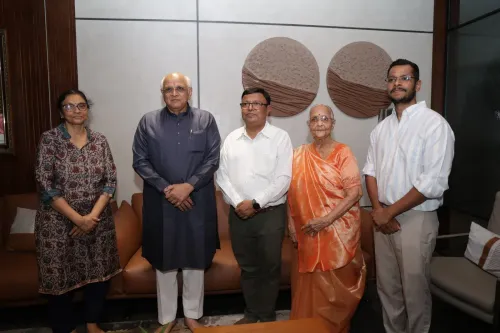
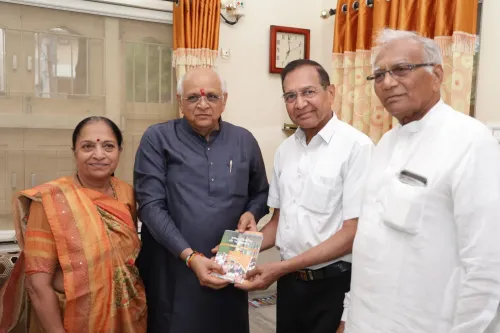
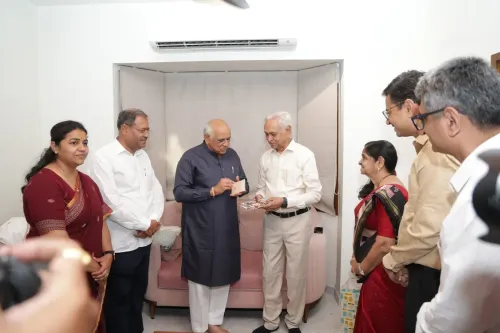
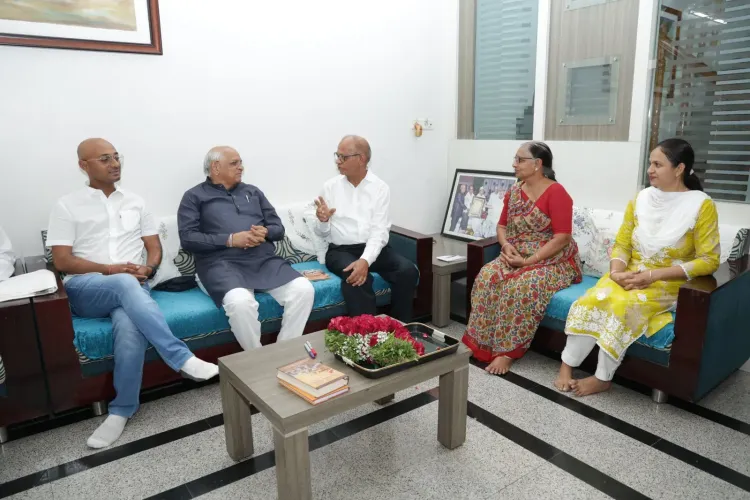
Gujarat Chief Minister Bhupendra Patel on Sunday, 14 June 2026, visited Mehsana and called on prominent local industrialist Dashrathbhai Patel at his residence, using the occasion to highlight what he described as the transformative business opportunities created under 12 years of Prime Minister Narendra Modi's governance.
Posting on X in Gujarati, CM Patel wrote: '૧૨ વર્ષ - વિકસિત ભારત તરફ અવિરત આગેકૂચના' ('12 years — an uninterrupted march towards a Developed India'), framing the visit as part of an ongoing dialogue between state leadership and the business community on the ground-level impact of central government schemes.
Context
During the Mehsana visit, CM Bhupendra Patel held what he called a 'positive dialogue' with Dashrathbhai Patel on the opportunities created for MSMEs and the broader trade and industry ecosystem under the Ease of Doing Business reforms and the Atmanirbhar Bharat Abhiyan. The Chief Minister specifically credited PM Modi's 12-year tenure — spanning May 2014 to June 2026 — as the driving force behind these changes. Mehsana, a district in northern Gujarat with a significant concentration of small and medium industries, is part of the state's established industrial corridor.
Policy Backdrop
The Atmanirbhar Bharat Abhiyan was launched by Prime Minister Modi in May 2020 as a comprehensive economic package to promote domestic manufacturing and reduce India's dependence on imports, with targeted support measures for the MSME sector. Separately, the Ease of Doing Business reform programme, pursued continuously since 2014, has involved regulatory simplification, reduced compliance burden, and the introduction of mechanisms such as the Insolvency and Bankruptcy Code 2016 and single-window clearance systems. Together, these two policy pillars have formed the backbone of the central government's manufacturing and enterprise agenda.
Gujarat has consistently positioned itself as a front-runner in implementing these central policies, leveraging its existing industrial base and successive BJP administrations at the state level. Periodic engagements between state leadership and local business figures are part of structured outreach to gauge how national schemes translate into on-the-ground outcomes for entrepreneurs and small manufacturers.
Stakeholders and Impact
The MSME sector is central to Gujarat's economic identity, with districts such as Mehsana home to clusters in dairy processing, chemicals, and light manufacturing. Industrialists in such clusters have been among the primary beneficiaries of production-linked incentives and simplified regulatory frameworks introduced under both the Atmanirbhar Bharat and Ease of Doing Business initiatives. Conversations of the kind CM Patel described serve a dual purpose: they signal continued political attention to business concerns and help state administrators identify where implementation gaps may persist.
What's Next
Observers will watch for whether Gujarat's state budget allocations or forthcoming industrial policy notifications translate the momentum of central MSME incentives into additional local-level support, such as upgraded single-window clearance systems or district-specific investment facilitation. CM Bhupendra Patel's outreach in Mehsana suggests the state government intends to maintain visible engagement with the business community as India pushes toward its broader 'Viksit Bharat' — Developed India — goals.
Point of View
The Chief Minister links state-level outreach to the national 'Viksit Bharat' branding exercise. For Gujarat, a state that has long marketed itself as India's investment destination of choice, such engagements also serve as soft signals to the wider business community that political access remains open. The real test, however, will be whether these dialogues translate into measurable policy improvements at the district level rather than remaining ceremonial gestures.
NationPress
14 Sept 2026
Frequently Asked Questions
Why did Gujarat CM Bhupendra Patel visit Mehsana in June 2026?
CM Bhupendra Patel visited Mehsana on 14 June 2026 and called on industrialist Dashrathbhai Patel at his residence to discuss business opportunities created for MSMEs under PM Modi's 12 years of governance , specifically referencing the Ease of Doing Business reforms and the Atmanirbhar Bharat Abhiyan .
What is the Atmanirbhar Bharat Abhiyan and how does it relate to MSMEs?
The Atmanirbhar Bharat Abhiyan was launched by Prime Minister Narendra Modi in May 2020 as a self-reliance economic package that includes production-linked incentives and targeted support for MSMEs to boost domestic manufacturing and reduce import dependence.
What is the Ease of Doing Business reform programme in India?
The Ease of Doing Business programme is a central government initiative pursued since 2014 that simplifies regulations, reduces compliance burdens for businesses, and has included measures such as the Insolvency and Bankruptcy Code 2016 and single-window clearance systems.
Who is Dashrathbhai Patel from Mehsana?
Dashrathbhai Patel is described as a well-known industrialist based in Mehsana , Gujarat , whom CM Bhupendra Patel visited at his residence on 14 June 2026 as part of outreach to the business community.
What is Viksit Bharat and how is Gujarat contributing to it?
'Viksit Bharat' — meaning 'Developed India' — is the overarching national vision articulated by PM Modi's government for India's long-term economic development. Gujarat , with its established industrial base and active implementation of central schemes like Atmanirbhar Bharat , positions itself as a leading contributor to this goal.