CM Bhupendra Patel Meets Mehsana Builder, Discusses PMAY and RERA
Synopsis
Gujarat Chief Minister Bhupendra Patel visited Mehsana on 14 June 2026 and met builder-social worker Sandipbhai Sheth, discussing PM Modi's landmark PMAY housing scheme and RERA legislation and their role in bringing transparency to India's real estate sector and uplifting the underprivileged.
Key Takeaways
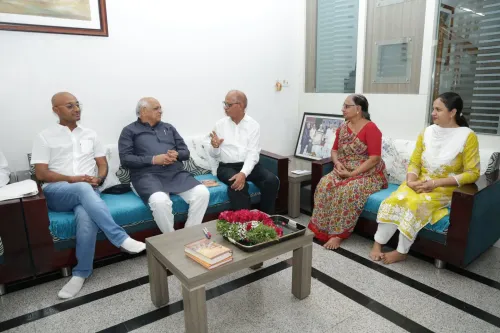
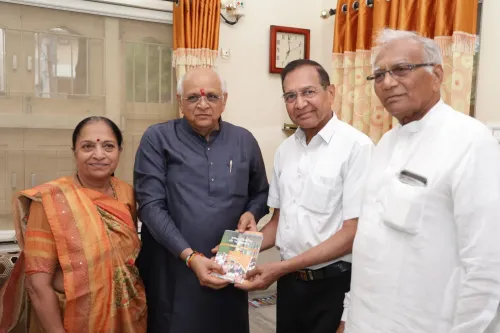
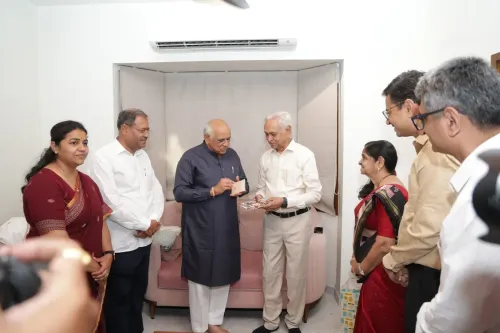
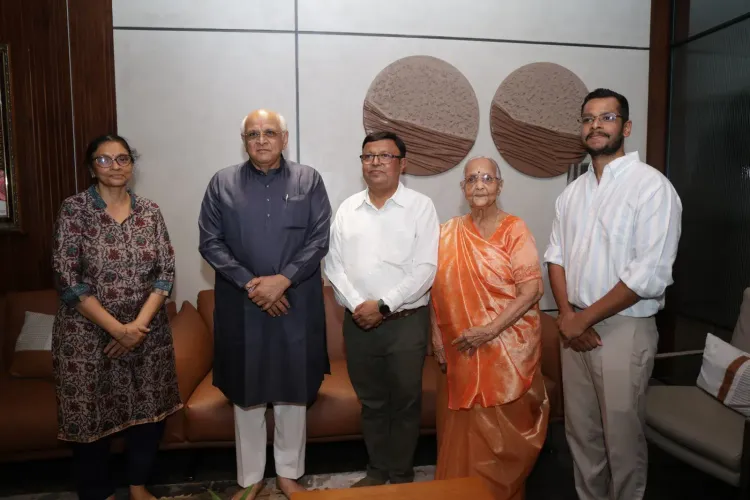
Gujarat CM Bhupendra Patel visited Mehsana on 14 June 2026 and met local builder and social worker Sandipbhai Sheth .
Discussions focused on PM Awas Yojana (PMAY) , launched in June 2015 with a target of two crore affordable homes under the Housing for All mission.
RERA , passed in March 2016 , was highlighted as a historic reform bringing statutory transparency to the real estate sector.
CM Patel credited 12 years of PM Narendra Modi 's leadership for transforming infrastructure and real estate policy.
Gujarat is recognised as an early and high-performing adopter of both PMAY and RERA among Indian states.
The meeting signals continued state outreach to the real estate community to accelerate last-mile housing delivery.
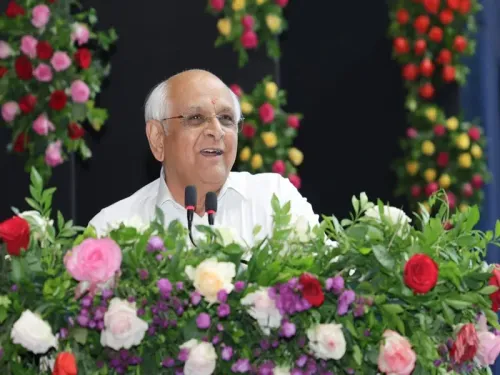
Gujarat Chief Minister Bhupendra Patel on Sunday, 14 June 2026, met prominent Mehsana-based builder and social worker Sandipbhai Sheth during a visit to the northern Gujarat district, describing the interaction as deeply gratifying. The discussion centred on the Union government's landmark housing and real estate reforms implemented over the past twelve years under Prime Minister Narendra Modi.
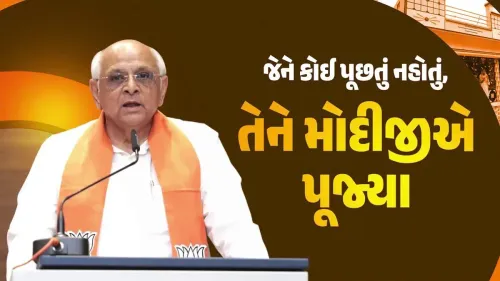
Posting in Gujarati on X, CM Patel wrote that the meeting covered the 'PM Awas Yojana' (PM Housing Scheme) — pursued with the #Housing4All goal — and the RERA legislation, calling them 'historic decisions' that have brought transparency to the country's infrastructure and real estate sector while uplifting the deprived. 'The conversation with him about the meaningful work done for the upliftment of the underprivileged was very fruitful,' he noted.
Context
Mehsana is a commercially active district in northern Gujarat known for its industrial and construction activity. Chief Minister Patel's visit to meet a local builder-turned-social-worker signals the state government's continued outreach to the real estate community as Gujarat positions itself as a model implementer of central housing policy.
The meeting comes as the BJP-led Union government completes over a decade of its housing and urban reform agenda, with the Pradhan Mantri Awas Yojana (PMAY) and the Real Estate (Regulation and Development) Act, 2016 (RERA) standing as its two most cited policy pillars in the sector.
Policy Backdrop
PMAY was launched in June 2015 with the target of constructing two crore affordable houses by 2022 under the Housing for All mission, covering both urban and rural verticals. Gujarat has been among the states reporting high completion rates under the scheme, often cited as an early and efficient adopter of both the urban and rural components.
RERA, passed by Parliament in March 2016, established state-level real estate regulatory authorities to register projects, enforce timelines, and protect homebuyers from fly-by-night operators. The law is widely credited with formalising a sector long associated with opacity, delayed deliveries, and consumer grievances. Together, the two reforms represent the Union government's twin-track approach: expanding supply through subsidised construction while cleaning up the market through statutory oversight.
Stakeholders and Impact
The primary beneficiaries of PMAY are urban and rural poor households — particularly economically weaker sections and low-income groups — who receive central and state subsidies to build or purchase homes. For the real estate industry, RERA has reshaped project registration, escrow requirements, and dispute resolution, directly affecting builders such as Sandipbhai Sheth and thousands of developers across Gujarat.
Social workers and community-linked builders in districts like Mehsana often serve as on-ground conduits between government housing programmes and beneficiary communities, helping identify eligible households, navigate paperwork, and accelerate last-mile delivery. CM Patel's engagement with this constituency reflects the state's strategy of leveraging local networks for scheme penetration.
What's Next
Observers will watch for the next quarterly PMAY progress report for Gujarat, which will indicate how many units have been sanctioned, grounded, and completed in the current financial year. Any follow-up announcements from the state housing department regarding builder consultations or RERA enforcement actions in northern Gujarat will also be closely tracked.
As the Union government reviews and extends housing targets beyond the original 2022 deadline, state-level political engagement with the real estate sector — as seen in this Mehsana meeting — is expected to intensify, with Gujarat aiming to consolidate its reputation as a benchmark state for transparent, inclusive housing delivery.
Point of View
Particularly in electorally significant districts. By framing PMAY and RERA as twin pillars of 'historic' reform under PM Modi, the Chief Minister is simultaneously crediting central leadership and positioning Gujarat as the model implementer — a dual political dividend. The choice to engage a builder-social worker rather than a bureaucrat signals a deliberate effort to humanise policy delivery and build coalition with the influential real estate community. As housing targets remain a live political metric, such consultative optics are likely to become more frequent ahead of any state or national electoral cycle.
NationPress
16 Sept 2026
Frequently Asked Questions
What did Gujarat CM Bhupendra Patel discuss during his Mehsana visit?
CM Bhupendra Patel met Mehsana-based builder and social worker Sandipbhai Sheth on 14 June 2026 and discussed the PM Awas Yojana housing scheme and the RERA legislation, focusing on their role in bringing transparency to real estate and uplifting underprivileged communities.
What is PM Awas Yojana and when was it launched?
Pradhan Mantri Awas Yojana (PMAY) is a central government scheme launched in June 2015 with the goal of constructing two crore affordable houses by 2022 under the Housing for All mission, covering both urban and rural beneficiaries.
What is RERA and how does it protect homebuyers?
RERA, the Real Estate (Regulation and Development) Act, was passed by Parliament in March 2016. It mandates registration of real estate projects, enforces delivery timelines, and establishes state regulatory authorities to resolve disputes, protecting homebuyers from delays and malpractice.
How has Gujarat performed under PMAY?
Gujarat has been recognised as an early and high-performing adopter of PMAY, reporting strong completion rates under both the urban and rural verticals of the scheme and often cited as a model state for transparent housing delivery.
Who is Sandipbhai Sheth?
Sandipbhai Sheth is a Mehsana-based builder and social worker whom Gujarat CM Bhupendra Patel met during his visit to the northern Gujarat district on 14 June 2026 to discuss housing reforms and community welfare work.