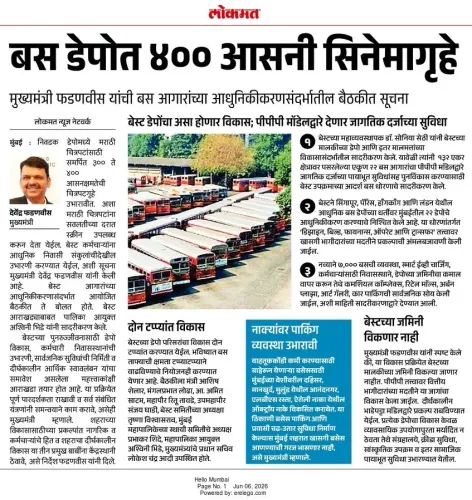
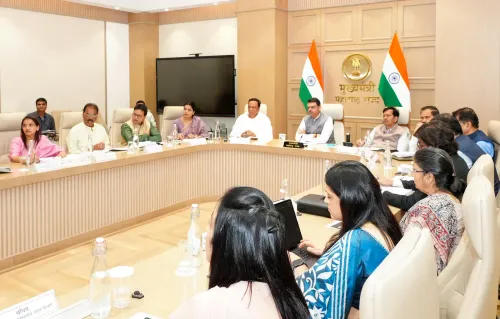
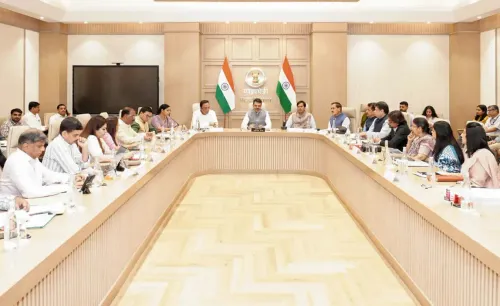
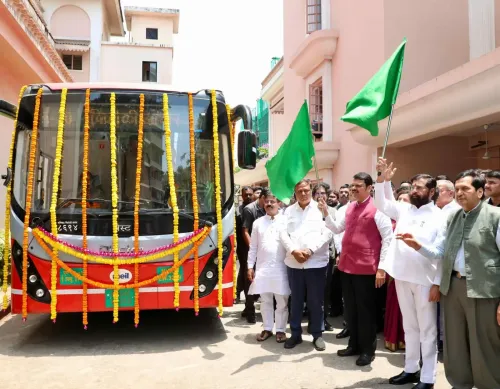
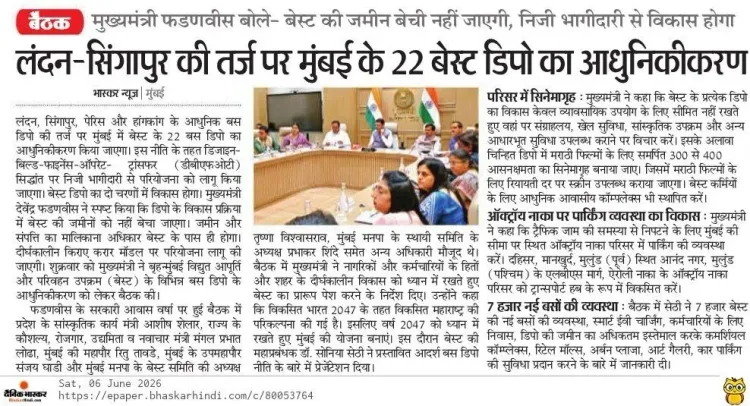
CM Fadnavis Orders Modernisation of 22 BEST Depots in Mumbai
Synopsis
The Chief Minister's Office of Maharashtra announced on 6 June 2026 that 22 BEST bus depots in Mumbai will be modernised on the lines of London and Singapore transport infrastructure, signalling a major international-benchmark upgrade to the city's public bus network under CM Devendra Fadnavis.
Key Takeaways
22 BEST bus depots in Mumbai are targeted for modernisation under the announcement by the Chief Minister's Office of Maharashtra.
The upgrade is benchmarked against bus and transport depot models in London and Singapore , two globally cited standards for urban mobility.
Chief Minister Devendra Fadnavis is the named driver of the initiative, continuing his focus on Mumbai infrastructure.
The Brihanmumbai Electric Supply and Transport Undertaking (BEST) serves millions of daily commuters and has faced long-standing infrastructure constraints.
Depot modernisation is seen as a prerequisite for scaling electric bus operations in Mumbai.
Tender announcements, project timelines, and consultant appointments are the next milestones to watch.
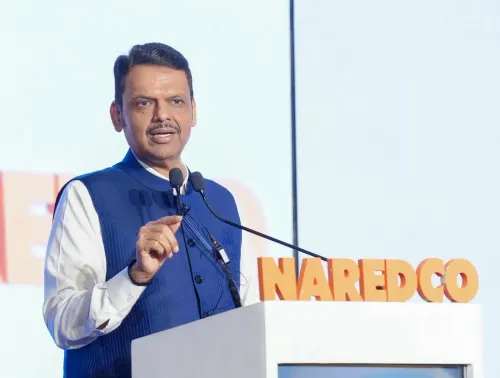
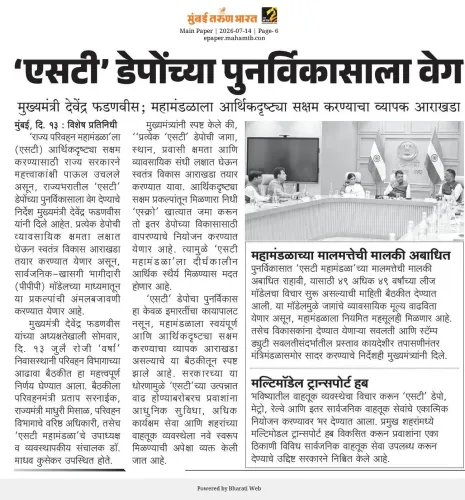
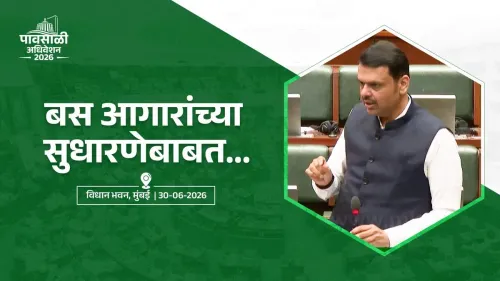
The Chief Minister's Office of Maharashtra announced on Saturday, 6 June 2026, that 22 BEST bus depots across Mumbai are set to be modernised on the lines of transport infrastructure in London and Singapore. The announcement, attributed to Chief Minister Devendra Fadnavis, signals a major push to upgrade the city's public bus network to international standards.
Context
The post from the Chief Minister's Office reads: 'लंदन-सिंगापुर की तर्ज पर मुंबई के 22 बेस्ट डिपो का आधुनिकीकरण' — 'Modernisation of 22 BEST depots in Mumbai on the lines of London and Singapore.' The announcement positions Mumbai's public bus infrastructure alongside two of the world's most cited benchmarks for urban mobility: the London bus network and Singapore's land transport system, both known for integrated depot operations, real-time fleet management, and electrification.
The Brihanmumbai Electric Supply and Transport Undertaking (BEST) is Mumbai's primary public bus operator, serving millions of daily commuters across the metropolitan area. The undertaking has faced recurring operational and financial challenges over the years, making depot-level infrastructure upgrades a long-standing priority for successive Maharashtra governments.
Policy Backdrop
Maharashtra governments have periodically announced fleet and depot upgrades for BEST, including a push toward electric buses and improved depot electrification. The current initiative appears to take that trajectory further by benchmarking against international models rather than incremental domestic upgrades.
Across India, state governments have increasingly looked to cities like London and Singapore when designing urban bus depot modernisation plans — citing gains in operational efficiency, reduced turnaround times, and compatibility with electric vehicle charging infrastructure. Chief Minister Devendra Fadnavis, who has served multiple terms in office with a consistent focus on Mumbai's infrastructure, has positioned this announcement as part of a broader urban mobility agenda for the state.
Stakeholders and Impact
The primary beneficiaries of the modernisation would be Mumbai's millions of daily BEST bus commuters, who rely on the network as an affordable alternative to the city's overcrowded suburban rail system. Upgraded depots are expected to improve bus availability, reduce breakdowns, and support a smoother transition to electric buses.
BEST employees — including drivers, mechanics, and depot staff — stand to work in improved facilities if the modernisation proceeds as announced. Industry observers note that depot upgrades are a prerequisite for scaling electric bus operations, since modern charging infrastructure and maintenance bays must be built into depot design from the outset.
What's Next
The key milestones to watch will be the release of tender documents, appointment of project consultants, and the publication of detailed timelines for each of the 22 depots. The integration of modernised depots with any expanded electric bus procurement by BEST will be a critical test of the announcement's ambition.
If the London-Singapore benchmarking translates into concrete design and technology specifications, the project could set a new standard for public bus depot infrastructure in Indian cities — and provide a template for other state governments pursuing similar urban mobility upgrades.
Point of View
Associating Fadnavis with world-class urban governance. For a city that has long complained of underfunded public transport, the 22-depot number gives the initiative a concrete, trackable scale. The real test will come at the tender stage: whether the international benchmarking translates into design specifications and timelines, or remains aspirational branding. Placed in the broader pattern of Indian states competing on urban mobility credentials, this announcement fits a national trend of repositioning bus transport — long seen as a poor cousin to metro rail — as a flagship infrastructure category.
NationPress
24 Oct 2026
Frequently Asked Questions
What is the BEST depot modernisation plan announced by CM Fadnavis?
Chief Minister Devendra Fadnavis announced that 22 BEST bus depots in Mumbai will be modernised on the lines of transport infrastructure in London and Singapore, aiming to upgrade operational efficiency and support electric bus operations.
Which city models is Mumbai's BEST depot upgrade based on?
The modernisation is benchmarked against London and Singapore, two cities widely cited for their integrated bus depot operations, fleet management technology, and electrification infrastructure.
How many BEST depots will be modernised in Mumbai?
According to the announcement by the Chief Minister's Office of Maharashtra, 22 BEST depots across Mumbai are slated for modernisation.
What is BEST and why does it matter for Mumbai commuters?
BEST, or the Brihanmumbai Electric Supply and Transport Undertaking, is Mumbai's primary public bus operator. It serves millions of daily commuters and is a critical affordable transport option alongside the city's suburban rail network.
When will the BEST depot modernisation project begin?
No specific start date or tender timeline has been announced yet. The next steps to watch are tender documents, project consultants, and official timelines for the 22 depots.