CM Fadnavis Seeks JICA Funding for Mumbai-Vadhavan Expressway
Synopsis
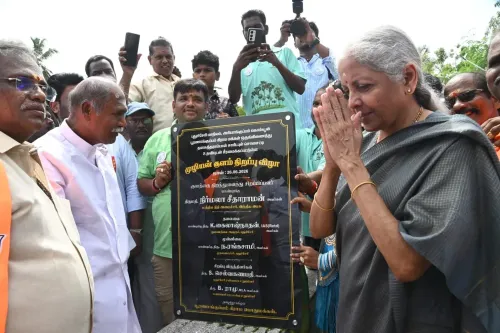
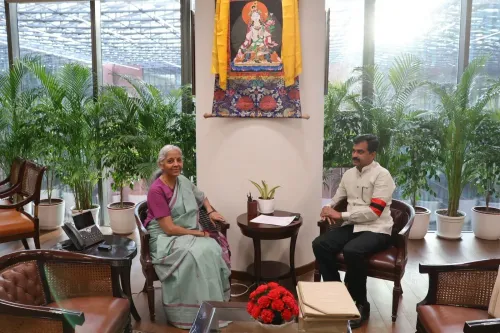
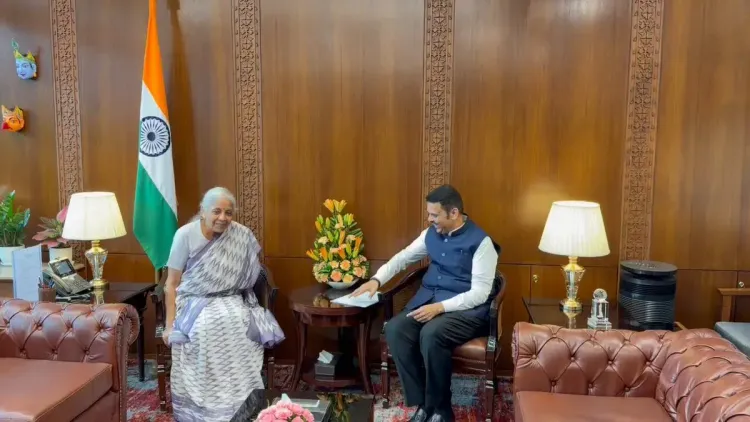
Maharashtra CM Devendra Fadnavis met Finance Minister Nirmala Sitharaman in New Delhi on 17 August 2026, requesting JICA funding clearance for the Uttan–Virar Sea Link — a coastal expressway critical to connecting the upcoming Vadhavan port with Mumbai's transport network.
Key Takeaways
CM Fadnavis met Finance Minister Sitharaman in New Delhi on 17 August 2026 to seek funding approval.
The request is for JICA (Japan International Cooperation Agency) financing for the Uttan–Virar Sea Link .
The project forms part of the broader Mumbai–Vadhavan Expressway Connectivity corridor.
Sitharaman assured 'positive consideration' — a key signal ahead of formal Finance Ministry clearance.
Central Finance Ministry approval is a mandatory procedural step before JICA funds can be routed to a state project.
The sea link is strategically linked to the Vadhavan Greenfield Port in Palghar district.
A sea link that could redraw Mumbai's northern connectivity got a crucial push on Monday, 17 August 2026, when Maharashtra Chief Minister Devendra Fadnavis met Union Finance Minister Nirmala Sitharaman in New Delhi and formally requested approval for Japan International Cooperation Agency (JICA) financing for the Mumbai–Vadhavan Expressway Connectivity project, also known as the Uttan–Virar Sea Link.
What Fadnavis Asked — and What Sitharaman Said
CM Fadnavis requested the Finance Ministry to clear the JICA funding route for the project, a step required before Japan's official development assistance can be formally tied to an Indian infrastructure scheme. Sitharaman assured 'positive consideration' — language that signals intent without constituting a formal sanction, but is nonetheless significant coming from the ministry that controls external borrowing approvals.
Fadnavis described the minister's response as strong enough to publicly thank her, calling the project 'important for Maharashtra' in his post on X.
The Uttan–Virar Sea Link: Why This Corridor Matters
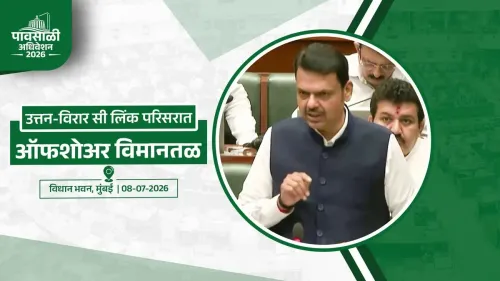
The Uttan–Virar Sea Link is a proposed coastal expressway link designed to connect the Mumbai–Vadhavan port expressway corridor with Virar in Mumbai's far northern suburbs, bypassing heavily congested inland routes. The alignment runs along the Arabian Sea coastline, threading through Uttan on Bhayandar's western tip before crossing to Virar.
The project is strategically tied to the Vadhavan Greenfield Port in Dahanu, Palghar district — a major national port project that, once operational, will need fast, high-capacity road access to Mumbai's logistics network and the broader Mumbai Metropolitan Region. Without a dedicated sea-link corridor, freight and commuter traffic would be forced onto already-saturated NH-48 and Western Railway lines.
JICA's Role and the Funding Approval Process
JICA, Japan's primary overseas development agency, has a long history of co-financing large Indian infrastructure projects through low-interest yen loans — most notably the Mumbai Metro Line 3 and the Delhi Metro network. For JICA funding to be activated on a state-level project, the Union Finance Ministry must first grant a 'no-objection' and route the loan through the central government's external assistance framework before it reaches the state.
Fadnavis's meeting with Sitharaman is therefore a procedurally necessary step, not merely a courtesy call — the state cannot directly approach JICA without central clearance.
Point of View
Easing the fiscal burden on a state that is already managing a large capital expenditure pipeline. The move fits a broader BJP pattern of leveraging Japan's ODA relationships, built over the Delhi and Mumbai Metro projects, for the next generation of port-linked infrastructure.
NationPress
2 Oct 2026
Frequently Asked Questions
What is the Uttan–Virar Sea Link project?
The Uttan–Virar Sea Link is a proposed coastal expressway that will connect Uttan near Bhayandar to Virar in Mumbai's northern suburbs, forming part of the Mumbai–Vadhavan Expressway corridor that links the city to the upcoming Vadhavan Greenfield Port in Palghar.
Why did CM Fadnavis meet Finance Minister Sitharaman?
CM Devendra Fadnavis met Nirmala Sitharaman on 17 August 2026 to request the Finance Ministry's approval for JICA (Japan International Cooperation Agency) financing for the Uttan–Virar Sea Link project — a mandatory central clearance before Japan's development funds can be routed to a state scheme.
What is JICA and how does it fund Indian projects?
JICA, the Japan International Cooperation Agency, provides low-interest yen loans (official development assistance) for large infrastructure projects in India. It has previously co-financed the Delhi Metro and Mumbai Metro Line 3. For state projects, the Union Finance Ministry must first approve and route the loan.
Has the JICA funding been approved for the sea link?
Not yet formally. Finance Minister Sitharaman assured 'positive consideration' during the meeting, which signals intent but is not a final sanction. The formal approval process through the Finance Ministry is still pending.
What is the Vadhavan Port and why does it need this expressway?
Vadhavan Greenfield Port in Dahanu, Palghar district, is a major national port project under development. The Uttan–Virar Sea Link is designed to provide fast, high-capacity road access between the port and Mumbai's logistics and transport network, reducing pressure on existing congested inland routes.