Sitharaman Meets MP Durai Vaiko in Parliamentary Courtesy Call
Synopsis
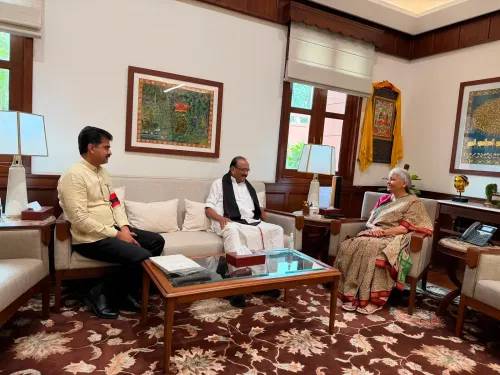
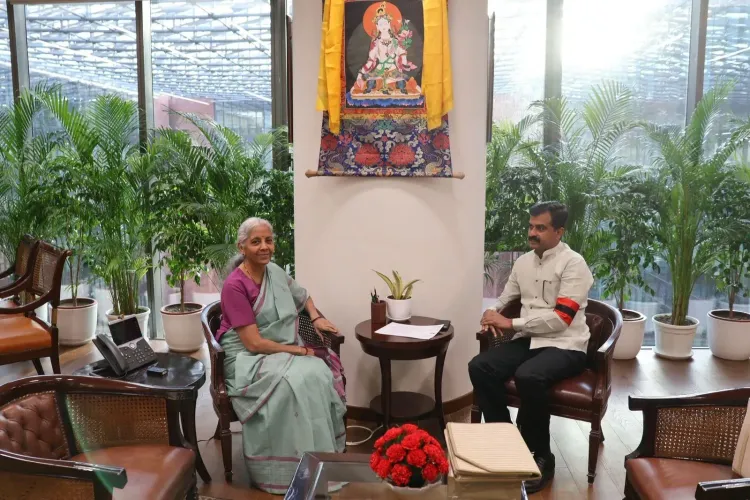
Union Finance Minister Nirmala Sitharaman received MDMK Lok Sabha MP Durai Vaiko in a courtesy call on 27 May 2026. The meeting follows a standard parliamentary convention through which regional party MPs engage the Finance Ministry on state-level concerns, including fund devolution and GST matters.
Key Takeaways
Union Finance Minister Nirmala Sitharaman met Durai Vaiko , Lok Sabha MP, on 27 May 2026 .
Durai Vaiko is affiliated with MDMK , a Tamil Nadu-based regional party led by veteran politician Vaiko .
No agenda or outcome was officially disclosed by either side following the meeting.
Tamil Nadu MPs have regularly engaged the Finance Ministry on issues such as GST compensation , tax devolution, and infrastructure funding.
The meeting reflects routine parliamentary practice of regional MPs calling on central ministers to raise state-level concerns.
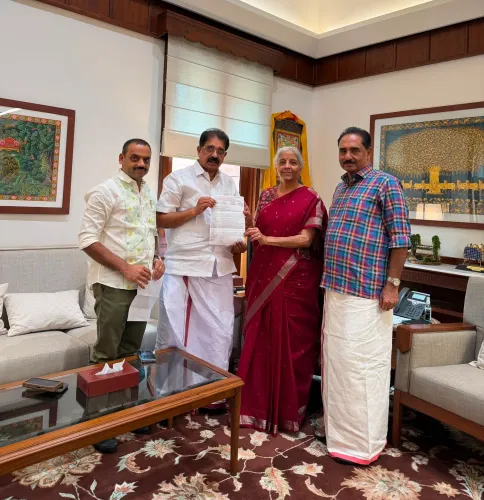
Union Finance Minister Nirmala Sitharaman received Durai Vaiko, Lok Sabha Member of Parliament, at her office on Wednesday, 27 May 2026, in what the Finance Ministry described as a courtesy call. The meeting brought together a senior Cabinet minister and a regional party legislator from Tamil Nadu in a standard parliamentary engagement.
Context
Durai Vaiko is a Lok Sabha MP affiliated with the Marumalarchi Dravida Munnetra Kazhagam (MDMK), a Tamil Nadu-based regional party. He is the son of veteran MDMK leader Vaiko, and has been active in raising regional and constituency-level concerns through parliamentary channels. Calls on central ministers by opposition or regional party MPs are a routine feature of India's parliamentary convention.
The Finance Ministry's post on X noted the meeting with the salutation 'Hon'ble MP (LS)', indicating the formal nature of the interaction. No agenda or outcome was disclosed in the public communication.
Policy Backdrop
Tamil Nadu MPs have historically engaged the Union Finance Ministry on a range of fiscal matters, including devolution of central taxes, Goods and Services Tax (GST) compensation, and allocations for state infrastructure projects. These interactions carry particular significance given the ongoing debates over centre-state fiscal relations, especially involving states not governed by the Bharatiya Janata Party (BJP).
Nirmala Sitharaman has served as Union Minister of Finance and Corporate Affairs since 2019, and is a Rajya Sabha MP from Karnataka. Her tenure has seen multiple rounds of engagement with southern state governments and their parliamentary representatives over resource-sharing and project funding.
Stakeholders and Impact
Meetings of this nature serve as a primary channel through which regional parties and their representatives formally communicate state-level priorities to the central government. For MDMK and Tamil Nadu's broader political ecosystem, direct access to the Finance Minister provides an opportunity to flag concerns around fund releases, pending dues, or scheme implementation.
The interaction also reflects a broader pattern in which the Finance Ministry maintains working relations with MPs across party lines, a practice that underpins the functioning of India's federal fiscal architecture.
What's Next
Any substantive outcomes from the meeting are likely to surface through parliamentary questions, budget memoranda, or state-specific announcements in the coming weeks. Observers will watch for any follow-up in Parliament sessions or Finance Ministry communications relating to Tamil Nadu's pending fiscal requests. The meeting could also be a precursor to broader consultations ahead of mid-year budget reviews or state project clearances.
Point of View
While procedurally routine, fits into a well-established pattern of Tamil Nadu's regional parties using direct ministerial access to press fiscal demands on the Centre. For MDMK, which often positions itself as a champion of Tamil interests, such engagements carry both practical and symbolic value. The interaction also signals that the Finance Ministry continues to maintain open channels with non-NDA regional legislators, a posture that matters ahead of any mid-year fiscal reviews. Whether this translates into concrete outcomes for Tamil Nadu will be the real measure of the meeting's significance.
NationPress
11 Oct 2026
Frequently Asked Questions
Why did Durai Vaiko meet Nirmala Sitharaman?
Durai Vaiko, Lok Sabha MP from MDMK, called on Union Finance Minister Nirmala Sitharaman on 27 May 2026 in what was described as a courtesy call. No specific agenda was publicly disclosed.
What issues do Tamil Nadu MPs raise with the Finance Ministry?
Tamil Nadu MPs have frequently engaged the Finance Ministry on matters such as GST compensation, devolution of central taxes, and allocations for state infrastructure and development projects.
Is it common for opposition MPs to meet the Finance Minister?
Yes, courtesy calls and formal meetings between central ministers and opposition or regional party MPs are a standard feature of India's parliamentary convention, serving as a key channel for raising state-level concerns.