Is the Union Budget a Significant Leap for a Developed India? CM Devendra Fadnavis Thinks So
Synopsis
Maharashtra's CM, Devendra Fadnavis, praises the new Union Budget for its ambitious plans aimed at fostering development in India. With a focus on urbanization, women empowerment, and infrastructure investments, this budget sets a strong foundation for economic growth.
Key Takeaways
Union Budget 2026 aims for substantial infrastructure investment.
Focus on urbanization and entrepreneurship to create jobs.
Special initiatives for women's economic empowerment.
High-speed corridors expected to boost GDP significantly.
Commitment to inclusive development for all communities.
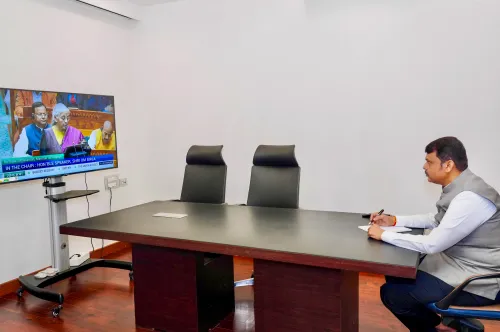
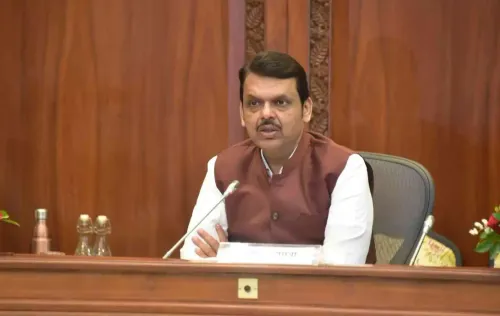
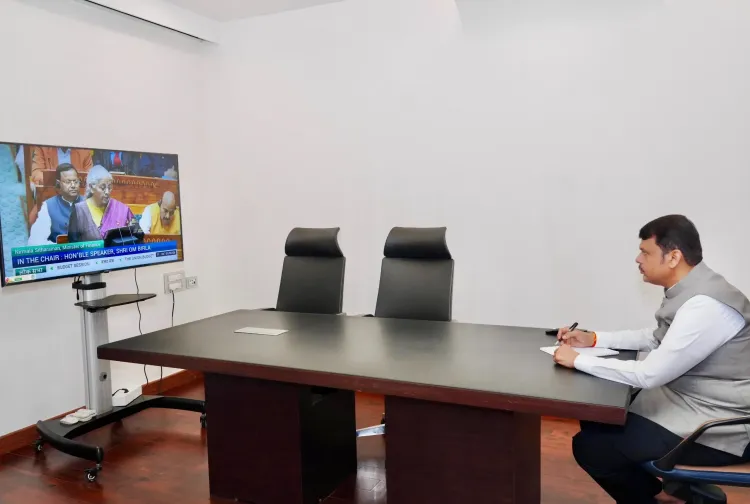
Mumbai, Feb 1 (NationPress) The Chief Minister of Maharashtra, Devendra Fadnavis, remarked on Sunday that the Union Budget introduced by Finance Minister Nirmala Sitharaman marks a significant milestone towards achieving a developed India.
In his initial response following the Union Budget presentation in the Lok Sabha, the chief minister stated, “Through strategic urbanization, the promotion of industry and entrepreneurship, along with decisive actions for investment and job creation, this budget establishes a robust foundation. A total investment of Rs 12 lakh crore has been allocated for infrastructure, alongside considerable provisions for agriculture, animal husbandry, fisheries, and irrigation.”
He further added, “Building on the success of the Lakhpati Didi initiative, the proposal to develop dedicated malls and industrial opportunities solely for women is critically important. A new scheme for girls' hostels pursuing higher education in every district has also been introduced. Additionally, the decision to set up emergency medical facilities in district hospitals will be invaluable for the healthcare sector.”
CM Fadnavis noted, “The high-speed corridors connecting Mumbai and Pune, as well as Pune and Hyderabad, are expected to significantly boost the GDP. Each growth hub is set to receive Rs 5,000 crore over the next five years, benefiting the Mumbai Metropolitan Region (MMR), Pune Metropolitan Region, and the Nagpur Metropolitan Growth Hub.”
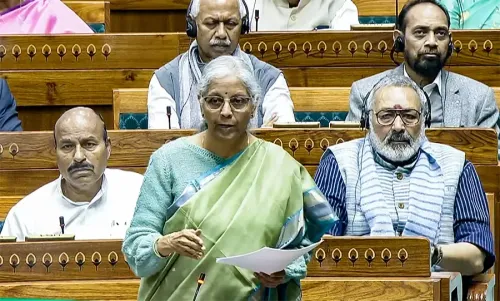
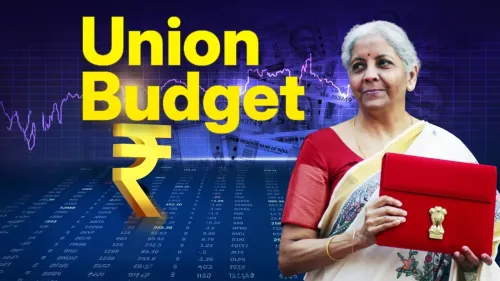
Earlier on Sunday, while presenting the Union Budget for 2026, Finance Minister Nirmala Sitharaman highlighted three central 'kartavyas', or duties, aimed at steering India’s economy through global uncertainties while ensuring growth and meeting the aspirations of the populace. “Our government's commitment is to prioritize the poor, underprivileged, and disadvantaged,” stated Sitharaman.
In her record ninth Budget presentation, the Finance Minister outlined that the government’s economic strategy would focus on accelerating growth, fostering inclusive development, and maintaining the momentum of structural reforms.
“This includes: enhancing productivity and global competitiveness to sustain economic growth, fulfilling the aspirations of the people, establishing growth as the cornerstone of India’s long-term prosperity, and advancing Sabka Saath, Sabka Vikas by ensuring equitable access to resources and opportunities for all farmers, communities, and religions, promoting broader participation in development,” she articulated.
Point of View
The recent statements by CM Devendra Fadnavis regarding the Union Budget reflect a collective optimism towards economic revitalization. The emphasis on infrastructure and women's empowerment indicates a strategic approach towards inclusive growth, resonating with the aspirations of the populace.
NationPress
17 Oct 2026
Frequently Asked Questions
What is the significance of the Union Budget 2026?
The Union Budget 2026 is significant as it lays out a comprehensive plan for investment in infrastructure, agriculture, and women's empowerment, aiming to propel India towards development.
How much is allocated for infrastructure in the Union Budget?
A total of Rs 12 lakh crore has been allocated for infrastructure development.
What initiatives are included for women's empowerment?
The budget includes plans to create dedicated malls and industrial opportunities for women, along with a scheme for girls' hostels in every district.
What impact will the high-speed corridors have?
The high-speed corridors between Mumbai-Pune and Pune-Hyderabad are expected to significantly increase GDP and economic activity in the regions.
What are the main goals outlined by Finance Minister Sitharaman?
The goals include accelerating economic growth, ensuring inclusive development, and maintaining the momentum of structural reforms.