CM Fadnavis Signs 3 MoUs with South Korea to Build Skill Hub

Synopsis
Maharashtra Chief Minister Devendra Fadnavis announced three MoUs with premier South Korean institutes on 21 May 2026, aiming to transform the state into a global skill hub through advanced training ecosystems, digital learning platforms, and world-class research opportunities for Maharashtra's youth.
Key Takeaways
Three MoUs were signed between Maharashtra and premier institutes from the Republic of Korea on 21 May 2026 .
The agreements target advanced training ecosystems , digital learning platforms , and world-class research opportunities for Maharashtra's youth.
The initiative aligns with India's National Skill Development Mission (2015) and the India–Korea Comprehensive Economic Partnership Agreement (2009) .
Maharashtra's industrial and IT base makes it a strategic testbed for international skill partnerships, alongside existing models with Japan and Germany .
Key outcomes to watch over the next 12–18 months include curriculum integration, faculty exchanges, and pilot training centre launches.
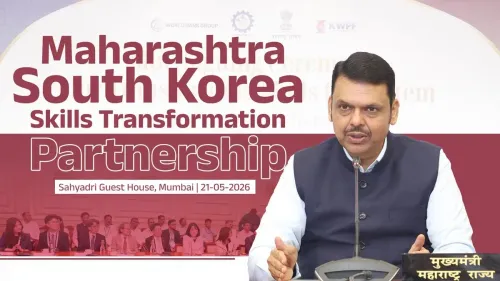
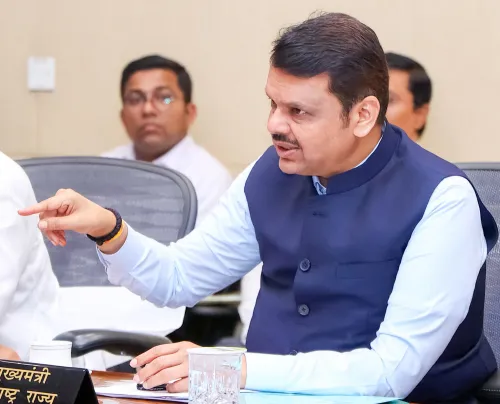
Maharashtra Chief Minister Devendra Fadnavis announced on Thursday, 21 May 2026 that the state has signed three Memoranda of Understanding with premier institutes from the Republic of Korea, positioning Maharashtra as a global skill development hub through advanced training ecosystems and digital learning platforms.
Context
Fadnavis described the agreements as 'a giant leap toward transforming Maharashtra into a global skill hub,' emphasising the integration of international expertise with local talent. The MoUs aim to create 'advanced training ecosystems, digital learning platforms, and world-class research opportunities' for Maharashtra's youth. The Chief Minister framed the objective as producing 'skilled creators and innovators ready to lead' rather than job-seekers.
Policy Backdrop
India launched its National Skill Development Mission in 2015, targeting a workforce aligned with global industry standards under the flagship Skill India programme. The India–Republic of Korea Comprehensive Economic Partnership Agreement, signed in 2009, had already laid a foundation for bilateral cooperation in education, training, and technology transfer. Maharashtra, as India's most industrialised state, has consistently pursued foreign expertise to upgrade training infrastructure under broader national frameworks including Make in India.
South Korea is recognised internationally for its high-quality vocational training systems and digital education models, making it a preferred partner for Indian states seeking to close employability gaps. India has pursued similar state-level skill partnerships with Japan and Germany, reflecting a wider pattern of sub-national diplomacy in human capital development.
Stakeholders and Impact
The primary beneficiaries are Maharashtra's youth and the state's network of skill training institutes, which stand to gain access to Korean curriculum frameworks, faculty exchange programmes, and internationally recognised certification pathways. For Maharashtra's industrial and IT sectors, a more globally competitive talent pool could strengthen the state's appeal to foreign investors already active in manufacturing and technology corridors. The agreements also signal the state government's intent to deepen bilateral ties beyond trade and into human capital.
The broader Indian skilling ecosystem could benefit if the Maharashtra model demonstrates replicable outcomes, potentially informing policy at the central level. Korean institutes, in turn, gain access to one of India's largest and most economically significant states as a partner for applied research and training deployment.
What's Next
Attention will now shift to the operationalisation of the MoUs over the next 12 to 18 months, with key milestones including curriculum integration, faculty exchange frameworks, and the establishment of pilot training centres. Progress is likely to be reviewed during future India–Korea bilateral meetings, where joint research project announcements could follow. The success of these agreements will be measured by tangible outcomes — enrolment numbers, certification rates, and industry absorption of trained graduates — rather than the signing ceremony alone.
Point of View
Fadnavis is positioning the initiative within a politically resonant narrative ahead of a period of heightened focus on youth employment. The South Korea partnership is particularly significant given Seoul's globally benchmarked vocational systems, lending the agreements credibility beyond ceremonial value. Whether the MoUs translate into measurable outcomes will depend on the rigour of implementation frameworks, which remain to be publicly detailed.
NationPress
5 Oct 2026
Frequently Asked Questions
What are the MoUs signed between Maharashtra and South Korea about?
Maharashtra signed three MoUs with premier South Korean institutes to build advanced skill training ecosystems, digital learning platforms, and research opportunities for the state's youth, as announced by Chief Minister Devendra Fadnavis on 21 May 2026.
Which Korean institutes signed MoUs with Maharashtra?
The specific names of the three South Korean institutes have not been officially confirmed in public records available at this time. Chief Minister Fadnavis described them as 'premier institutes from the Republic of Korea.'
How does this fit into India's Skill India programme?
The Maharashtra–South Korea MoUs align with India's broader National Skill Development Mission launched in 2015, which aims to create a globally competitive workforce through vocational education and international industry partnerships.
What is Maharashtra's goal in signing these skill development MoUs?
Maharashtra aims to become a global skill hub by integrating South Korean expertise with local talent, producing skilled innovators and creators rather than job-seekers, according to Chief Minister Fadnavis.
What should we watch for after these MoUs are signed?
Key developments to monitor over the next 12 to 18 months include curriculum integration, faculty exchange programmes, certification framework development, and the launch of pilot training centres under the agreements.