CM Fadnavis Slams Rahul Gandhi Over Parliament Disruptions
Synopsis
Maharashtra CM Devendra Fadnavis directly challenged Rahul Gandhi and the opposition on August 12, 2026, urging them to accept Home Minister Amit Shah's open offer for parliamentary debate and stop obstructing proceedings.
Key Takeaways
Maharashtra CM Devendra Fadnavis publicly called out Rahul Gandhi on August 12, 2026 over Parliament disruptions.
Union Home Minister Amit Shah reportedly offered to discuss any subject the opposition wished to raise in Parliament.
Fadnavis accused the opposition of being an 'obstacle in functioning of Parliament' despite the government's open offer.
The BJP has made similar public overtures across multiple sessions between 2019 and 2024 , including during the 2023 monsoon and winter sessions .
The standoff follows a recurring pattern in both Lok Sabha and Rajya Sabha of procedural gridlock between the ruling party and opposition.
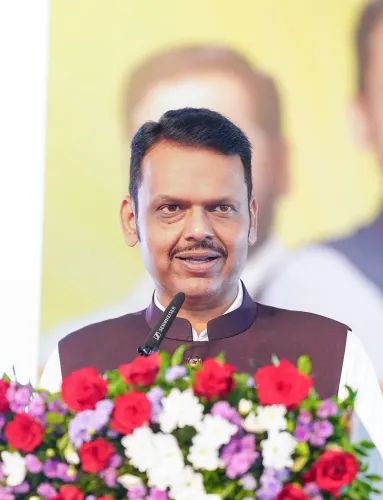
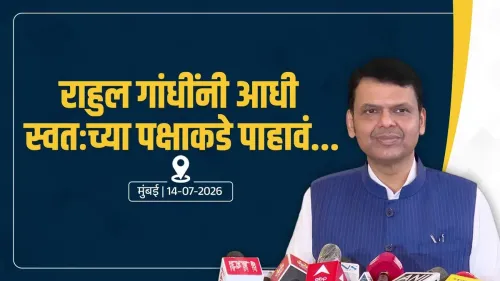
The floor of Parliament has, once again, become a battleground — not over policy, but over whether debate should happen at all. Maharashtra Chief Minister Devendra Fadnavis on Wednesday, August 12, 2026, publicly called out Rahul Gandhi and the opposition, urging them to stop obstructing parliamentary proceedings after Union Home Minister Amit Shah reportedly offered to discuss any subject the opposition wished to raise.
Shah's Open Offer and the Opposition's Response
Fadnavis framed his post as a direct challenge to the opposition's stated grievances. If the government's top law officer has extended a 'loud, clear and specific' invitation for discussion on any subject, he argued, the case for disruption collapses. The message was pointed: the stage is set, the microphone is live — so why walk out?
The BJP's position — that the opposition prefers spectacle over substance — is not new. Across multiple parliamentary sessions between 2019 and 2024, Union ministers made similar public overtures while opposition parties staged walkouts demanding procedural concessions. The pattern has repeated itself in the Lok Sabha and Rajya Sabha alike, cutting across whatever the specific flashpoint of the session happened to be.
Rahul Gandhi in the Crosshairs
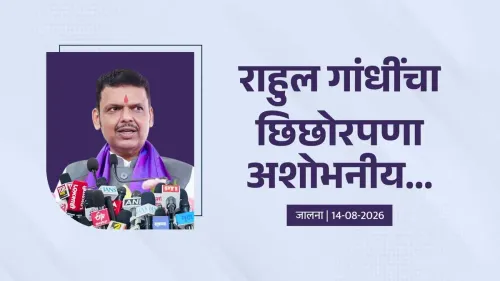
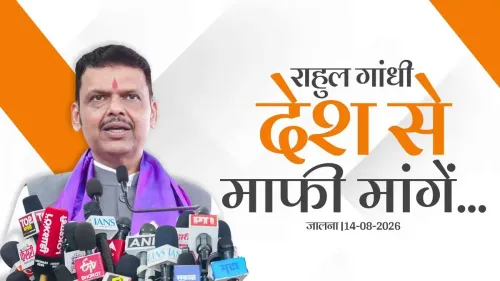
Fadnavis singled out Rahul Gandhi by name — calling him out to 'stop running away from real democratic processes.' The phrasing is deliberate. By naming the Congress leader directly rather than referencing 'the opposition' as a collective, Fadnavis personalises the accountability, casting Gandhi as the face of the obstruction rather than its victim.
Gandhi has long been the BJP's preferred political foil, and his role in leading parliamentary critiques of the government has made him a recurring target of such broadsides. The reference to 'drama king' in Fadnavis's post sharpens the attack into a character critique — not just a procedural complaint.
A Recurring Standoff, a Familiar Script
India's Parliament has seen this play before. During the 2023 monsoon and winter sessions, disruptions over the Manipur situation prompted near-identical public statements from BJP leaders urging the opposition to debate rather than protest. The government's offer of open discussion, the opposition's insistence on specific procedural conditions, and the resulting gridlock have become a predictable cycle.
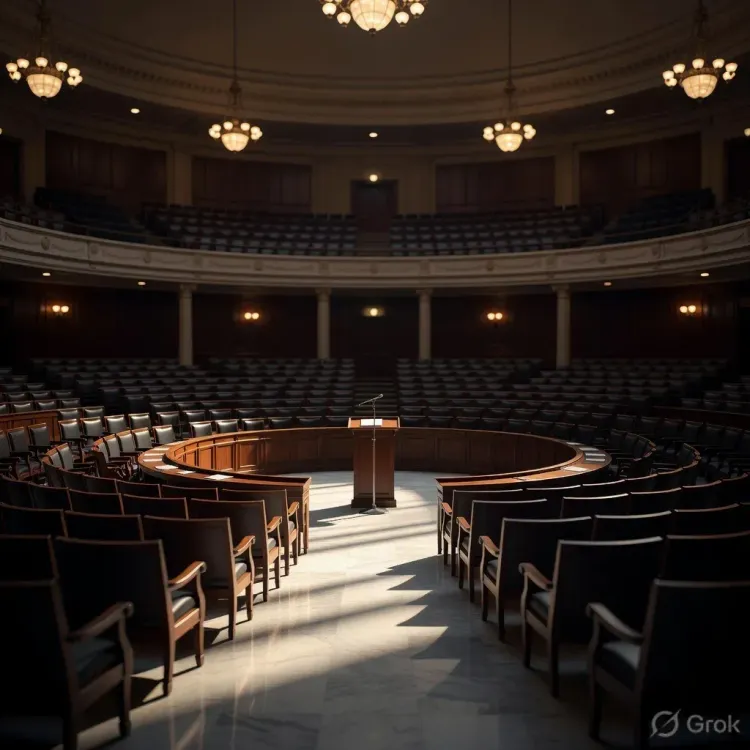
What changes each session is the specific grievance. What does not change is the choreography — and both sides know their lines well. The real question is whether this session ends with structured debate or another procedural standoff that leaves voters watching an empty chamber.
Point of View
The message is calibrated to shift the optics of parliamentary dysfunction from the government to the Congress. The broader arc here is the BJP's sustained effort to frame opposition protest tactics as anti-democratic rather than adversarial — a framing that has intensified since 2019. Whether it lands depends entirely on whether the session that follows produces debate or more deadlock.
NationPress
27 Sept 2026
Frequently Asked Questions
Why did CM Devendra Fadnavis target Rahul Gandhi over Parliament?
Fadnavis accused Rahul Gandhi and the opposition of obstructing Parliament even after Home Minister Amit Shah offered to hold discussions on any subject of the opposition's choosing.
What did Amit Shah offer the opposition in Parliament?
According to Fadnavis's post, Amit Shah made a 'loud, clear and specific' offer to discuss any subject the opposition wished to raise during the parliamentary session.
What is the BJP's position on opposition walkouts in Parliament?
The BJP has consistently argued that the opposition prefers protest and walkouts over genuine debate, and has repeatedly made public offers of open discussion to counter this narrative.
Has this kind of Parliament standoff happened before in India?
Yes. Similar disruptions and government offers of debate occurred during the 2023 monsoon and winter sessions over the Manipur situation, and across multiple sessions between 2019 and 2024.
What happens if the Parliament standoff continues?
A continued standoff would likely result in another session ending without structured debate, deepening the cycle of procedural gridlock that has characterised recent parliamentary sessions.