CM Fadnavis Transfers ₹5029 Cr to 6.22 Lakh Farmers Under Loan Waiver Yojana
Synopsis
Maharashtra CM Devendra Fadnavis has confirmed the first phase of the Punyashlok Ahilyadevi Holkar Shetkari Karjmukti Yojana 2026, with ₹5,029 crore wired directly to 6,22,207 farmers via a fully online, Aadhaar-linked process. Banks have been directed to immediately release fresh Kharif crop loans to beneficiaries.
Key Takeaways
₹5,029 crore transferred directly to 6,22,207 eligible farmers in the scheme's first phase.
The scheme is fully online — no application forms required; each farmer receives a unique identification number .
Eligibility is verified through AgriStack registration and Aadhaar authentication at Aaple Sarkar Seva Kendra centres.
CM Fadnavis directed all banks to immediately disburse fresh Kharif crop loans to waiver beneficiaries.
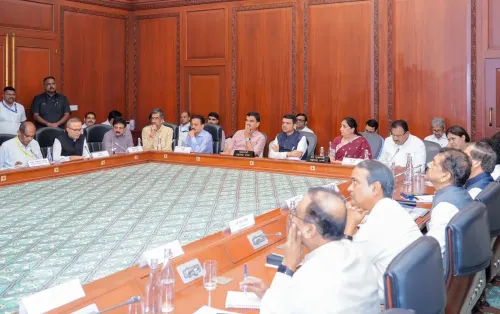
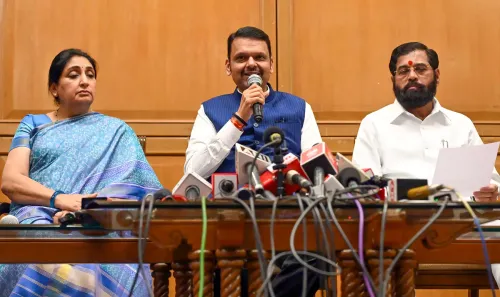
The meeting was attended by Deputy CM Sunetra Pawar , seven cabinet ministers, and Guardian Ministers from multiple districts.
The scheme follows Maharashtra's earlier farm-loan relief in 2017 , continuing the state's pattern of pairing debt waivers with digital delivery reforms.
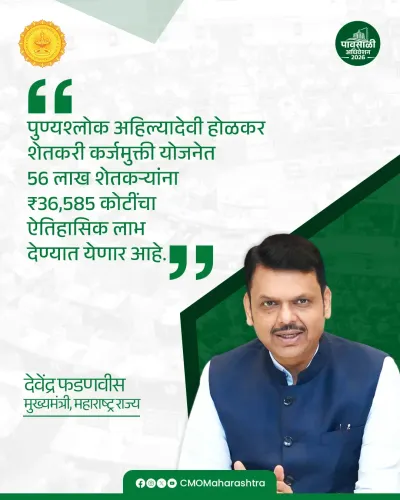
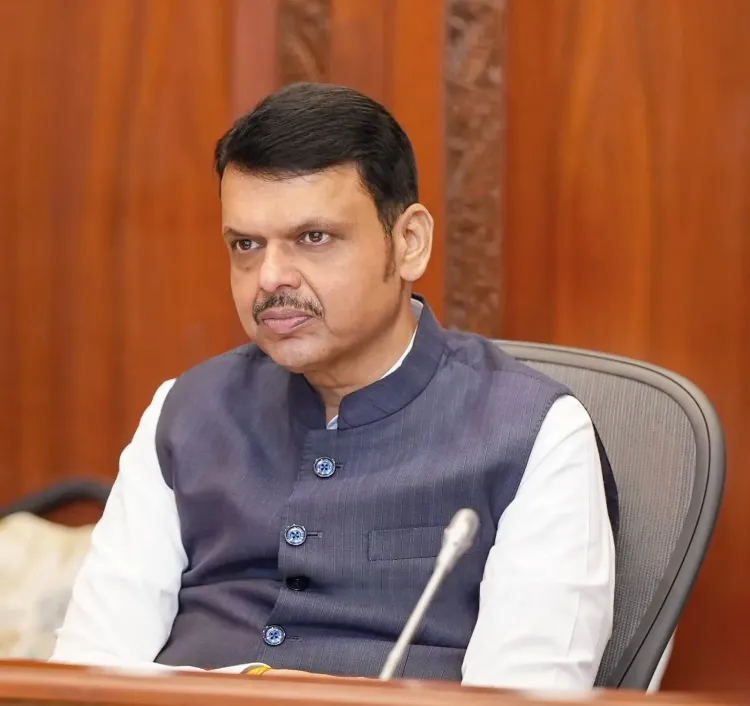
A landmark farm-loan waiver just moved from promise to payment. Maharashtra Chief Minister Devendra Fadnavis on Friday, 7 August 2026 chaired a high-level review of the Punyashlok Ahilyadevi Holkar Shetkari Karjmukti Yojana 2026 in Mumbai, confirming that the scheme's first phase has delivered ₹5,029 crore directly into the bank accounts of 6,22,207 eligible farmers — entirely online, entirely without a paper application.
₹5,029 Crore Wired — No Forms, No Queue
The headline number is striking, but the delivery mechanism may matter just as much. Unlike earlier relief cycles that demanded farmers navigate bureaucratic paperwork, the 2026 scheme is built around a fully automated pipeline: every eligible farmer is assigned a unique identification number, completes AgriStack registration and Aadhaar authentication at the nearest Aaple Sarkar Seva Kendra, and receives the benefit directly — no middleman, no discretion, no delay.
AgriStack, the national digital agriculture data platform rolled out from 2021 onward, sits at the heart of this architecture. By anchoring eligibility to a verified farmer identity, the state aims to close the leakage gaps that plagued earlier debt-relief programmes across India.
Fresh Kharif Credit: The Next Hurdle
Fadnavis used the review meeting to direct all banks to immediately disburse fresh Kharif crop loans to farmers who have already benefited under the waiver. The instruction targets a well-documented trap: farmers who receive a waiver but cannot access new credit end up back in informal debt before the next harvest. The directive puts banks on notice that the state expects the relief cycle to translate into productive agricultural activity, not just a one-time balance-sheet clearance.
Deputy Chief Minister Sunetra Pawar, along with ministers Girishbhau Mahajan, Sanjay Sawkare, Pankajatai Munde, Shambhuraj Desai, Dattatray Bharane, Babasaheb Patil, Minister of State Meghnatai Bordikar, and Guardian Ministers from multiple districts were present at the meeting — a signal of the political weight the ruling dispensation is placing on farmer welfare ahead of the 2026 agricultural season.
Maharashtra's Recurring Bet on Debt Relief
This is not the state's first wager on farm-loan waivers. Maharashtra announced a large-scale relief package as far back as 2017 under Fadnavis's earlier tenure, a move driven by acute agrarian distress in Vidarbha and Marathwada. The recurring pattern — relief, followed by fresh credit push, followed by digital-delivery reform — reflects a structural challenge: Maharashtra's farming economy remains vulnerable to rainfall variability and commodity price swings, making periodic state intervention politically inevitable and administratively complex.
The 2026 scheme, named after the revered 18th-century queen Ahilyabai Holkar, adds a layer of symbolic weight to what is essentially a fiscal transfer. The real test, as always, will be whether the fresh Kharif loans reach farmers in time for sowing — and whether AgriStack registrations at Aaple Sarkar centres keep pace with demand in the weeks ahead.
Point of View
The Fadnavis government is aligning state welfare delivery with the Centre's broader DBT architecture, a politically safe and administratively defensible choice. The real political dividend, however, hinges on bank compliance: if fresh Kharif loans do not reach farmers before the sowing window closes, the waiver risks being remembered as relief that stopped halfway. With a powerful ministerial contingent at the review table, the government is clearly treating this as a high-visibility commitment — one where execution failure carries direct electoral cost.
NationPress
22 Sept 2026
Frequently Asked Questions
What is the Punyashlok Ahilyadevi Holkar Shetkari Karjmukti Yojana 2026?
It is a Maharashtra state farm loan waiver scheme launched in 2026 that transfers debt relief directly to eligible farmers' bank accounts through a fully online, Aadhaar-linked process — no paper application required.
How much money has been transferred to farmers under the scheme so far?
In the first phase, ₹5,029 crore has been transferred directly to the bank accounts of 6,22,207 eligible farmers.
How do farmers register for the Ahilyadevi Holkar Karjmukti Yojana?
Farmers use their unique identification number assigned under the scheme to complete AgriStack registration and Aadhaar authentication at their nearest Aaple Sarkar Seva Kendra — no separate application is needed.
What is AgriStack and why is it used in this scheme?
AgriStack is a national digital platform for agriculture data, used here to verify farmer identities and establish eligibility, ensuring transparent and leakage-free benefit delivery.
Will farmers who received the loan waiver also get new crop loans?
Yes. CM Fadnavis has directed all banks to immediately disburse fresh Kharif crop loans to farmers who have benefited under the waiver, so they can fund agricultural activities without delay.