Fatal Lift Incident at R.G. Kar: A Reflection on Administrative Failures in West Bengal's Health Sector
Synopsis
A tragic lift accident at R.G. Kar Medical College claims a visitor's life, reigniting concerns over West Bengal's public health system. As elections approach, political dynamics shift, but public outrage seems muted. What does this mean for accountability in healthcare?
Key Takeaways
Tragic Lift Accident : A visitor's death raises safety concerns.
Political Dynamics : Shift in public response due to political affiliations.
Public Hospital Accountability : Ongoing issues in infrastructure and management.
Welfare Programs : Government initiatives influencing voter behavior.
Impact on Elections : The incident may affect public sentiment ahead of elections.
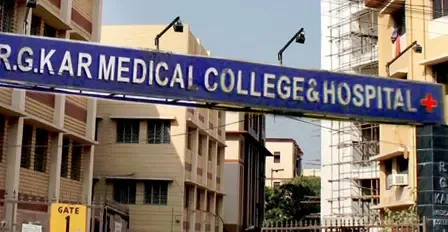
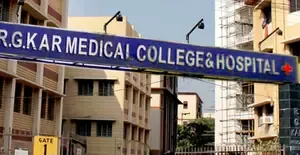
Kolkata/New Delhi, March 21 (NationPress) A tragic incident occurred at Kolkata's R.G. Kar Medical College and Hospital, where a 40-year-old visitor lost his life in a bizarre lift accident early on Friday. This event has reignited discussions regarding administrative failures and criminal negligence that purportedly compromise the quality of services at West Bengal’s esteemed public health facilities.
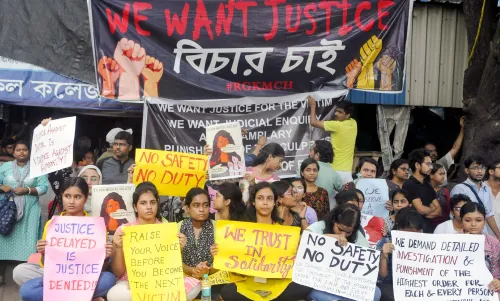
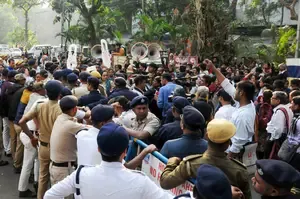
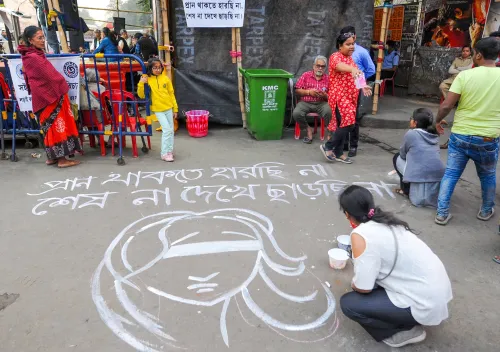
The recent accident has once again highlighted concerns about the infrastructure, safety, and accountability of public hospitals in West Bengal. It brings back memories of the August 2024 incident involving the tragic rape and murder of a young doctor at the same location, which sparked widespread protests across the state.
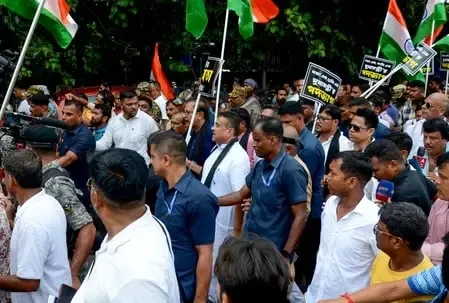
Unlike the previous protests, the response this time has been relatively subdued, with the administration acting quickly after the incident, although top officials at the hospital have yet to face scrutiny.
Notably, speculation has arisen that the victim was a supporter of the Trinamool Congress, potentially dampening opposition mobilization.
The day before this incident, the mother of the doctor who was a victim in 2024 expressed her intention to run for office as a BJP candidate, which may have deterred previous protest participants.
This political shift, following the family's announcement of their alignment with the BJP, has diminished broader civic unity.
With Assembly elections approaching on April 23 and 29, and results due on May 4, the West Bengal government’s focus on welfare and minority protection appears to overshadow episodic public outrage.
The ongoing conflicts regarding the Election Commission’s Special Intensive Revision (SIR) of electoral rolls have also emerged as significant emotional drivers.
Yet, the lift accident has once again raised pressing questions about public hospital infrastructure, safety, and accountability within the state.
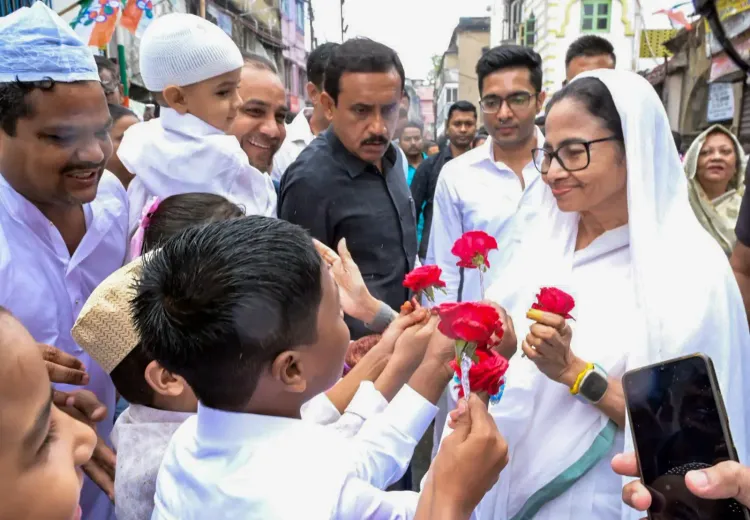
Chief Minister Mamata Banerjee, the leader of the Trinamool Congress, has maintained significant support among two key groups – 'Mahila' (women) and minorities – primarily through welfare programs, symbolic leadership, and strategic political positioning.
Since taking direct control of the health department after the 2024 incident at R.G. Kar Medical College and Hospital, public backlash has notably lessened, adding another 'M' for medical.
The heartbreaking death of the hospital visitor, witnessed by his wife and three-year-old son who were seeking medical help, has failed to evoke strong emotions in Bengal.
The family was trapped for an hour in a patient-designated lift, and reports indicate that the victim was discovered stuck between the lift doors while attempting to escape, with his wife and child suffering only minor injuries.
Ironically, women such as the victim’s wife form nearly half of the electorate, and surveys indicate that a significant majority support the Trinamool Congress, making them a crucial voting bloc for Mamata.
The government’s flagship initiatives, such as Kanyashree, which provides financial assistance to girls for education, have benefitted around 10 million students.
Additionally, the Rupashree scheme offers Rs. 25,000 to women during marriage, positively impacting over 22 lakh families.
In its 2026 manifesto, the Trinamool has pledged Rs. 1,500 monthly for unemployed youth and women in the general category, effectively transforming women from passive voters into active political participants.
Women now perceive Mamata as a protector of dignity, education, and financial security.
Moreover, Muslims, who comprise over 30% of West Bengal's population, have also gained from various financial aid programs.
Mamata has established herself as a champion of minority rights, consistently opposing NRC, CAA, and now, SIR.
Her use of Urdu in public speeches, participation in Eid celebrations, and targeted welfare in minority-dominant regions bolster her image as a proponent of pluralism.
Furthermore, the party has included healthcare, housing, and employment support in its electoral promises, specifically for marginalized groups.
Conversely, narratives tend to portray incidents like Friday’s accident as administrative failures rather than indicative of a systemic breakdown, while her welfare-driven legitimacy hampers the Opposition BJP’s ability to turn public outrage into large-scale movements.
From 2011 to 2026, the Trinamool has strategically cultivated a coalition of women and minorities via welfare initiatives and adept political maneuvering. As West Bengal approaches the 2026 elections, the '2M' factor remains pivotal in Mamata’s sustained dominance.
Point of View
It is crucial to highlight the ongoing challenges facing West Bengal's public health sector, particularly in light of recent tragic events. While administrative responses have been prompt, the broader implications for accountability and public trust remain in question, especially as political dynamics shift with impending elections.
NationPress
24 Sept 2026
Frequently Asked Questions
What happened at R.G. Kar Medical College?
A 40-year-old visitor died in a lift accident while seeking medical care, raising concerns about safety and administrative oversight.
How has the public reacted to the incident?
The public response has been relatively subdued compared to past incidents, likely influenced by political dynamics.
What are the implications for West Bengal's health sector?
The incident highlights ongoing issues of infrastructure and accountability within the state's public health system.
How is the government responding to the incident?
The administration acted swiftly after the incident, but key hospital officials have yet to face scrutiny.
What is the political context surrounding this incident?
With upcoming elections, the political landscape is shifting, potentially impacting public outrage and accountability.