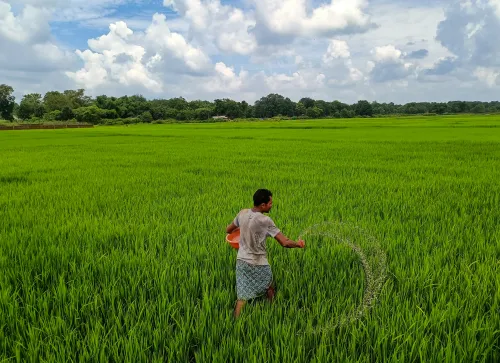
Fertiliser price hike squeezes Tamil Nadu farmers as cultivation costs surge
Synopsis
A sharp hike in fertiliser prices — including NPK, potash, and complex fertilisers — is pushing Tamil Nadu farmers to the edge, with many small landholders reportedly scaling back cultivation plans. With input costs already elevated across seeds, labour, and irrigation, farmer groups are demanding urgent intervention from both the state and the Centre before the current agricultural season is lost.
Key Takeaways
Farmers across Tamil Nadu have raised alarm over a recent hike in fertiliser prices , warning of steeper cultivation costs this season.
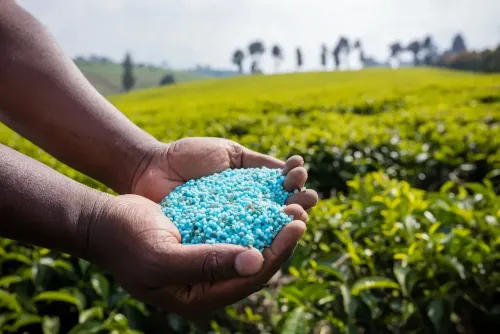
Prices of NPK mixtures , complex fertilisers , and potash have all registered substantial increases in recent revisions.
Small and marginal farmers dependent on borrowed capital are reportedly scaling back crop plans due to financial uncertainty.
Agricultural organisations have called on both the Tamil Nadu government and the Centre to intervene and stabilise input prices.
Rising costs across seeds , labour , irrigation , and machinery have compounded the pressure from the fertiliser hike.
Farmers across Tamil Nadu are facing mounting financial pressure following a recent hike in fertiliser prices, with agricultural organisations warning that the revision could significantly escalate cultivation costs during the current farming season. The increase comes at a time when the farming community is already contending with rising expenses across nearly every input category.
Rising Input Costs Across the Board
According to agricultural representatives, the cost of cultivation has been climbing steadily due to higher prices for seeds, labour, irrigation, machinery, and other essential farm inputs. The latest fertiliser price revision adds another layer of financial strain on top of an already stressed cost structure.
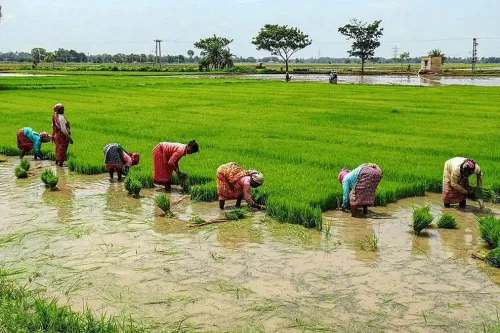
Fertilisers including NPK mixtures, complex fertilisers, potash, sulphates, and phosphatic nutrients are widely used across major crops such as paddy, sugarcane, vegetables, and horticultural produce. Recent revisions have seen NPK fertiliser prices rise sharply, while rates for complex fertilisers and potash have also registered substantial increases, according to reports.
Impact on Small and Marginal Farmers
Based on prevailing financing norms, farmers are already spending thousands of rupees per acre to cultivate major crops. Agricultural groups warn that the cumulative impact of these hikes could lead to a steep escalation in overall production expenditure, directly reducing farm incomes and profit margins.
The situation is particularly acute for small landholders and those dependent on borrowed capital. Many farmers are reportedly reassessing the scale of cultivation they can undertake this season, creating uncertainty over crop planning and agricultural output.
What Farmer Groups Are Demanding
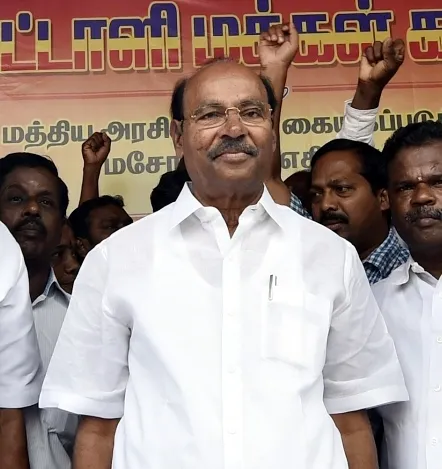
Agricultural organisations have urged both the Tamil Nadu state government and the Centre to intervene and stabilise fertiliser prices. They argue that affordable access to key agricultural inputs is fundamental to sustaining farm productivity and ensuring broader food security.
Notably, this concern is not new — farmer bodies have repeatedly flagged the erosion of margins due to rising input costs over successive seasons, even as market returns from produce have remained volatile and uncertain.
The Broader Policy Challenge
With cultivation expenses continuing to climb and price realisations from agricultural produce remaining unpredictable, farming communities across Tamil Nadu are calling for immediate policy support. They maintain that controlling input costs is crucial to safeguarding rural livelihoods and sustaining investment in agriculture across the state.
The pressure on farmers underscores a wider structural challenge in Indian agriculture: the widening gap between input costs and output prices, which critics argue has long undermined the viability of small-scale farming. How quickly the state and Central governments respond could determine the extent of acreage under cultivation in the coming season.
Point of View
Leaving farmers exposed on both ends. Subsidies have historically cushioned the blow, but their reach and timeliness have been inconsistent. The fact that small landholders are already reconsidering their crop plans before the season begins signals a real risk of acreage contraction — which, if widespread, could feed into food price pressures down the line. The Centre's fertiliser subsidy framework needs a sharper targeting mechanism; blanket price controls have their own distortions, but leaving input costs entirely to the market while output prices remain suppressed is not a neutral policy choice.
NationPress
21 Oct 2026
Frequently Asked Questions
Why are Tamil Nadu farmers concerned about fertiliser prices?
Tamil Nadu farmers are worried because a recent hike in fertiliser prices — including NPK, complex fertilisers, and potash — is set to significantly raise cultivation costs that are already under pressure from rising expenses on seeds, labour, and irrigation. Many small and marginal farmers fear they will not be able to sustain their current scale of farming.
Which fertilisers have seen price increases?
Prices of NPK mixtures, complex fertilisers, potash, sulphates, and phosphatic nutrients have all risen in the latest revision, according to agricultural organisations. These inputs are widely used across crops including paddy, sugarcane, vegetables, and horticultural produce.
Who is most affected by the fertiliser price hike?
Small and marginal farmers, particularly those operating on borrowed capital or limited landholdings, are most vulnerable. Many are reportedly reassessing how much land they can afford to cultivate this season, raising concerns about reduced agricultural output.
What are farmer groups demanding from the government?
Agricultural organisations have urged both the Tamil Nadu state government and the Centre to intervene and stabilise fertiliser prices. They argue that affordable access to inputs is essential for farm productivity and food security, and are calling for immediate policy measures to prevent further financial stress.
How does the fertiliser hike connect to broader agricultural challenges in India?
The hike highlights a long-standing structural issue in Indian agriculture — a widening gap between rising input costs and uncertain output prices. Farmer groups argue this trend has been eroding margins over successive seasons, making it increasingly difficult to sustain investment in farming activities.