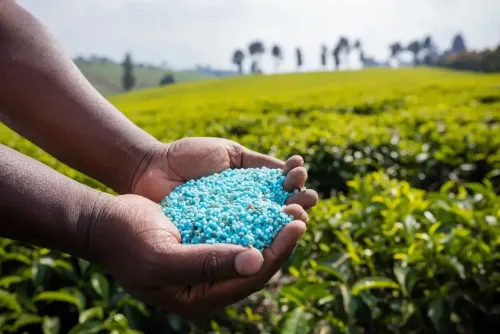
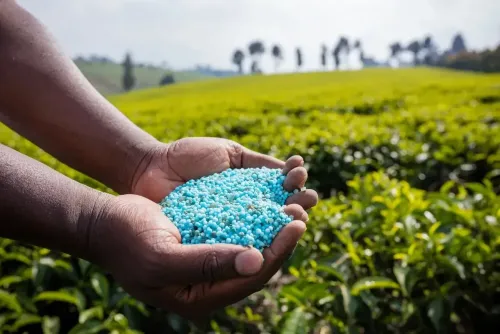
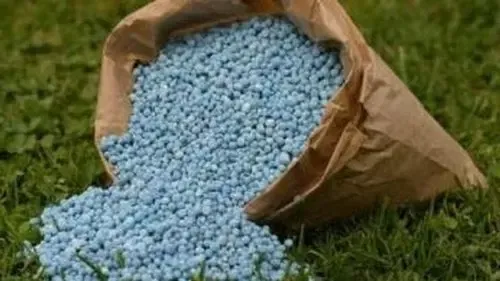
Fertiliser price hike hits Tamil Nadu farmers ahead of Aadi Pattam season
Synopsis
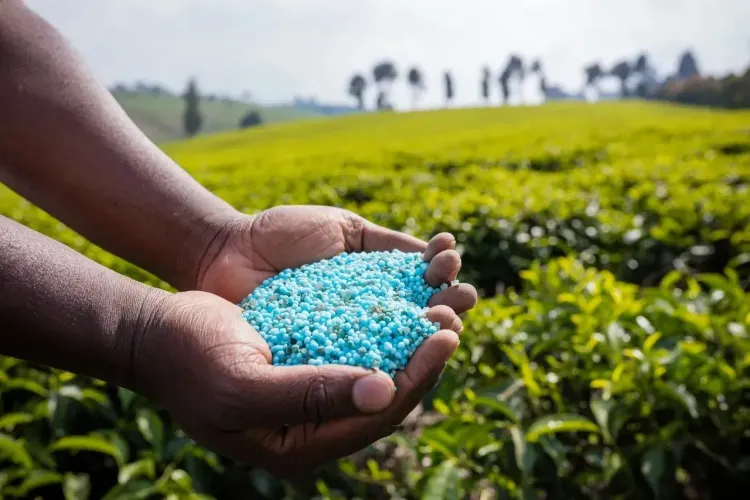
Tamil Nadu farmers are heading into the Aadi Pattam and Kuruvai sowing seasons facing fertiliser price hikes of up to 47% — potash up ₹400, factomfos up ₹600 — in a matter of weeks. The real story is structural: a policy shift away from MRP-based subsidies has left farmers directly exposed to global commodity swings, with no buffer in sight.
Key Takeaways
Potash prices have risen from ₹1,800 to ₹2,200 per bag; factomfos from ₹1,500 to ₹2,100 between late May and June 2025.
Ammonium sulphate is up from ₹950 to ₹1,400 ; super phosphate from ₹600 to ₹800 .
Only urea and DAP continue to receive extensive government price support; subsidies on other fertilisers are now fixed, exposing farmers to global price swings.
Farmer organisations have urged the Centre to restore MRP-based subsidy support and the Tamil Nadu government to raise MSP for produce.
The 'Khet Bachao Abhiyan' , launched on 1 June , is promoting organic alternatives but has not addressed immediate cost pressures.
A sharp rise in chemical fertiliser and pesticide prices across Tamil Nadu has deepened concerns among farming communities, with cultivators warning that surging input costs could severely strain agricultural operations ahead of the critical Aadi Pattam and Kuruvai cropping seasons. The price increases, recorded between late May and June 2025, have hit farmers in the Cauvery delta and other key agricultural belts at the worst possible time — just as seasonal sowing preparations begin.
How Much Prices Have Risen
According to farmer organisations, the cost of potash has climbed from ₹1,800 to ₹2,200 per bag, while super phosphate has gone up from ₹600 to ₹800. The complex fertiliser factomfos has jumped from ₹1,500 to ₹2,100, and ammonium sulphate has risen from ₹950 to ₹1,400. These increases range from 33% to 47% within a matter of weeks, placing a disproportionate burden on small and marginal cultivators who operate on thin margins.
Why Farmers Are Now More Exposed
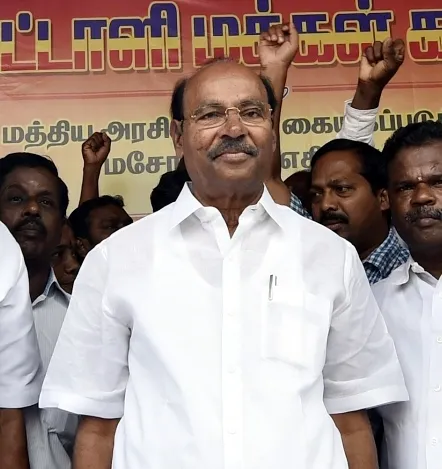
K. Balakrishnan, Secretary of the agricultural wing of Kausika Neerkarangal, pointed to a structural shift in the fertiliser subsidy mechanism as the root cause. He noted that until a few years ago, the Union government maintained Maximum Retail Prices (MRP) for most fertilisers and absorbed global price increases through direct subsidies to manufacturers.
'Farmers were largely insulated from international price volatility under the earlier system. Now, only urea and DAP continue to receive extensive price support, while subsidies for several other fertilisers are fixed. As a result, any increase in global prices is directly reflected in retail prices paid by farmers,' Balakrishnan said.
This policy shift means that fluctuations in international commodity markets — driven by factors entirely outside the control of Indian farmers — now translate almost immediately into higher costs at the farm gate. Farmer representatives fear the additional burden could push many small and marginal cultivators into debt ahead of the sowing season.
What Farmer Organisations Are Demanding
Agricultural groups have urged the Centre to restore stronger subsidy support and stabilise fertiliser prices. They have also called on the Tamil Nadu government to raise Minimum Support Prices (MSP) for agricultural produce and promote farming practices that reduce dependence on chemical inputs.
In addition, organisations have sought greater emphasis on sustainable farming, recommending training programmes to help farmers produce low-cost organic inputs on their own farms. They have called for agricultural extension officers to be trained by institutions including the Indian Council of Agricultural Research (ICAR) and Tamil Nadu Agricultural University (TNAU).
Government Response and Ongoing Initiatives
Agriculture Department officials acknowledged the fertiliser price increases, attributing them largely to prevailing global market conditions. While officials noted that direct price regulation remains difficult, they said awareness campaigns under the 'Khet Bachao Abhiyan' — launched on 1 June — are encouraging farmers to adopt organic alternatives and reduce reliance on chemical fertilisers.
This comes amid a broader national conversation about agricultural input costs, with farm distress a persistent concern in several states heading into the Kharif season. With sowing activities set to gather pace in the coming weeks, farmers say timely intervention is essential to prevent rising cultivation costs from undermining agricultural productivity and rural livelihoods.
Point of View
The Centre has effectively made Indian farmers price-takers in a volatile global commodity market. The 'Khet Bachao Abhiyan' is a long-term behavioural nudge, not a short-term cost relief measure, and framing it as a response to the current crisis is misleading. With small and marginal farmers already carrying debt, a 33–47% input cost spike in weeks could depress sown area this season — a downstream risk to food output that neither the Centre nor the state government appears to be pricing in.
NationPress
29 Jul 2026
Frequently Asked Questions
By how much have fertiliser prices risen in Tamil Nadu?
Key fertiliser prices in Tamil Nadu have risen between 33% and 47% since late May 2025. Potash is up from ₹1,800 to ₹2,200 per bag, factomfos from ₹1,500 to ₹2,100, ammonium sulphate from ₹950 to ₹1,400, and super phosphate from ₹600 to ₹800.
Why are fertiliser prices rising for Tamil Nadu farmers?
According to farmer organisations, a shift in the Union government's subsidy policy is the primary cause. Previously, MRP-based subsidies shielded farmers from global price volatility; now only urea and DAP receive extensive support, meaning global price increases pass directly to farmers.
Which cropping seasons are most at risk?
The Aadi Pattam and Kuruvai cropping seasons are most immediately at risk, as farmers in the Cauvery delta and other agricultural regions are currently preparing for sowing. Rising input costs at this stage could reduce planted area and push marginal farmers into debt.
What are farmer organisations demanding?
Farmer groups have urged the Centre to restore MRP-based fertiliser subsidies and have called on the Tamil Nadu government to raise MSP for agricultural produce. They have also sought training programmes for organic input production and capacity-building of extension officers through ICAR and TNAU.
What is the government doing about the fertiliser price rise?
Agriculture Department officials have attributed the increases to global market conditions and said direct price regulation is difficult. The government has launched the 'Khet Bachao Abhiyan' since 1 June to promote organic farming alternatives, though this does not directly address the immediate cost burden on farmers.