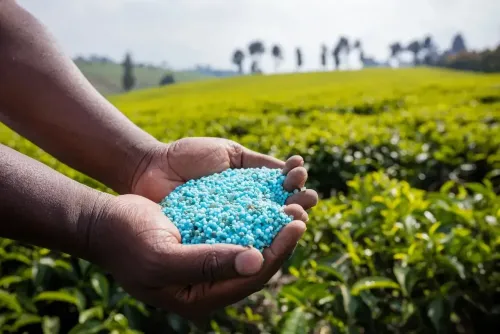
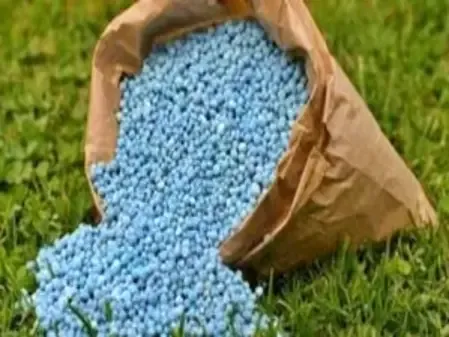
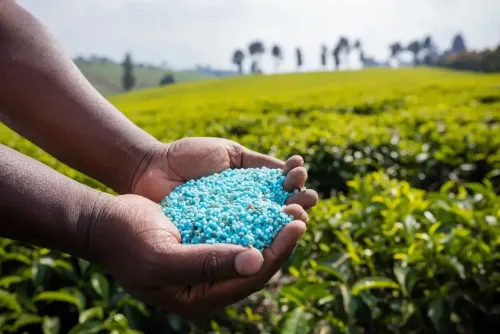
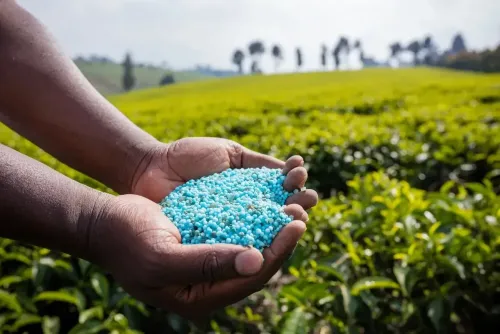
Fertiliser subsidy bill to rise ₹15,000 crore amid West Asia crisis
Synopsis
India's fertiliser subsidy bill is set to jump by ₹15,000 crore in just one quarter as the West Asia crisis reroutes supply chains and inflates import costs. With the government holding MRP steady and stocks at 51% of kharif demand, the fiscal hit is real — but so is the political calculus of keeping farmers insulated ahead of a critical sowing season.
Key Takeaways
India's fertiliser subsidy bill is projected to rise by ₹15,000 crore in the April–June quarter of 2025–26 due to the West Asia crisis .
Additional Secretary Aparna S.
Sharma confirmed the rise on 18 May but declined to specify the percentage increase.
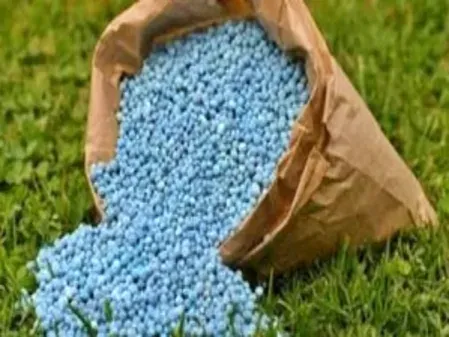
Current fertiliser stocks stand at 200.9 lakh tonne , covering more than 51% of the 390 lakh tonne kharif requirement.
Domestic production is running at approximately 80,000 tonnes per day , slightly below last year's pace.
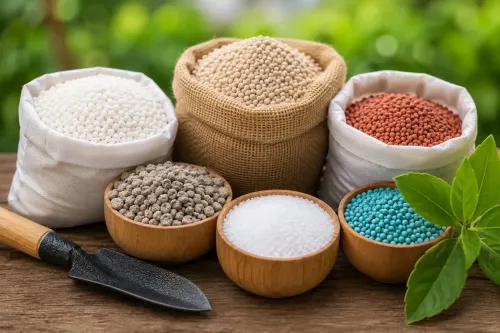
Indian companies have launched global tenders for 12 LMT of DAP , 4 LMT of TSP , and 3 LMT of ammonium sulphate .
The government confirmed no change in MRP for major fertilisers, shielding farmers from import cost pass-through.
India's fertiliser subsidy bill is set to climb by approximately ₹15,000 crore in the April–June quarter of 2025–26, as the ongoing West Asia crisis drives up import costs and forces the government to reroute procurement away from traditional supply corridors. The projection, cited by a source familiar with the matter, underscores the fiscal pressure building on the Centre even as it works to shield farmers from price shocks.
Government Confirms Rise, Holds Back Figures
Aparna S. Sharma, Additional Secretary in the Department of Fertilisers, confirmed on Monday, 18 May that the subsidy outgo will increase, though she declined to quantify the percentage rise. 'The subsidy bill will go up, but by what percentage is something I cannot say,' she said. Subsidy payments are currently being cleared on a weekly basis through the Integrated Fertiliser Management System to maintain supply chain liquidity.
Kharif Supply Remains Comfortable Despite Disruptions
Despite the cost pressures, Sharma said fertiliser availability for the 2026 kharif season remains stable. Current stocks stand at 200.9 lakh tonne — exceeding 51 per cent of the total seasonal requirement of 390 lakh tonne. This is a sharp improvement over the usual buffer of approximately 33 per cent at this time of year, reflecting improved advance stocking and logistics management. 'Overall, the situation remains strong, stable and comfortable,' Sharma remarked.
Domestic production is running at roughly 80,000 tonnes per day. Output since the onset of the West Asia crisis stands at 86.2 lakh tonne — slightly below the 93 lakh tonne recorded during the same period last year. Sufficient gas supply is available for urea plants, officials confirmed.
Import Rerouting and Global Tenders
India has been sourcing fertiliser imports from regions outside the Strait of Hormuz, with approximately 22 lakh tonne imported through diversified channels so far. To pre-empt shortages during peak demand, Indian fertiliser companies have launched aggregated global tenders for 12 lakh metric tonne (LMT) of DAP, 4 LMT of TSP, and 3 LMT of ammonium sulphate. Tenders for raw materials — including 5.36 LMT of ammonia and 5.94 LMT of sulphur — are also in progress. Around 7 LMT of NPKs secured from outside the Strait of Hormuz are expected to arrive at Indian ports through May and June.
No MRP Hike for Farmers
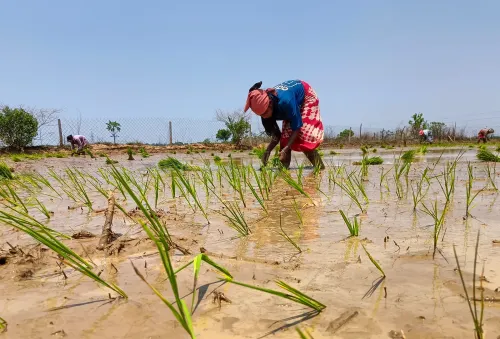
In a significant relief for the farming community, the government has confirmed there is no change in the Maximum Retail Price (MRP) of major fertilisers. The Centre is absorbing the additional import cost through the subsidy mechanism rather than passing it on to end users. The Empowered Group of Secretaries has held eight meetings so far to navigate availability challenges and ensure uninterrupted supply at affordable rates.
What to Watch
The ₹15,000 crore uptick in the April–June quarter alone raises questions about the full-year fertiliser subsidy budget, which was already elevated following post-pandemic input cost surges. Analysts will watch whether the West Asia situation stabilises before the rabi sowing season later in the year, which could determine whether the subsidy pressure compounds further. The Department of Fertilisers has said it will continue reviewing input availability regularly.
Point of View
000 crore jump in a single quarter is not a rounding error — it is a structural signal that India's fertiliser import dependency remains a live fiscal risk every time a geopolitical crisis strikes a key supply corridor. The government is right to hold MRP steady ahead of kharif sowing, but the cost of that political choice lands squarely on the subsidy budget. What is missing from official communication is a credible medium-term plan to reduce exposure to Strait of Hormuz-routed imports, which have been a vulnerability for years. Eight meetings of the Empowered Group of Secretaries is process; diversified sourcing and domestic capacity expansion is strategy — and the latter needs sharper articulation.
NationPress
26 Sept 2026
Frequently Asked Questions
Why is India's fertiliser subsidy bill rising in 2025?
The fertiliser subsidy bill is set to rise by approximately ₹15,000 crore in the April–June 2025–26 quarter because the West Asia crisis has disrupted traditional import routes and pushed up procurement costs. The government is absorbing the additional cost through the subsidy mechanism rather than raising farmer prices.
Will fertiliser prices increase for farmers?
No. The government has confirmed there is no change in the Maximum Retail Price (MRP) of major fertilisers. Farmers will continue to receive fertilisers at existing rates despite the higher import costs.
How much fertiliser stock does India currently hold?
India currently holds approximately 200.9 lakh tonne of fertiliser stocks, covering more than 51 per cent of the total kharif seasonal requirement of 390 lakh tonne — well above the usual buffer of around 33 per cent at this time of year.
How is India managing fertiliser imports amid the West Asia crisis?
India has rerouted imports away from the Strait of Hormuz, sourcing from alternative regions. Around 22 lakh tonne has been imported through diversified channels so far, and Indian companies have launched global tenders for DAP, TSP, ammonium sulphate, ammonia, and sulphur.
What is the Empowered Group of Secretaries doing to address the situation?
The Empowered Group of Secretaries has held eight meetings to date to manage fertiliser availability challenges and ensure uninterrupted supply to farmers at affordable prices during the West Asia crisis.