Fertiliser prices: Centre absorbs full cost burden to protect farmers, says Goyal
Synopsis
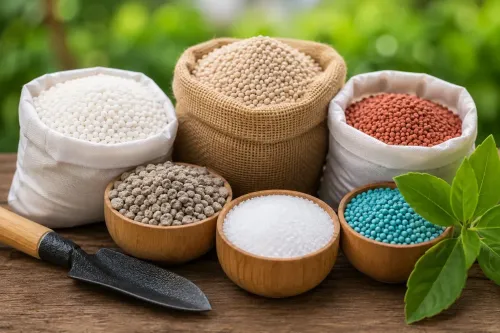
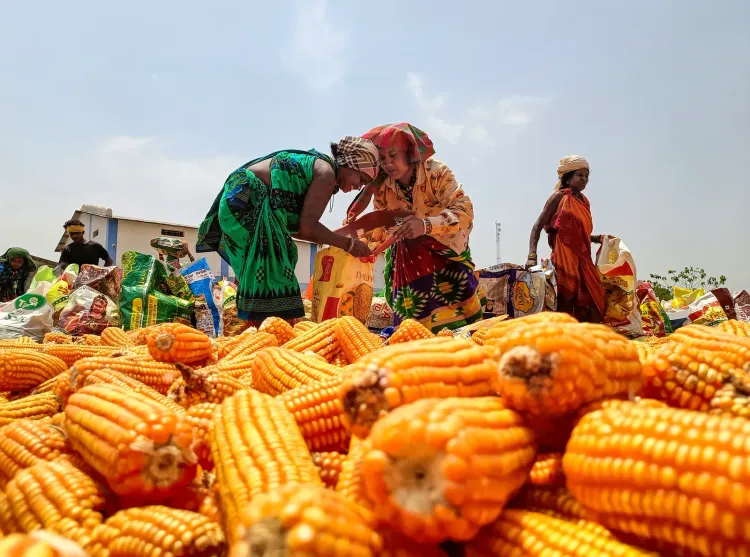
While global fertiliser prices remain elevated, Indian farmers are not feeling the pinch — the Centre is absorbing the entire cost. With stocks at 199.65 LMT covering 51% of seasonal demand, far above the usual 33% buffer, the government is betting that supply security and price shielding together can insulate agriculture ahead of the kharif season.
Key Takeaways
Commerce Minister Piyush Goyal confirmed on 23 May that elevated global fertiliser prices have not been passed on to farmers — the Central Government is bearing the full cost.
India’s current fertiliser stock stands at 199.65 LMT , covering more than 51% of seasonal demand, up sharply from the usual 33% buffer.
Domestic production and imports were scaled up to add approximately 97 LMT to total availability; domestic output alone contributed 76.78 LMT .
Goyal cited 12 years of structural reforms and nine FTAs as drivers of India’s economic resilience.
A proposed India-Canada FTA is expected to unlock significant mutual investment opportunities.
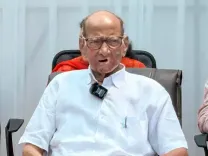
Commerce and Industry Minister Piyush Goyal on Saturday, 23 May stated that the elevated global fertiliser prices have not been passed on to Indian farmers, with the Central Government absorbing the entire cost burden. The minister made the remarks during a press briefing in New Delhi, framing the move as part of a broader commitment to farmer welfare amid global commodity volatility.
Fertiliser Security: Stock Levels and Supply Chain
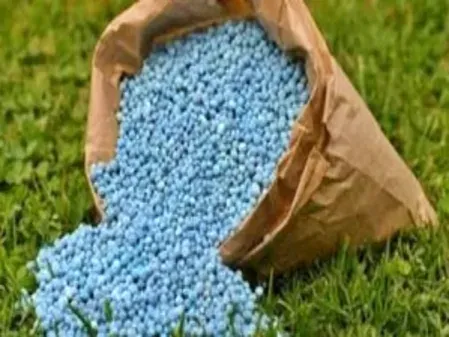
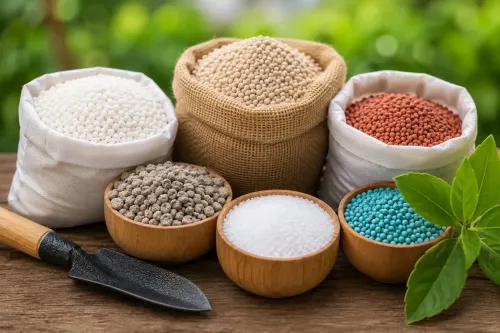
India currently holds a fertiliser stock of 199.65 lakh metric tonnes (LMT), covering more than 51 per cent of seasonal demand — a sharp improvement from the typical buffer of around 33 per cent at this time of year. Officials attributed this to improved advance stocking and more efficient logistics management.
Following a recent period of supply stress, domestic production and imports were rapidly scaled up, adding approximately 97 LMT to total availability. Of this, domestic production contributed 76.78 LMT, while imports reaching Indian ports accounted for 19.94 LMT. Notably, this comes amid ongoing disruptions linked to the Middle East crisis, which has complicated global fertiliser supply chains.
What the Minister Said
Goyal credited a decade of structural policy work for India's current economic resilience. “India’s current position is not a matter of chance. It is the result of 12 years of structural reforms, focused strategies, outcome-oriented actions, and transformational initiatives taken by the Central Government under the leadership of Prime Minister Modi,” he said.
He also pointed to nine free trade agreements (FTAs) signed by India as evidence of the country engaging with the world “on equal and fair terms.” A proposed India-Canada FTA, Goyal said, would unlock significant investment opportunities and contribute to mutual economic growth for both nations.
Modi's Five-Nation Tour and Trade Diplomacy
Goyal referenced Prime Minister Narendra Modi’s recent visit to five nations as a demonstration of India’s growing global economic confidence. The tour, he said, yielded positive outcomes across sectors and reinforced India’s positioning as a self-reliant economy that engages internationally from a position of strength.
What This Means for Farmers
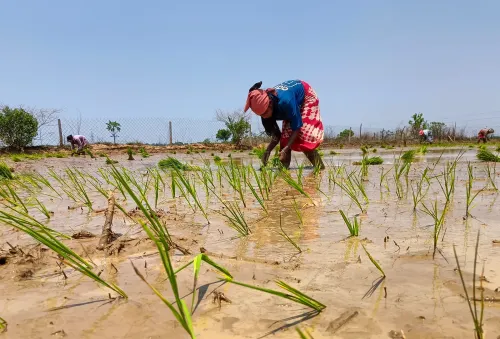
By shielding farmers from global price spikes, the Centre is effectively sustaining agricultural input affordability at a time when fertiliser costs worldwide remain elevated. The policy has fiscal implications for the government’s subsidy bill, though Goyal did not specify the quantum of the additional burden absorbed. The comfortable stock cover of over 51 per cent suggests the government is also hedging against further supply disruptions in the near term.
With the kharif sowing season approaching, the adequacy of fertiliser availability and pricing policy will remain under close watch by both farming communities and policymakers.
Point of View
Yet the subsidy quantum remains undisclosed — a transparency gap that matters when the budget is already under pressure. Stocks at 51% of seasonal demand are reassuring, but the Middle East crisis has a habit of surprising supply chains. The broader narrative of 12 years of reforms and nine FTAs risks becoming a rhetorical frame that obscures the immediate fiscal cost being borne by taxpayers. The real question is whether the subsidy architecture is sustainable if global prices remain elevated through the next two crop cycles.
NationPress
22 Sept 2026
Frequently Asked Questions
Why is the Centre absorbing fertiliser price increases instead of passing them to farmers?
The Central Government has chosen to shield farmers from global price volatility by bearing the full cost of elevated fertiliser prices, according to Commerce Minister Piyush Goyal. The move is aimed at protecting agricultural affordability, particularly ahead of the kharif sowing season.
How much fertiliser stock does India currently hold?
India holds 199.65 LMT of fertiliser, covering more than 51% of seasonal demand. This is significantly higher than the typical buffer of around 33% at this time of year, reflecting improved advance procurement and logistics.
How has India managed fertiliser supply amid the Middle East crisis?
Domestic production and imports were rapidly scaled up, adding approximately 97 LMT to total availability. Domestic output contributed 76.78 LMT and imports reaching Indian ports accounted for 19.94 LMT, ensuring supply consistently exceeds farmer requirements.
What did Piyush Goyal say about India’s trade agreements?
Goyal highlighted nine free trade agreements India has signed as evidence of its global economic engagement on equal terms. He specifically noted that a proposed India-Canada FTA would unlock major investment opportunities and support mutual growth.
What is the significance of PM Modi’s five-nation tour mentioned by Goyal?
Goyal cited Prime Minister Modi’s recent visit to five nations as a marker of India’s growing global economic confidence, saying the tour yielded positive outcomes across sectors and reinforced India’s self-reliant positioning in international trade.