Honour killing in Karachi: Married woman, 18, shot dead by brother in Orangi Town
Synopsis
An 18-year-old newlywed was allegedly shot dead by her own brother in Karachi's Orangi Town after returning home at her family's request — the third notable honour killing case reported in Pakistan since May. The suspect remains at large, and no arrest had been made at the time of reporting.
Key Takeaways
Zarqa Bibi , 18 , was allegedly shot dead by her brother in Orangi Town, Karachi after marrying a man of her own choice three weeks earlier.
The suspect, identified as Safeer Khan , fled after the killing; police raids are under way.
In July 2026 , a 22-year-old woman and a police officer were killed in a similar honour killing in Jalkot, Upper Kohistan, Khyber Pakhtunkhwa .
In May 2026 , Nadia (20) and Najeebullah (25) were shot dead in Malir, Karachi after marrying of their own choice.
Pakistan passed laws against honour killings in 2016 , but rights groups say enforcement remains weak and inconsistent.
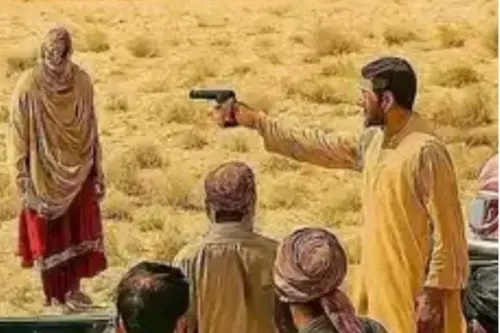
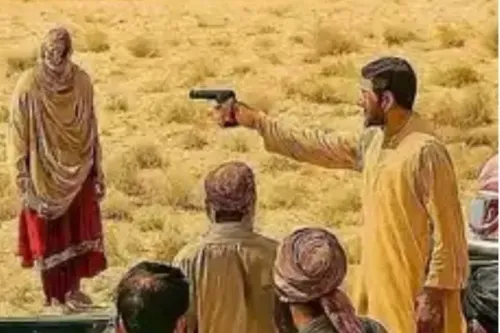
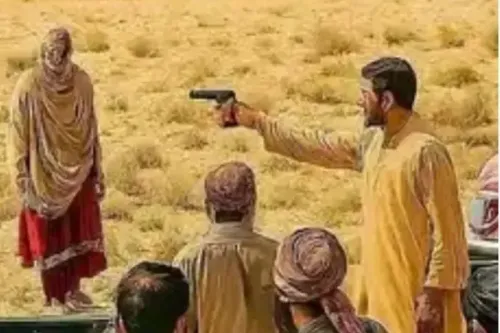
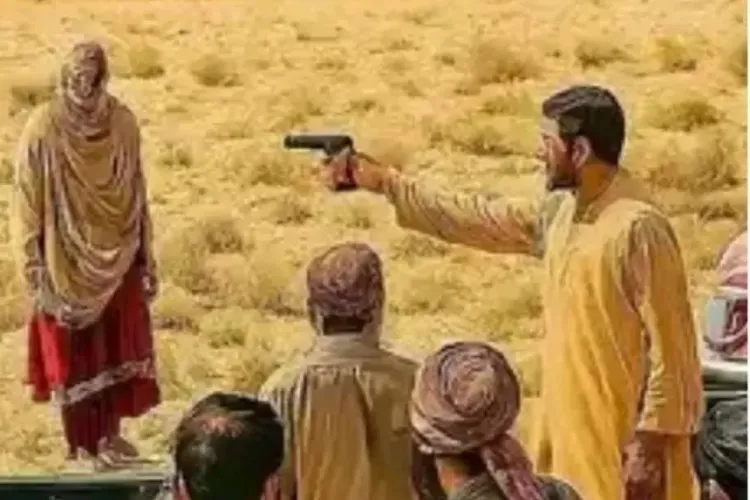
An 18-year-old woman was allegedly shot dead by her brother in Orangi Town, Karachi, in what local authorities have described as a case of honour killing — the latest in a string of such incidents reported across Pakistan in recent months. The victim, identified as Zarqa Bibi, had married a man of her own choice approximately three weeks before her death, according to Mominabad SHO Shahbaz Yusuf.
How the Incident Unfolded
According to SHO Shahbaz Yusuf, Zarqa Bibi had left her parental home after marrying of her own volition and had begun living with her husband. Her family subsequently located her and persuaded her to return home under the pretext of holding a formal wedding ceremony.
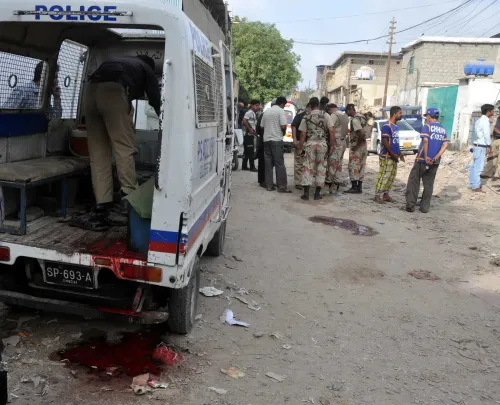
She returned to her parents' residence on Sunday night, where her brother allegedly opened fire and killed her before fleeing the scene. The body was subsequently transported to a hospital for medico-legal formalities, police said. Authorities have identified the suspect as Safeer Khan and stated that raids are under way to apprehend him.
A Pattern of Violence Across Pakistan
This killing is the latest in a series of reported honour killing cases that have drawn public attention in Pakistan in 2026. In July, a 22-year-old woman and a police personnel were allegedly shot dead in the Jalkot area of Upper Kohistan in Khyber Pakhtunkhwa province. Upper Kohistan DPO Tahir Iqbal Khan told journalists that the accused family first killed the woman and then the police officer after discovering the two were in a relationship. Cases have been registered against nominated suspects, and police teams have been deployed to make arrests.
Earlier, in May, a young couple — Nadia (20) and Najeebullah (25) — were shot dead by unidentified assailants in the Malir area of Karachi on 25 May, in what appeared to be another honour killing. The couple had married of their own choice, prompting Nadia's father, Aslam, to file a kidnapping case on 19 May. After a court in Malir disposed of the case and released Najeebullah's father, the couple were attacked while reportedly heading to the NADRA office in Saudabad. Two other people in the vehicle, including the driver, managed to escape the assault.
Systemic Concerns and Legal Context
Honour killings — locally referred to as karo-kari in parts of Pakistan — remain a deeply entrenched form of gender-based violence in the country. Despite Pakistan enacting legislation in 2016 to close legal loopholes that previously allowed families to pardon perpetrators, human rights organisations have consistently noted that enforcement remains inconsistent, particularly in rural and peri-urban areas. Critics argue that social stigma, weak institutional response, and community pressure continue to shield perpetrators.
The repeated occurrence of such cases in major urban centres like Karachi — not just in remote rural districts — underscores the scale and persistence of the problem. Rights groups have called for stricter enforcement of existing laws and better support infrastructure for women who marry outside of family-arranged unions.
Investigation Status
In the Zarqa Bibi case, police say the prime suspect, Safeer Khan, remains at large. Raids are ongoing. No arrest had been made at the time of reporting, according to local media citing police officials.
As investigations continue, advocates and civil society voices in Pakistan have renewed calls for accountability and systemic reform to address what they describe as a culture of impunity surrounding honour-based violence.
Point of View
But the ground reality, as these cases repeatedly show, is that prosecutions remain sluggish and suspects frequently flee before arrest. The pattern of luring victims home under the guise of family reconciliation — as in the Zarqa Bibi case — is a recurring tactic that courts and investigators have encountered before, yet it continues to succeed. Until enforcement agencies treat honour killing with the same investigative urgency as organised crime, legal reform will remain largely symbolic.
NationPress
22 Sept 2026
Frequently Asked Questions
Who was Zarqa Bibi and how was she killed?
Zarqa Bibi was an 18-year-old woman from Karachi who had married a man of her own choice roughly three weeks before her death. Her family persuaded her to return home for a formal wedding ceremony, and she was allegedly shot dead by her brother on Sunday night in Orangi Town, Karachi.
Has the suspect in the Zarqa Bibi case been arrested?
No. Police have identified the suspect as Safeer Khan, who fled after the alleged killing. Authorities were conducting raids to apprehend him at the time of reporting, according to local media.
What other honour killing cases have occurred in Pakistan recently?
In July 2026, a 22-year-old woman and a police officer were reportedly shot dead in Jalkot, Upper Kohistan, Khyber Pakhtunkhwa, after the accused family discovered they were in a relationship. In May 2026, a couple — Nadia (20) and Najeebullah (25) — were killed in Malir, Karachi, shortly after their court marriage was upheld.
Does Pakistan have laws against honour killing?
Yes. Pakistan enacted legislation in 2016 to close loopholes that previously allowed family members to pardon perpetrators, effectively preventing killers from escaping punishment through informal settlements. However, human rights organisations argue that enforcement remains inconsistent, particularly in rural and peri-urban areas.
Why do honour killings persist despite legal reform in Pakistan?
Critics argue that social stigma, community pressure, and weak institutional response continue to shield perpetrators. The recurrence of such killings in major urban centres like Karachi suggests that legal change alone, without robust enforcement and support systems for at-risk women, has not been sufficient to curb the practice.