WBJEE 2025: All govt engineering seats filled in round one, says CM Adhikari
Synopsis
For the first time in years, every seat in West Bengal's government engineering colleges was snapped up in WBJEE's very first counselling round. CM Suvendu Adhikari is calling it proof that students are coming home — and the BJP government is betting a split education portfolio and a modernisation push can turn that early signal into a lasting trend.
Key Takeaways
All seats in West Bengal government engineering colleges were filled in the first round of WBJEE 2025 counselling — reportedly the first time in many years.
Chief Minister Suvendu Adhikari described the development as evidence of renewed student confidence in state-run technical education.
Adhikari cited 'brain drain' as having reached an 'alarming stage' in recent years, driven by poor academic standards and limited employment opportunities.
The BJP -led government split the education portfolio last month, appointing separate ministers for school education and higher education — a break from the previous TMC practice.
The government's stated goal is to convert 'Brain Drain' into 'Brain Gain' by building world-class academic and career opportunities within the state.
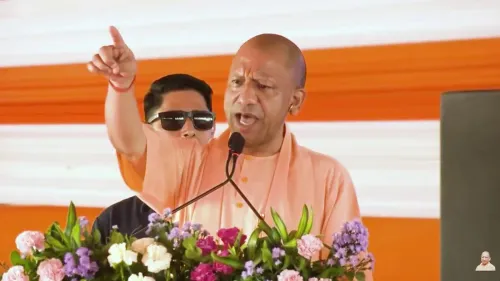
West Bengal Chief Minister Suvendu Adhikari on Wednesday, 9 July said that all seats in state-run engineering colleges had been filled in the very first round of West Bengal Joint Entrance Examination (WBJEE) counselling — a development he described as a clear sign of renewed student confidence in higher technical education within the state.
What the Numbers Signal
According to Chief Minister Adhikari, this is the first time in many years that government engineering college seats have been exhausted at the first-round counselling stage itself. He called it a matter of 'great pride and optimism', arguing the trend reflects a measurable shift in student preference back toward state institutions.
The development is notable against a backdrop of years of declining enrolment in West Bengal's public technical colleges, which critics had attributed to eroding academic standards and limited local employment prospects.
Reversing the Brain Drain
Adhikari, in a social media statement, reiterated his government's stated priority of arresting West Bengal's 'brain drain' — a phenomenon he described as having reached an 'alarming stage' in recent years. He attributed the outflow to two compounding factors: a deteriorating academic environment in state-run higher education institutions and a shortage of employment opportunities for graduates.
'We are taking proactive steps to modernise our institutions and foster an ecosystem of innovation and excellence. Our ultimate goal is to transform Brain Drain into Brain Gain by creating world-class opportunities right here at home,' Adhikari said in his statement.
Policy Shifts Under the New Government
The Bharatiya Janata Party (BJP)-led government's focus on reviving the state's academic ecosystem was underscored last month when it split the education portfolio — appointing separate ministers for school education and higher education. This marked a departure from the practice under the previous All India Trinamool Congress (TMC) regime, where a single minister oversaw the entire education department.
The move drew praise from several academicians and educationists, who said dedicated ministerial oversight could accelerate reforms in both segments.
What the Government Has Pledged
Adhikari said his administration is committed to elevating the quality of higher education statewide, with a focus on modernising institutions and building an innovation-friendly environment. The government's stated long-term aim is to ensure that talented youth from West Bengal can build careers without having to leave the state.
Whether the first-round seat-fill rate translates into sustained enrolment growth and improved placement outcomes will be the real measure of the policy shift — one that observers say will take at least a full academic cycle to assess.
Point of View
But it is not yet a trend. West Bengal's public engineering institutions have suffered years of underinvestment and reputational erosion — problems that one counselling cycle cannot undo. The real test will be placement rates, faculty quality, and whether industry partnerships materialise. Splitting the education portfolio is a structural signal worth watching, but ministerial headcount alone does not fix syllabi or laboratories. Adhikari's 'Brain Gain' framing is politically smart; whether the administrative machinery can back it up is the question mainstream coverage is not yet asking.
NationPress
9 Jul 2026
Frequently Asked Questions
What happened in the WBJEE 2025 first-round counselling?
All seats in West Bengal's government engineering colleges were filled during the very first round of WBJEE 2025 counselling, according to Chief Minister Suvendu Adhikari. He described this as the first time in many years that such complete first-round uptake had occurred.
What is the significance of this development for West Bengal?
It signals a possible reversal of a multi-year trend of students leaving West Bengal for technical education in other states. Chief Minister Adhikari has framed it as evidence that the state's academic environment is recovering under the new BJP-led government.
What is the West Bengal government doing to address brain drain?
The BJP-led government has pledged to modernise state institutions, foster innovation ecosystems, and create employment opportunities locally. It also split the education portfolio last month, appointing dedicated ministers for school and higher education separately.
How does the new government's education approach differ from the previous TMC regime?
Under the previous Trinamool Congress government, a single minister oversaw the entire education department. The new BJP administration has appointed two separate ministers — one for school education and one for higher education — a move welcomed by several academicians.
When will the impact of these education reforms be clearer?
Observers note that sustained improvement in enrolment, academic quality, and placement outcomes will take at least a full academic cycle to assess. The first-round seat-fill rate is an early indicator, but not yet a measure of structural reform.