Global Flight Disruption: Over 700 Canceled Amid Airspace Closures
Synopsis
As military tensions rise between the US, Israel, and Iran, the aviation industry faces a crisis with over 700 flights canceled globally. Discover how this impacts major airlines and the travel plans of countless passengers.
Key Takeaways
Over 700 flights have been canceled globally due to airspace restrictions.
Geopolitical tensions are impacting air travel significantly.
Indian airlines are facing the most severe disruptions.
Airlines are taking longer routes to bypass conflict zones, increasing costs.
Passengers should stay updated through their airlines regarding flight status.
New Delhi, March 1 (NationPress) The global aviation sector is currently facing immense pressure due to escalating military conflicts involving the United States, Israel, and Iran, which have led to significant airspace closures throughout West Asia, thereby disrupting flight operations worldwide.
As of Sunday, airlines across various regions have been compelled to cancel or reroute numerous flights following the implementation of emergency safety measures on crucial air corridors.
Industry estimates indicate that over 700 flights have already been canceled globally, with many others being diverted to longer routes to circumvent conflict areas.
What started as limited safety protocols has evolved into a widespread operational crisis.
Large sections of West Asia, a pivotal transit region for international aviation, are either entirely closed to civilian aircraft or operating under stringent navigation regulations. Airspace over several nations, including Iran and Israel, has been impacted, significantly restricting normal flight operations.
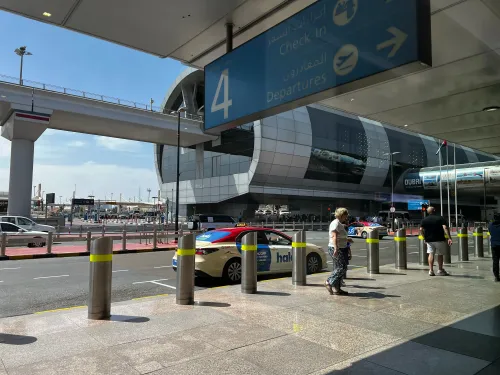
Major aviation hubs in the Gulf region, such as Dubai, Abu Dhabi, and Doha, have also imposed traffic restrictions, causing delays that ripple across airline networks globally.
Flights connecting Asia, Europe, and North America have been especially affected, as many of these routes rely heavily on unobstructed passage through the Middle East.
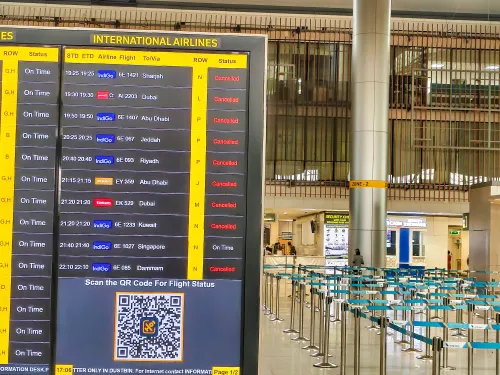
Indian airlines are among the most severely impacted due to their significant dependence on Gulf transit routes. IndiGo has canceled over 350 flights within a three-day timeframe.
The airline canceled 166 flights on March 1, followed by 162 on March 2, and 43 on March 3. These cancellations represent nearly 7 to 8 percent of its usual daily operations, which typically range between 2,100 and 2,200 flights.
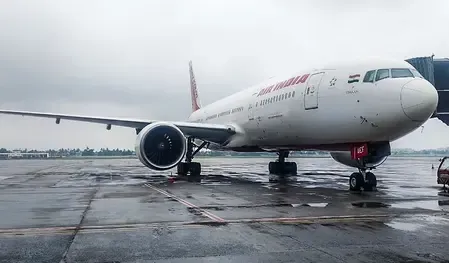
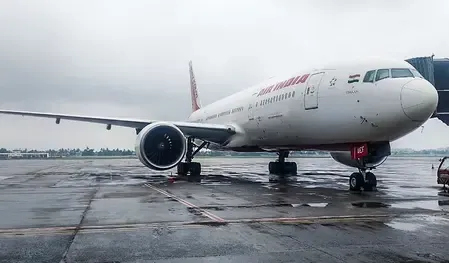
Other Indian airlines, including Air India and Air India Express, have also suspended or rerouted multiple services to the Gulf and West Asia in response to security advisories and airspace limitations.
On an international scale, this disruption has placed additional strain on major global airlines. Gulf carriers like Emirates have canceled or redirected flights, while European airlines such as Lufthansa have modified schedules to prioritize passenger safety.
To navigate restricted areas, aircraft are being required to take longer alternative routes. This has resulted in increased flight durations, heightened fuel consumption, and overall operational costs for airlines, adding financial pressure at a time when the industry is still in recovery from previous global disruptions.
Point of View
It is crucial to approach this developing situation with a nation-first perspective. The current crisis in the aviation sector highlights the interconnectedness of global travel and the impact of geopolitical tensions on everyday citizens. Our responsibility is to provide accurate, timely updates to inform the public about how these events may affect their travel plans and safety.
NationPress
29 Sept 2026
Frequently Asked Questions
Why have so many flights been canceled?
The cancellations are primarily due to airspace closures linked to rising military tensions between the United States, Israel, and Iran, which have forced airlines to alter their flight paths for safety.
Which airlines are most affected?
Indian airlines, particularly IndiGo, have been significantly affected, with over 350 flights canceled in just a few days. Other carriers, such as Air India and various Gulf airlines, have also faced disruptions.
What regions are experiencing airspace closures?
Widespread airspace closures are occurring across West Asia, including over countries like Iran and Israel, impacting civilian air traffic.
How are airlines managing the situation?
Airlines are rerouting flights to avoid conflict zones, which increases flight durations and operational costs, while also adjusting schedules to ensure passenger safety.
What should travelers do in light of these cancellations?
Travelers are advised to check with their airlines for updates on their flights, remain informed about the evolving situation, and consider alternative arrangements if necessary.