FM Sitharaman addresses RBI's SAMVAD 2026 global central bank seminar
Synopsis
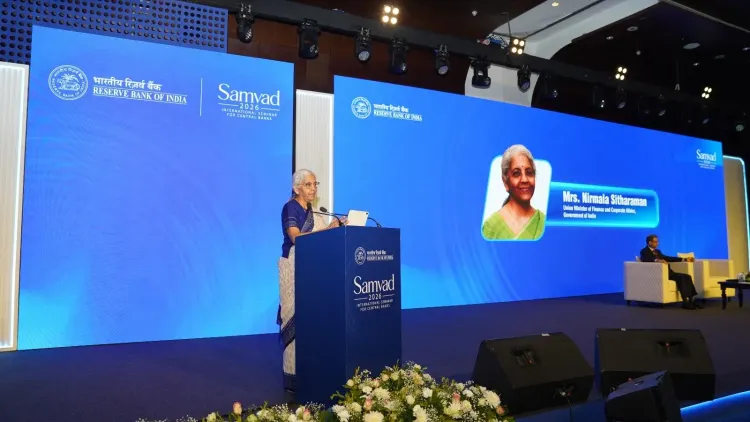
Union Finance Minister Nirmala Sitharaman addressed SAMVAD 2026, an RBI-organised international seminar on 19 October 2026, attended by central bank governors, deputy governors, multilateral institution representatives and financial industry leaders from around the world.
Key Takeaways
Finance Minister Nirmala Sitharaman addressed SAMVAD 2026, an international seminar for central banks organised by the Reserve Bank of India .
The seminar was attended by governors, deputy governors and senior officials from central banks across multiple countries.
Representatives of multilateral development institutions, regulatory authorities and senior financial industry leaders also participated.
The event reflects India's growing convening power in global financial diplomacy, accelerated by its G20 presidency in 2023 .
Key themes of such forums typically include cross-border payments, financial sector resilience and regulatory harmonisation.
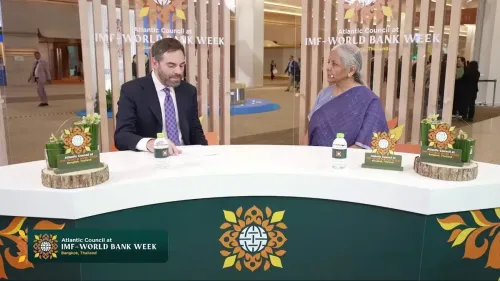
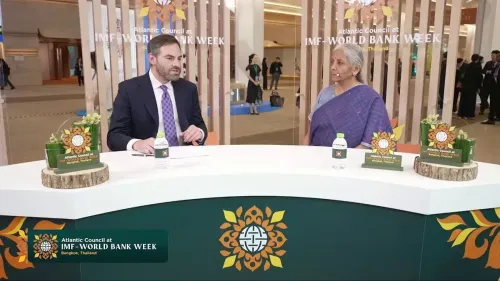
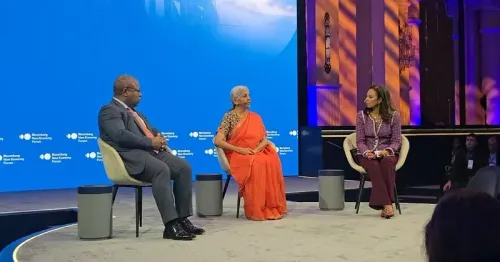
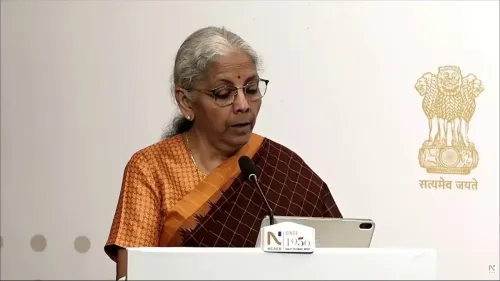
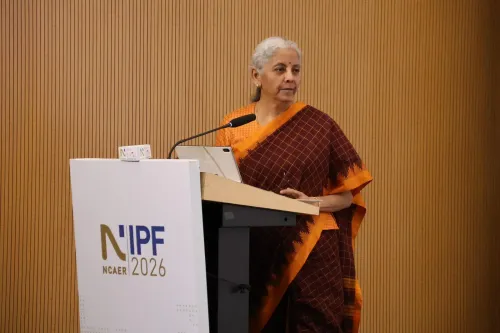
On a stage that rarely assembles this much monetary firepower in one room, Union Finance Minister Nirmala Sitharaman addressed the inaugural gathering of SAMVAD 2026 — an international seminar for central banks organised by the Reserve Bank of India — on Monday, 19 October 2026. The audience: governors, deputy governors and senior officials from central banks spanning the globe, alongside representatives of multilateral development institutions, financial regulators and industry leaders.
A gathering of monetary heavyweights in New Delhi
SAMVAD 2026 is not a routine conference. Convened by the RBI, it brings together the very decision-makers who set interest rates, manage foreign reserves and regulate financial systems across dozens of economies. The presence of governors and deputy governors from multiple countries signals that the agenda reaches well beyond domestic monetary policy — the conversations in that room shape cross-border capital flows, regulatory harmonisation and global financial stability.
Finance Minister Sitharaman's address placed India squarely at the centre of that conversation. As both the country's top fiscal authority and a senior figure who has represented India at forums from the G20 to the IMF, her participation carries a message: India sees itself not merely as a participant in the global financial order but as one of its architects.
India's expanding role in global central banking dialogue
India's hosting of high-profile central banking gatherings has grown more frequent since its G20 presidency in 2023, which elevated the country's convening power on economic and monetary issues. The RBI has leveraged that momentum, deepening engagement with peer central banks on issues such as cross-border payments, financial sector resilience and digital currency frameworks — all topics that land on the desks of every institution represented at SAMVAD.
The timing is significant. Global central banks are navigating a period of recalibration after years of aggressive rate cycles, and coordination on regulatory standards and payment infrastructure has never been more consequential. An event that puts Indian policymakers and global central bank chiefs in the same hall positions Mumbai and New Delhi as indispensable nodes in that network.
What the seminar signals for India's financial diplomacy
Observers will watch for any joint statements, policy papers or bilateral engagements that emerge from the sidelines of SAMVAD — particularly on themes like cross-border payments interoperability and financial sector resilience frameworks. India's Unified Payments Interface has already been exported to several economies, and forums like this provide the diplomatic scaffolding for deeper integration.
For the RBI, hosting a seminar of this stature reinforces its standing as a sophisticated, outward-looking central bank — one whose own policy experience managing a $3.5 trillion economy commands genuine global interest.
When India chairs the room, the world's central bankers listen. The real question now is what commitments, frameworks or partnerships walk out the door with them.
Point of View
Not merely a rule-taker, in global monetary governance. The RBI's decision to convene foreign central bank governors on home soil continues a post-G20 strategy of institutionalising India's convening authority. For the Finance Ministry, co-hosting such events alongside the RBI blurs the line between monetary diplomacy and fiscal strategy in ways that serve India's broader economic ambitions. The outcomes to watch are not just communiqués but the quiet bilateral engagements on payments interoperability and regulatory cooperation that such gatherings routinely produce.
NationPress
19 Oct 2026
Frequently Asked Questions
What is SAMVAD 2026?
SAMVAD 2026 is an international seminar for central banks organised by the Reserve Bank of India, bringing together governors, deputy governors and senior officials from central banks worldwide along with multilateral institution representatives and financial sector leaders.
Why did Nirmala Sitharaman address a central bank seminar?
As Union Finance Minister, Nirmala Sitharaman is India's top fiscal authority and regularly engages with global monetary and financial institutions. Addressing SAMVAD 2026 positions her as a key interlocutor between India's fiscal policy and the global central banking community.
Who attended SAMVAD 2026?
The seminar was attended by governors and deputy governors of central banks from around the world, as well as representatives of multilateral development institutions, regulatory authorities and senior leaders from the financial services industry.
What is the significance of India hosting central bank summits?
India's hosting of high-profile central banking gatherings has grown since its G20 presidency in 2023, reinforcing New Delhi's role as a global financial convener and providing platforms to advance Indian priorities such as cross-border payments and digital finance frameworks.
What topics are discussed at RBI-organised international seminars?
Such forums typically focus on monetary policy coordination, financial sector resilience, cross-border payments interoperability, regulatory harmonisation and digital currency developments — issues that affect every central bank represented.