FM Sitharaman meets IBBI Chairperson Rahul Madan

Synopsis
Union Finance Minister Nirmala Sitharaman received IBBI Chairperson Rahul Madan in New Delhi, her office said on 26 November 2026. The call fits routine coordination on the 2016 Insolvency and Bankruptcy Code, which the Board administers for creditors, debtors and insolvency professionals.
Key Takeaways
Union Finance Minister Nirmala Sitharaman's office said IBBI Chairperson Rahul Madan called on her on 26 November 2026.
The Insolvency and Bankruptcy Board of India is the statutory regulator under the Insolvency and Bankruptcy Code, 2016.
Sitharaman holds the Finance and Corporate Affairs portfolios, which include oversight of corporate regulators such as IBBI.
The post did not disclose the agenda or any policy decision from the meeting.
IBBI oversees insolvency professionals, agencies and time-bound resolution processes for corporate debtors and financial creditors.
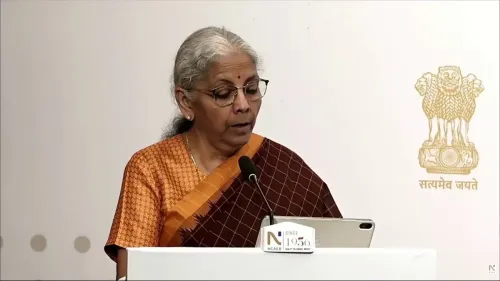
Union Finance Minister Nirmala Sitharaman received the Chairperson of India's insolvency regulator in New Delhi on Thursday, a working call that keeps the bankruptcy system on the finance ministry's calendar a decade after the Code was enacted. Her office named the visitor as Shri Rahul Madan of the Insolvency and Bankruptcy Board of India and said he had called on her. In a market still waiting on faster resolutions for lenders and companies, even a brief meeting with the IBBI chief is a reminder of who ultimately oversees the machinery.
The post, issued on 26 November 2026, put it plainly: Shri Rahul Madan, Chairperson - Insolvency and Bankruptcy Board of India, calls on Smt Nirmala Sitharaman.
IBBI's brief under the 2016 Code
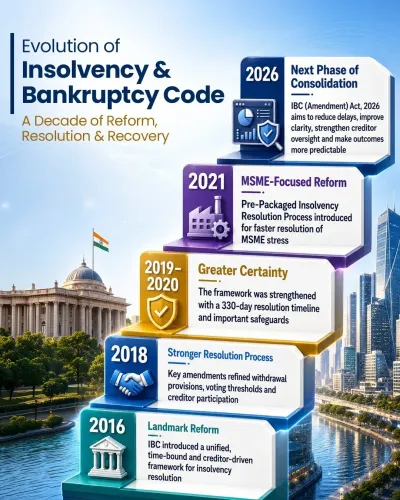
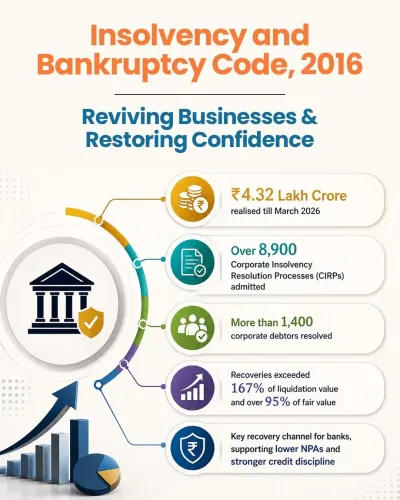
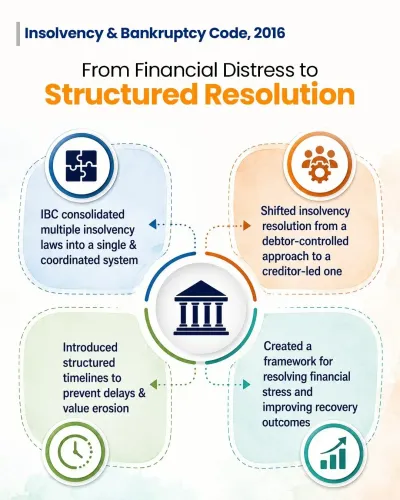
The Insolvency and Bankruptcy Board of India is the statutory regulator created when Parliament passed the Insolvency and Bankruptcy Code in 2016. That law was meant to end the old scatter of winding-up and recovery statutes and to force corporate distress into a time-bound resolution track. The Board watches insolvency professionals, the agencies that house them, and the processes financial creditors trigger when a corporate debtor defaults.
Sitharaman holds both Finance and Corporate Affairs. IBBI sits inside that dual charge. The post did not disclose what the two discussed. Meetings of this kind typically form part of routine administrative coordination on how the Code is being implemented, from regulatory updates to operational bottlenecks in the ecosystem.
Why the IBC still sits on the minister's desk
Corporate debtors, financial creditors and insolvency professionals all live with the same clock the 2016 law promised and the system has often struggled to keep. That is why a call on the Finance Minister still matters. It is how New Delhi checks whether the regulator and the ministry are aligned on the IBC's day-to-day working.
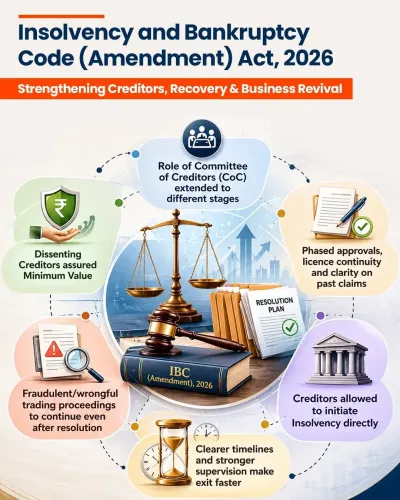
Watchers will look to the next Economic Survey or Union Budget for any public readout on IBBI performance or a fresh round of IBC amendments. Until then, the signal is simpler: the insolvency architecture remains a live file on the minister's desk.
Point of View
The regulator still answers to a minister who holds both the fiscal and the corporate-affairs levers. This call, as posted, offers no policy announcement, yet it fits a pattern of administrative coordination that usually precedes any public talk of amendments or performance numbers. The test is whether the next Budget papers treat IBC disposal and recovery as a live reform, not a completed one.
NationPress
26 Nov 2026
Frequently Asked Questions
Who is Rahul Madan in the IBBI meeting with Nirmala Sitharaman?
The office of Union Finance Minister Nirmala Sitharaman identified Shri Rahul Madan as Chairperson of the Insolvency and Bankruptcy Board of India and said he called on her. The post did not share further biographical details or the agenda of the meeting.
What is the Insolvency and Bankruptcy Board of India?
IBBI is the statutory regulator established under the Insolvency and Bankruptcy Code, 2016. It oversees insolvency professionals, agencies and the processes that resolve corporate distress in a time-bound framework.
Why does the Finance Minister meet the IBBI Chairperson?
Sitharaman holds the Finance and Corporate Affairs portfolios, which include oversight of corporate regulatory bodies. Meetings with the IBBI head are part of standard administrative coordination on the IBC framework.
When did Rahul Madan call on Nirmala Sitharaman?
The minister's office posted about the call on 26 November 2026. The post did not specify a separate meeting time beyond that announcement.
What is the Insolvency and Bankruptcy Code 2016?
Parliament enacted the Code in 2016 to consolidate insolvency laws and introduce a time-bound corporate resolution process for defaulting companies, replacing a patchwork of older recovery laws.