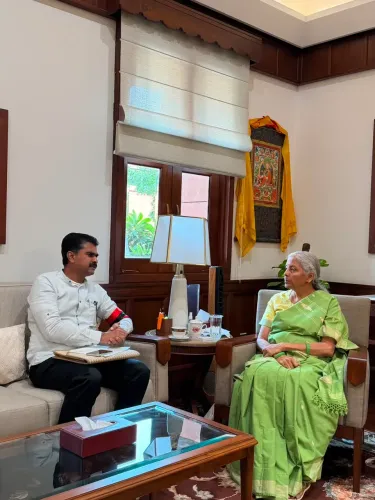
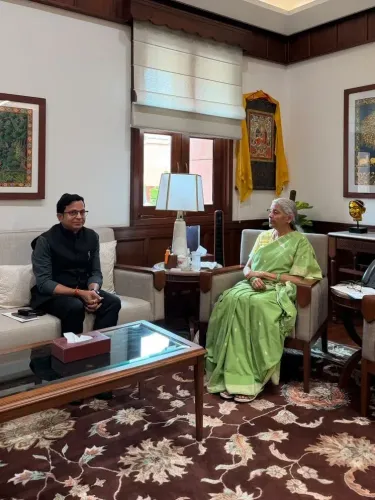
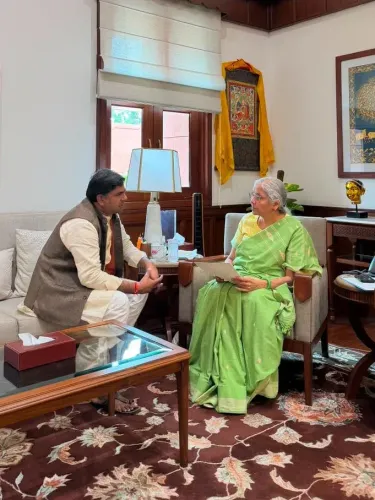
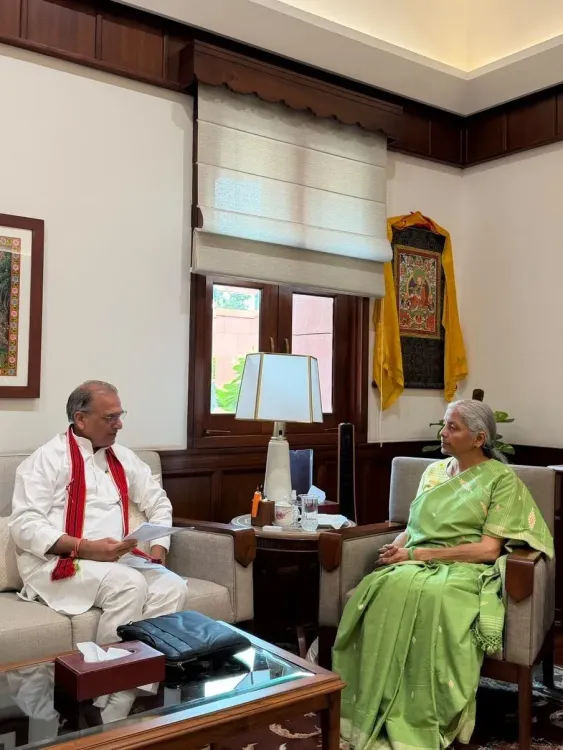
FM Sitharaman meets MP Sudhir Gupta at Parliament House
Synopsis
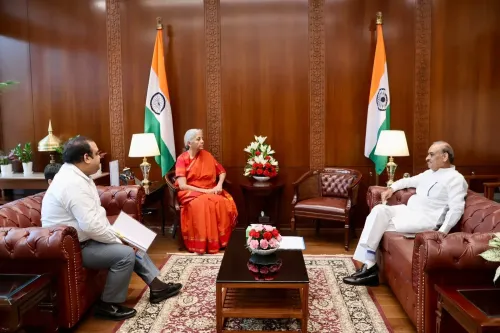
Union Finance Minister Nirmala Sitharaman received BJP Lok Sabha MP Sudhir Gupta at Parliament House on 22 July 2026. The courtesy call is part of routine executive-legislature engagement during active parliamentary sessions, with Gupta representing a Madhya Pradesh constituency.
Key Takeaways
Nirmala Sitharaman received Sudhir Gupta , BJP Lok Sabha MP, at Parliament House on 22 July 2026 .
Gupta represents a Madhya Pradesh constituency in the Lok Sabha.
The meeting forms part of routine executive-legislature engagement during parliamentary sessions.
Sitharaman has held the Finance and Corporate Affairs portfolios since 2019 .
The specific agenda of the meeting has not been publicly disclosed.
Gupta's future Lok Sabha questions on finance matters may offer indirect insight into the discussion.
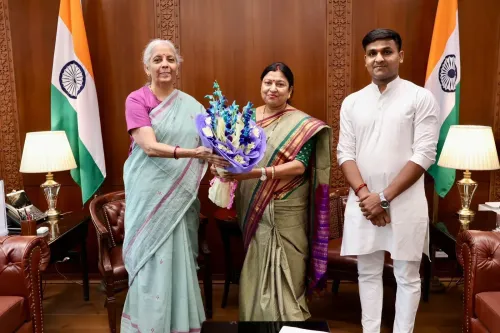
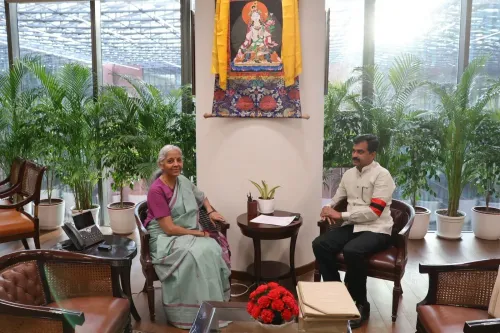
Union Finance Minister Nirmala Sitharaman received Sudhir Gupta, Bharatiya Janata Party Member of Parliament from the Lok Sabha, at Parliament House on Wednesday, 22 July 2026. The courtesy call is part of the routine executive-legislature interface that marks active parliamentary sessions.
Context
Gupta, who represents a Madhya Pradesh constituency in the Lok Sabha, called on the Finance Minister at her Parliament House office. Such meetings between sitting ministers and Members of Parliament are a standard feature of India's parliamentary calendar, allowing legislators to raise constituency concerns, pending projects, or policy feedback directly with the executive.
The meeting was acknowledged by Sitharaman's official handle, signalling it as a formal ministerial interaction rather than an informal exchange.
Policy Backdrop
Nirmala Sitharaman has held the Finance and Corporate Affairs portfolios since 2019, making her one of the longest-serving finance ministers in recent Indian history. During active Lok Sabha sessions, her office typically sees a steady stream of MPs seeking to discuss matters ranging from central scheme allocations to tax grievances affecting their constituencies.
Madhya Pradesh, as a large central Indian state, has a significant stake in Union Budget allocations, infrastructure financing, and centrally sponsored schemes — all of which fall within the Finance Ministry's ambit. MPs from the state frequently engage with the ministry on matters such as rural development funding, highway projects, and agricultural credit.
Stakeholders and Impact
These executive-legislature interactions, while often undocumented in their specifics, serve a critical function in India's parliamentary democracy. They complement formal channels — starred questions on the Lok Sabha floor, standing committee proceedings, and party coordination mechanisms — by allowing direct, informal dialogue between elected representatives and the ministers who control resource allocation.
For constituents in Sudhir Gupta's Madhya Pradesh seat, such a meeting with the Finance Minister represents an opportunity to flag local economic priorities at the highest level of the Union government. The outcomes of such calls, however, typically remain undisclosed unless followed up in official correspondence or parliamentary proceedings.
What's Next
Observers of parliamentary business will watch whether Gupta raises finance or corporate affairs-related questions in upcoming Lok Sabha sittings, which could offer indirect clues about the concerns discussed during this meeting. Any announcements touching on Madhya Pradesh's financial or infrastructural priorities in the near term may also reflect inputs from such ministerial consultations.
The interaction underscores the ongoing engagement between the Finance Ministry and BJP's parliamentary membership as the government navigates the legislative agenda for the current session.
Point of View
Such interactions serve as an informal feedback loop from the ground. Madhya Pradesh, a politically significant state for the BJP, commands particular attention in these exchanges. Consistent ministerial accessibility to party MPs also reinforces internal cohesion ahead of any legislative business requiring floor management.
NationPress
22 Jul 2026
Frequently Asked Questions
Why did Sudhir Gupta meet Nirmala Sitharaman at Parliament House?
Sudhir Gupta, a BJP Lok Sabha MP, called on Finance Minister Nirmala Sitharaman at Parliament House on 22 July 2026 in a routine courtesy meeting. Such interactions allow MPs to raise constituency concerns, pending projects, or policy matters directly with Union ministers during parliamentary sessions.
Who is Sudhir Gupta and which state does he represent?
Sudhir Gupta is a Bharatiya Janata Party Member of Parliament in the Lok Sabha, representing a constituency in Madhya Pradesh.
How long has Nirmala Sitharaman been Finance Minister?
Nirmala Sitharaman has served as Union Minister of Finance and Minister of Corporate Affairs since 2019, making her one of India's longest-serving finance ministers in recent history.
What typically happens when an MP meets the Finance Minister?
When an MP meets the Finance Minister, they usually discuss constituency-specific concerns such as central scheme allocations, infrastructure funding, tax issues, or pending projects. The specific outcomes of such meetings are generally not publicly disclosed.
What should we watch for after this meeting?
Observers should watch for any finance or corporate affairs-related questions raised by Sudhir Gupta in upcoming Lok Sabha sittings, which could offer clues about the concerns discussed during this courtesy call.