US to raise India soda ash import curbs in bilateral trade talks
Synopsis
The Trump administration has put India's proposed soda ash import curbs on its bilateral trade agenda, with US Trade Representative Jamieson Greer personally committing to raise the issue with New Delhi. For Wyoming — home to the world's largest trona deposits — the outcome could determine whether its soda ash industry retains one of its most significant export markets.
Key Takeaways
US Trade Representative Jamieson Greer told the Senate Finance Committee on 22 July that Washington will raise India's proposed soda ash import restrictions with New Delhi .
Senator John Barrasso of Wyoming — home to the world's largest natural trona deposits — flagged the issue, warning it threatens American export competitiveness.
Greer said he wants to ensure India's trade remedy process is 'fair' and that US producers 'get to the right answer.' The US is India's largest trading partner; bilateral goods and services trade exceeds $190 billion annually.
The two countries are negotiating a broader trade deal covering agriculture, industrial goods, digital trade, and manufacturing.
The US goods trade deficit with China fell to $200 billion in 2025 , the lowest since 2005 , per Greer's testimony.
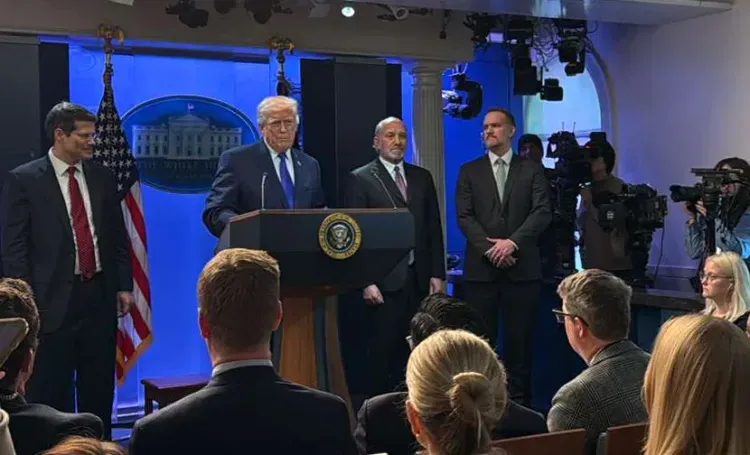
US Trade Representative Jamieson Greer confirmed on Wednesday, 22 July that the Trump administration will raise concerns with New Delhi over India's proposed restrictions on American soda ash imports, signalling the issue will be folded into the broader bilateral trade negotiations between the two countries. Greer made the commitment before the Senate Finance Committee during a hearing on President Donald Trump's 2026 Trade Policy Agenda.
What Triggered the Concern
Senator John Barrasso of Wyoming pressed the administration to secure fair market access for American soda ash producers, noting that Indian manufacturers had petitioned their government to restrict US imports. Wyoming holds the world's largest natural deposits of trona — the primary raw material used to manufacture soda ash — making the state particularly exposed to any Indian trade remedy action.
Barrasso argued that American producers could 'compete with anyone in the world on a level playing field,' and urged Washington to ensure Indian processes did not unfairly disadvantage US exporters.
What Greer Said
Greer assured lawmakers he would take the matter up directly with his Indian counterpart. 'I will raise this with them next time,' he said. 'They have internal processes on trade remedies as we do, but we want to make sure that any process they have is fair, that our producers are being treated fairly and they get to the right answer.'
He also underscored the existing rapport between the two sides: 'I have a good relationship with my counterpart in India, and we work closely with their trade ministry,' Greer said, pointing to regular, ongoing engagement between the two governments on trade matters.
Broader India-US Trade Context
The soda ash exchange was one of several India-related references during a hearing dominated by debate over President Trump's tariff strategy, negotiations with multiple trade partners, and efforts to reduce American dependence on China. Greer told the committee that the administration had concluded 19 framework or reciprocal trade deals covering 32% of global GDP, and that the US goods trade deficit with China had fallen to $200 billion in 2025 — the lowest since 2005 — with China's share of total US imports dropping to roughly 9%, the lowest since China joined the World Trade Organization in 2001.
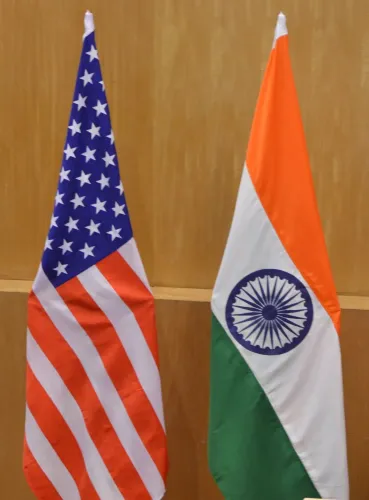
India and the United States are currently negotiating a broader bilateral trade arrangement covering agriculture, industrial goods, digital trade, and manufacturing. The US is India's largest trading partner, with bilateral goods and services trade exceeding $190 billion annually.
Political Pushback in Washington
Democratic lawmakers challenged the administration's reliance on tariffs, arguing the levies had raised costs for American consumers and businesses. Greer rejected those claims, contending that the administration's trade policies had boosted manufacturing, wages, and exports. The hearing also covered negotiations with Canada, Mexico, the European Union, and several Asian countries.
What Comes Next
With Greer committing to raise the soda ash issue at the next opportunity, the matter is now formally on the US-India trade agenda. How New Delhi responds — and whether India proceeds with import restrictions — will be closely watched by American producers and trade observers as the two countries push toward a broader bilateral trade deal.
Point of View
But it is a bellwether for how the US-India trade relationship handles sectoral pressure from domestic industry lobbies on both sides. India's trade remedy processes are technically WTO-compliant, yet Washington's insistence on a 'fair' outcome signals it will not treat New Delhi with the same deference it once did. With a broader bilateral deal still being negotiated, both governments have an incentive to resolve this quietly — but every unresolved irritant like this one makes the larger deal harder to close. The real question is whether the political will in New Delhi to protect domestic soda ash producers outweighs the strategic cost of straining what is now a $190-billion trade relationship.
NationPress
21 Oct 2026
Frequently Asked Questions
What is the US-India soda ash dispute about?
Indian manufacturers have reportedly petitioned their government to restrict imports of American soda ash, prompting US concern. The US Trade Representative has committed to raising the issue with New Delhi, arguing that American producers deserve fair treatment under India's trade remedy process.
Who is Jamieson Greer and what did he say?
Jamieson Greer is the US Trade Representative under President Donald Trump. Testifying before the Senate Finance Committee on 22 July, he said he would personally raise India's proposed soda ash restrictions with his Indian counterpart and ensure US producers are 'treated fairly.'
Why does Wyoming have a stake in this dispute?
Wyoming holds the world's largest natural deposits of trona, the raw material used to manufacture soda ash. Senator John Barrasso of Wyoming raised the issue at the Senate hearing, warning that Indian import restrictions could undercut a globally competitive American industry.
How large is the overall US-India trade relationship?
The United States is India's largest trading partner, with bilateral goods and services trade exceeding $190 billion annually. The two countries are currently negotiating a broader bilateral trade arrangement covering agriculture, industrial goods, digital trade, and manufacturing.
What is the status of US-India trade negotiations?
Officials from both countries have held multiple rounds of discussions aimed at expanding market access, lowering trade barriers, and strengthening economic ties. The soda ash issue is expected to be raised at the next bilateral engagement, according to Greer's testimony.