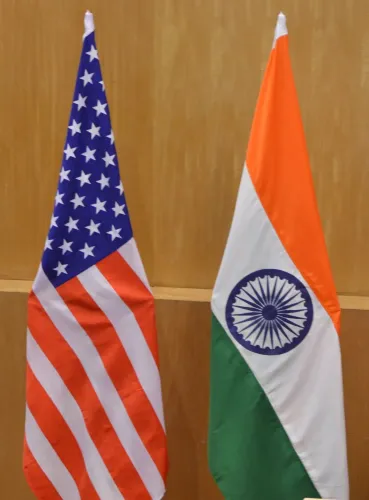
California wine gets US Congressional push to enter India's market
Synopsis
A California Republican congressman has formally asked the Trump administration's trade chief to push open India's wine market for American growers — framing it as both a trade-negotiation priority and a fix for domestic federal policies that, growers argue, favour imports over home-grown grapes. The move signals that agriculture will feature prominently in the next phase of India-US trade talks.
Key Takeaways
Congressman James Gallagher of California wrote to USTR Jamieson Greer on 8 October 2026 urging priority market access for American wine in India and Vietnam .
California growers face declining domestic consumption, reduced access to Canada , and federal rules allowing up to 25 per cent foreign content in wines labelled 'American.' Gallagher called for review of TTB labelling regulations , duty drawback provisions on imported bulk wine, and customs treatment of Canadian bulk products.
Natalie Collins , president of the California Association of Winegrape Growers , endorsed the congressional push.
The request coincides with active India-US bilateral trade negotiations aimed at reducing market-access barriers.
A United States lawmaker has urged the Trump administration to crack open India's wine market for California producers, as American growers contend with shrinking domestic demand, sharply curtailed access to Canada, and federal regulations they argue tilt the playing field in favour of imported products. The appeal, made in a letter released on Thursday, 8 October 2026, adds a new dimension to ongoing India-US trade negotiations.
The Congressional Push
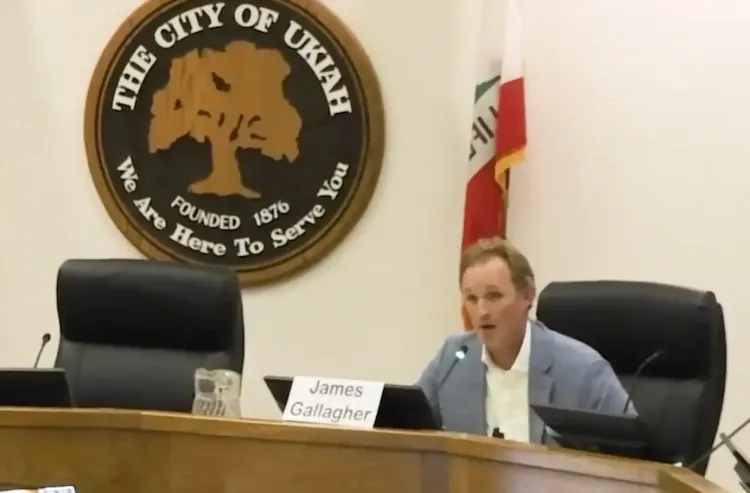
Republican Congressman James Gallagher of California has written to US Trade Representative Jamieson Greer, asking him to elevate India and Vietnam as priority export destinations for American wine. Gallagher described both countries as 'promising high-growth markets' but acknowledged that 'the barrier to entry is still high due to ongoing tariff negotiations.'
He also called for the restoration of American wine's access to Canada, where sales opportunities have reportedly been 'severely reduced' — a consequence of broader trade friction between Washington and Ottawa.
What Gallagher Is Asking For
Beyond market access, the congressman raised three domestic regulatory concerns that growers say are undermining their competitiveness.
First, he called for a review of Alcohol and Tobacco Tax and Trade Bureau (TTB) labelling rules. Under current regulations, a wine labelled 'United States' or 'American' need only contain at least 75 per cent American-grown agricultural products — meaning up to 25 per cent of its content can be sourced from foreign-grown products without any disclosure on the label. Gallagher and industry groups argue this suppresses demand for California grapes, depresses prices, and misleads consumers.
Second, he flagged federal duty drawback provisions that allow excise taxes paid on imported bulk wine to be refunded when substituted wine is exported — even if the exported product did not carry an equivalent tax burden. Growers say this makes imported bulk wine artificially more attractive than domestically grown alternatives.
Third, Gallagher raised concerns about bulk products imported from Canada that do not meet the US legal definition of wine yet receive customs and tax treatment as though they do.
Industry Voice
Natalie Collins, president of the California Association of Winegrape Growers, backed the congressman's intervention. 'California winegrape growers are facing an incredibly difficult market, and federal policies should not make it harder for American-grown grapes to compete,' Collins said.
Gallagher urged that these concerns be addressed before the 2026 harvest concludes. 'California growers don't need Washington making a tough market even tougher,' he said, adding that trade policy should be 'looking for ways to give them a fair shot here at home and more opportunities to sell American wine around the world.'
India-US Trade Backdrop
The letter lands as India and the United States are actively negotiating a trade framework aimed at reducing bilateral market-access barriers. India currently levies steep tariffs on imported wine and spirits, making it one of the more protected alcoholic-beverage markets in the world. For California's wine industry — already grappling with structural demand shifts and competition from South American and European producers — breaking into India's emerging premium-consumption segment is seen as a long-term strategic opportunity. Whether USTR acts on Gallagher's request will depend partly on how prominently agricultural market access features in the next round of India-US negotiations.
Point of View
And leverage India-US negotiations to create a new export safety valve. The domestic ask — tightening the '75 per cent American' labelling rule — is the more immediately actionable demand and the one most squarely within Washington's control. The India market-access push is real but long-dated; Indian wine tariffs are a perennial sticking point, and previous US administrations have made little headway. The more telling signal is that American agricultural interests are now explicitly banking on India as a growth hedge, which could add genuine pressure to include wine in the bilateral trade framework currently being negotiated.
NationPress
9 Oct 2026
Frequently Asked Questions
Why is a US congressman pushing for India to import California wine?
Congressman James Gallagher is lobbying for Indian market access because California's wine industry faces declining domestic demand, reduced sales in Canada, and federal regulations that growers say favour imported over domestic grapes. India and Vietnam have been identified by industry leaders as high-growth potential markets.
What are the current barriers to California wine entering India?
India levies steep tariffs on imported wines and spirits, making it one of the more protected alcoholic-beverage markets globally. Gallagher noted that 'the barrier to entry is still high due to ongoing tariff negotiations' between the two countries.
What domestic US regulations is Gallagher asking to change?
He has asked for a review of TTB labelling rules that allow wines labelled 'American' to contain up to 25 per cent foreign-sourced ingredients without label disclosure, duty drawback provisions that can make imported bulk wine cheaper than domestic, and customs treatment of Canadian bulk products that do not meet the US definition of wine.
Who else has supported Gallagher's push?
Natalie Collins, president of the California Association of Winegrape Growers, publicly backed the letter, saying federal policies 'should not make it harder for American-grown grapes to compete.'
How does this connect to broader India-US trade relations?
The letter comes as India and the United States are actively negotiating a bilateral trade framework. Gallagher's appeal could push agricultural market access — including wine tariffs — higher up the agenda in those talks.