CM Fadnavis at 57th GST Council: 11 Key Reform Proposals
Synopsis
The 57th GST Council, chaired by Nirmala Sitharaman at Bharat Mandapam in New Delhi, recommended 11 reforms including removing arrest provisions, raising the prosecution threshold from ₹1 crore to ₹5 crore, cutting penalties, and a voluntary annual-return scheme for businesses with turnover up to ₹5 crore. Maharashtra CM Devendra Fadnavis was present.
Key Takeaways
The 57th GST Council met at Bharat Mandapam, New Delhi on 8 October 2026 under Union Finance Minister Nirmala Sitharaman .
A voluntary compliance scheme — one annual return, quarterly payments — was conceptually proposed for businesses with turnover up to ₹5 crore supplying directly to consumers.
The Council recommended removing arrest provisions under GST and raising the criminal prosecution threshold from ₹1 crore to ₹5 crore .
General penalties proposed to be reduced from ₹25,000 to ₹10,000 ; faster refunds recommended to ease working-capital pressure.
ITC and refund eligibility to be broadened; GST registration simplified for small e-commerce sellers .
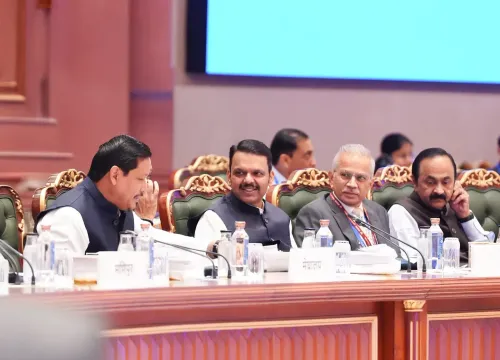
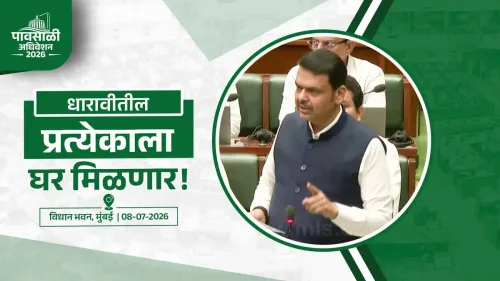
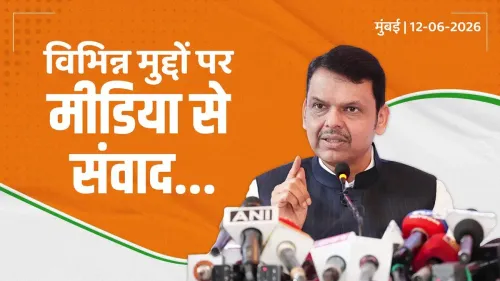
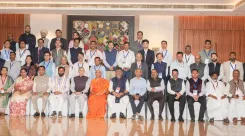
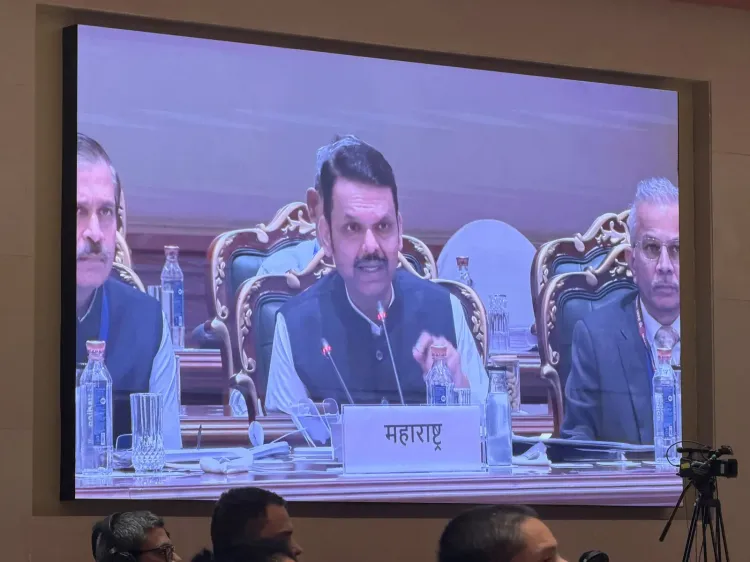
Maharashtra CM Devendra Fadnavis attended alongside central ministers, state CMs, deputy CMs, and finance ministers.
Eleven sweeping proposals to make India's goods-and-services tax regime simpler, more transparent, and friendlier to business landed on the table at Bharat Mandapam, New Delhi on 8 October 2026, as the 57th GST Council — chaired by Union Finance Minister Nirmala Sitharaman — concluded its session with Maharashtra Chief Minister Devendra Fadnavis among the senior leaders present.
A voluntary scheme for small businesses — and the five-crore threshold
The headline proposal floated at the meeting targets businesses with annual turnover up to ₹5 crore that supply directly to consumers. For them, the Council has conceptually proposed a voluntary compliance scheme requiring only one annual return and quarterly tax payments — a dramatic reduction in paperwork compared to the current framework. The detailed design of this scheme will be placed before the next GST Council meeting for a final decision.
The CMO Maharashtra's official post also noted that GST Seva Kendras (service centres) will be activated to help taxpayers understand the reforms, assist with documentation, and make filings — taking the compliance machinery directly to the ground level.
Decriminalisation, lower penalties, and faster refunds
Among the most consequential of the 11 recommendations is a proposal to remove arrest provisions under GST entirely — a move that, if accepted, would fundamentally shift the law's posture from punitive to facilitative. Alongside this, the prosecution threshold has been recommended to rise sharply: from ₹1 crore to ₹5 crore, meaning businesses below that violation amount would no longer face criminal proceedings.
General penalties are also proposed to be cut — from ₹25,000 to ₹10,000. On the cash-flow side, faster refunds have been recommended specifically to improve working capital for businesses, a long-standing pain point for exporters and MSMEs alike.
Broader eligibility for ITC and streamlined registration
The Council recommended expanding eligibility for Input Tax Credit (ITC) and refunds, making the credit chain more inclusive. GST registration and compliance processes are proposed to be simplified further, with particular attention to small sellers on e-commerce platforms — a fast-growing but historically under-served segment in the GST architecture.
Recommendations also cover uniform standards for GST notices and proceedings, easier inter-state goods movement, vehicle interception based on credible intelligence rather than routine checks, and targeted measures to boost services exports.
Maharashtra's seat at the federal tax table
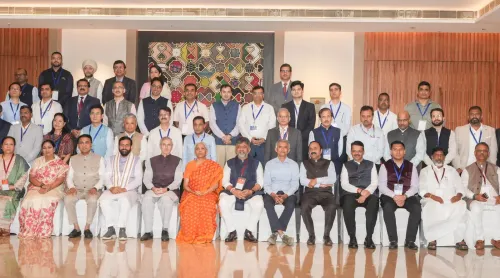
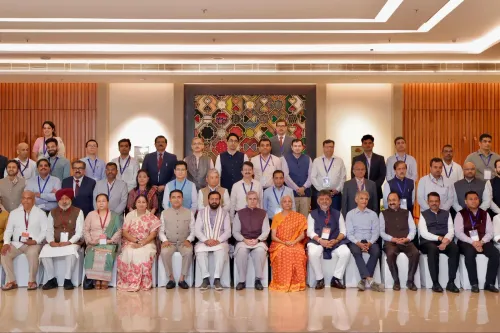
Chief Minister Fadnavis joined Union ministers, chief ministers and deputy chief ministers from other states, finance ministers, and senior officials at the session — underscoring how the GST Council remains one of India's most consequential federal economic bodies, where every major state effectively has a voice in reshaping national tax law. The fact that all 11 recommendations cleared the Council table signals a rare moment of cross-party, centre-state alignment on business-friendly reform.
The next GST Council meeting will be the critical checkpoint: the voluntary small-business scheme and other detailed designs come back for formal approval then. India's 14-million-plus registered taxpayers — and every small vendor listing products on an app — will be watching.
Point of View
This is an opportunity to reframe the GST narrative ahead of state and general election cycles, positioning the tax as an ally of small business rather than a bureaucratic trap. Maharashtra's presence at the table, through CM Fadnavis, also reflects the state's outsized stake: as India's largest GST contributor by collection, any change in credit eligibility or refund speed has an outsized fiscal echo in Mumbai and Pune's MSME belts. The real test will be how many of these conceptual recommendations survive the drafting process and land in actual law at the next Council meeting.
NationPress
9 Oct 2026
Frequently Asked Questions
What happened at the 57th GST Council meeting?
The 57th GST Council meeting, chaired by Union Finance Minister Nirmala Sitharaman at Bharat Mandapam in New Delhi on 8 October 2026, recommended 11 key reforms to make the GST system simpler and more business-friendly, including removing arrest provisions and proposing a voluntary compliance scheme for small businesses.
What is the new GST voluntary scheme for small businesses?
The Council has conceptually proposed a voluntary scheme for businesses with annual turnover up to ₹5 crore that supply directly to consumers. Under this scheme, businesses would file only one annual return and make quarterly tax payments. The detailed design will be finalised at the next GST Council meeting.
What are the changes to GST arrest and prosecution rules?
The 57th GST Council recommended removing arrest provisions under GST and raising the threshold for criminal prosecution from ₹1 crore to ₹5 crore, significantly reducing the legal risk for smaller taxpayers.
How will the GST penalty reduction affect businesses?
The Council recommended reducing the general penalty under GST from ₹25,000 to ₹10,000, lowering the financial burden on businesses that commit minor compliance lapses.
Why was Devendra Fadnavis at the GST Council meeting?
As Chief Minister of Maharashtra — India's largest GST-contributing state — Devendra Fadnavis attended the 57th GST Council meeting alongside other state CMs, deputy CMs, finance ministers, and senior central government officials.