57th GST Council meeting today: Compliance reforms, ITC fixes on agenda
Synopsis
The 57th GST Council meeting — twice delayed, first by the BRICS summit and then by a last-minute reschedule — finally convenes in New Delhi on Thursday under Finance Minister Nirmala Sitharaman. The agenda goes beyond routine tweaks: proposals to distinguish accidental non-payment from wilful evasion, ease ITC flows, and simplify registration could reshape how millions of businesses experience India's nine-year-old GST regime.
Key Takeaways
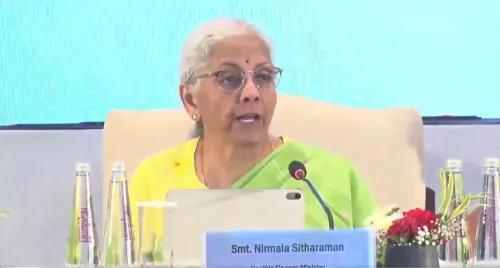
The 57th GST Council meeting is being held in New Delhi on 8 October 2026 , chaired by Finance Minister Nirmala Sitharaman .
The meeting was rescheduled from Wednesday to Thursday by the GST Council Secretariat due to unavoidable circumstances.
Key agenda items include reforms to registration , returns , refunds , dispute resolution , and input tax credit (ITC) flows.
Proposals originate from the GST Council's Law Committee , which recommends distinguishing deliberate tax evasion from unintentional non-payment.
PM Modi and Finance Minister Sitharaman both signalled this reform phase publicly earlier this week.
The meeting was originally slated for 12 September but was first postponed due to India's hosting of the BRICS summit .
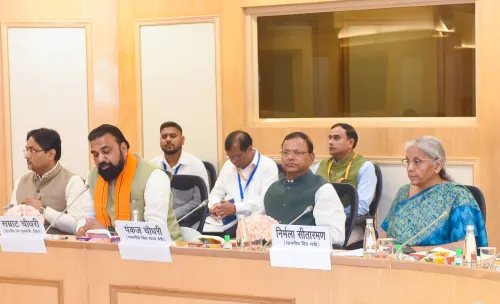
The 57th GST Council meeting, chaired by Union Finance Minister Nirmala Sitharaman, is being held in New Delhi on Thursday, 8 October 2026, with a packed agenda centred on making GST compliance simpler for businesses, e-commerce suppliers, and individual taxpayers. The meeting, comprising representatives from the Centre and all states, was rescheduled from Wednesday after the GST Council Secretariat cited unavoidable circumstances in an official office memorandum.
Key Reforms on the Table
According to reports, the Council is expected to consider substantive changes to registration, returns, and refunds mechanisms — three areas that businesses have long flagged as friction points. Proposals to streamline GST dispute resolution and improve the flow of input tax credit (ITC) are also on the table, with the stated aim of cutting both the time and cost of compliance for taxpayers across segments.
These proposals reportedly originate from the GST Council's Law Committee, which has spent several months examining how to simplify GST legislation and — critically — draw a clearer line between deliberate tax evasion and non-intentional failures to pay. The distinction carries significant legal weight: under Section 69 of the Central GST Act, a Commissioner can authorise arrest where there is reason to believe a person has committed specified offences under Section 132, including cases involving tax evasion and fraudulent ITC claims.
What Modi and Sitharaman Have Said
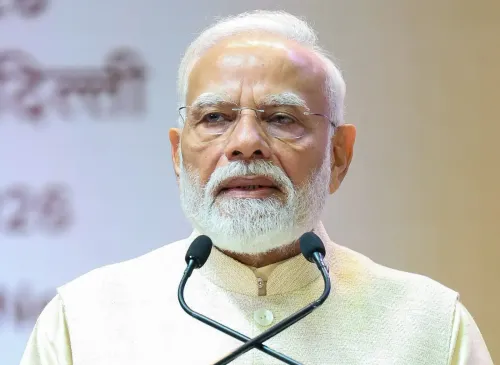
The meeting follows high-level political signals. Earlier this week, Prime Minister Narendra Modi publicly announced that the next phase of GST reforms would ease compliance and improve the refund process, offering businesses greater confidence to invest and expand. Finance Minister Sitharaman has separately stated that the reform phase will focus on simplifying registration, returns, refunds, dispute resolution, and the ITC process — closely mirroring the agenda items expected to be tabled today.
A Twice-Delayed Meeting
The path to Thursday's meeting was not straightforward. The Council was originally scheduled to convene on 12 September, but was postponed to 7 October when India hosted the BRICS summit in New Delhi on 12–13 September. A further one-day shift pushed the meeting to Thursday due to what the Secretariat described as unavoidable circumstances. The delays have only heightened industry attention on the outcome, given that several pending reform proposals have been in circulation for months.
Why It Matters for Businesses
For India's vast base of GST-registered entities — which includes millions of small traders, manufacturers, and a fast-growing cohort of e-commerce sellers — the reforms being discussed could meaningfully reduce compliance burden. Notably, e-commerce suppliers have been specifically cited as a focus group, signalling awareness within the Council that digital commerce requires distinct compliance frameworks. Any move to distinguish inadvertent non-payment from wilful evasion would also reduce legal exposure for businesses navigating a still-evolving tax system.
The decisions taken at Thursday's meeting are expected to shape the next legislative and administrative phase of India's GST architecture, now in its ninth year since the landmark rollout in July 2017.
Point of View
GST's compliance architecture still imposes disproportionate friction on small and mid-sized businesses — and the Law Committee's push to separate inadvertent failures from deliberate evasion is the most consequential reform proposal on the table today. The arrest provision under Section 132 has been a source of legitimate business anxiety; rationalising it is overdue. What is less clear is whether Thursday's meeting will produce binding decisions or another round of deferred recommendations. The twice-delayed scheduling does not inspire confidence in urgency — but the alignment between PM Modi's public remarks and Sitharaman's stated priorities does suggest political will is there. Execution, as always with GST reform, will be the test.
NationPress
8 Oct 2026
Frequently Asked Questions
What is the 57th GST Council meeting about?
The 57th GST Council meeting, chaired by Finance Minister Nirmala Sitharaman in New Delhi on 8 October 2026, is focused on compliance reforms including changes to registration, returns, refunds, dispute resolution, and input tax credit flows. The Council is also expected to consider recommendations from its Law Committee on distinguishing deliberate tax evasion from unintentional non-payment.
Why was the 57th GST Council meeting rescheduled?
The meeting was shifted from Wednesday to Thursday due to unavoidable circumstances cited by the GST Council Secretariat in an official office memorandum. It had previously been postponed from its original date of 12 September because India hosted the BRICS summit in New Delhi on 12–13 September.
What changes to input tax credit (ITC) are being discussed?
The Council is expected to consider reforms to improve the flow of input tax credit and reduce the time and cost of claiming it. The proposals, originating from the GST Council's Law Committee, are aimed at making the ITC process more straightforward for businesses, including e-commerce suppliers.
Who is affected by the proposed GST compliance reforms?
The reforms are primarily aimed at benefiting the millions of GST-registered businesses across India, including small traders, manufacturers, and e-commerce sellers. Any rationalisation of the arrest provision under Section 132 of the Central GST Act would also reduce legal risk for businesses that have inadvertently failed to pay tax.
What have PM Modi and Finance Minister Sitharaman said about the next phase of GST reforms?
Earlier this week, PM Modi stated that the next phase of GST reforms would ease compliance and improve the refund process, giving businesses greater confidence to invest. Finance Minister Sitharaman has said the focus will be on simplifying registration, returns, refunds, dispute resolution, and input tax credit processes.