CM Mohan Yadav Backs GST Council Reforms on Compliance
Synopsis
Madhya Pradesh Chief Minister Dr. Mohan Yadav backed GST Council reforms approved under Finance Minister Nirmala Sitharaman, calling moves to ease compliance, remove arrest provisions, and introduce automatic refunds a boost for trader confidence and entrepreneurship.
Key Takeaways
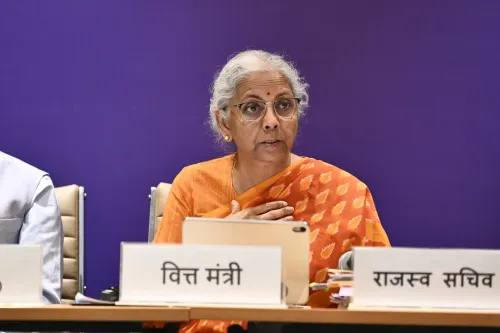
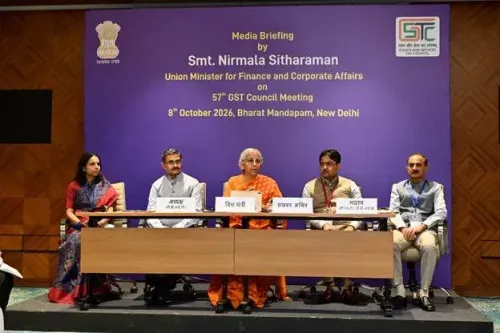
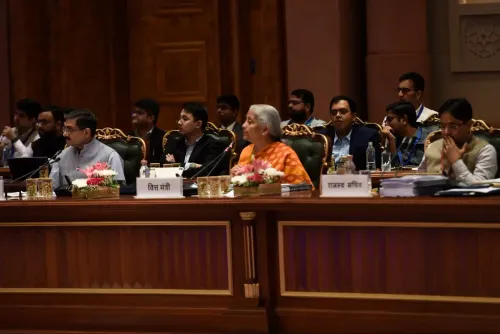
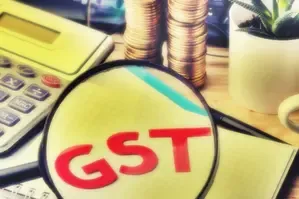
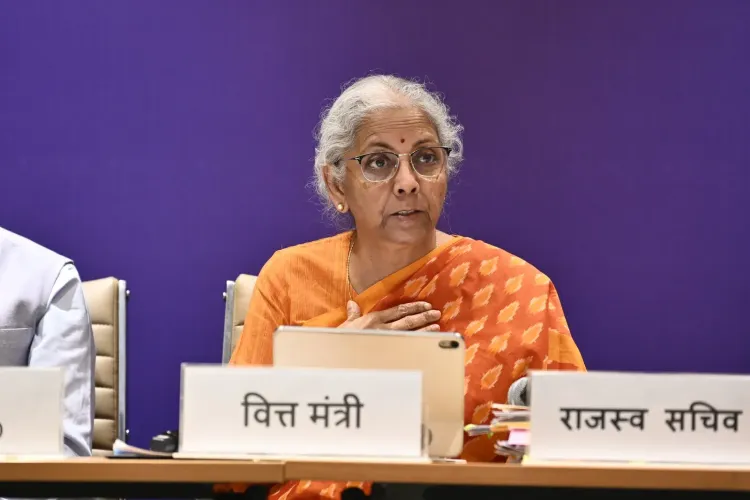
GST Council , chaired by Finance Minister Nirmala Sitharaman , approved a set of reforms aimed at simplifying tax compliance for businesses.
Arrest-related provisions for certain GST offences are being removed, reducing enforcement pressure on traders.
Automatic refund mechanisms will be introduced, easing working-capital constraints for exporters and businesses with inverted duty structures.
Broader procedural simplification targets the compliance burden on small and medium enterprises.
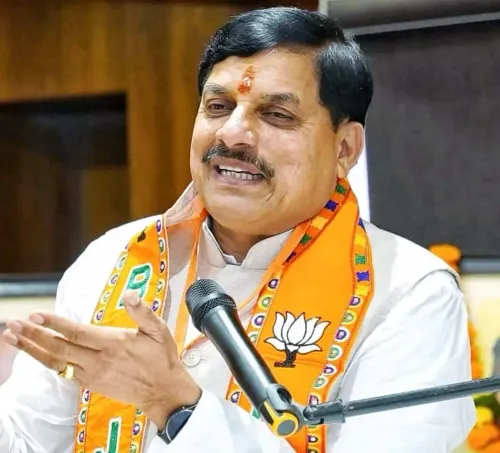
Mohan Yadav publicly endorsed the reforms, saying they will strengthen trader and entrepreneur trust in the government.
The changes align with Madhya Pradesh's investment-attraction agenda and India's broader ease-of-doing-business goals.
A wave of GST reforms — easier compliance, automatic refunds, and the removal of arrest provisions for certain violations — has drawn strong endorsement from Madhya Pradesh Chief Minister Dr. Mohan Yadav, who called the changes a decisive step toward a more business-friendly India on Friday, October 9, 2026.
What the GST Council approved
The reforms, cleared by the GST Council under the chairpersonship of Union Finance Minister Nirmala Sitharaman, target three pain points that traders and entrepreneurs have long flagged. First, the removal of arrest-related provisions for certain GST offences, a move that businesses had sought to reduce coercive compliance pressure. Second, the introduction of automatic refunds, cutting down the manual paperwork that often delayed working-capital cycles. Third, a broader simplification of procedures intended to reduce the compliance burden on small and medium enterprises.
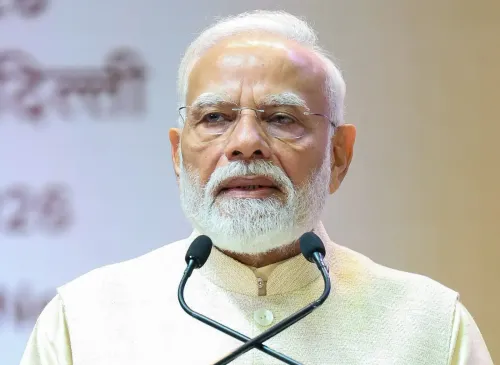
Dr. Yadav, posting in Hindi on X, said the reforms would 'kar anupalan aasaan' (make tax compliance easier) and expressed confidence that 'the trust of traders and entrepreneurs in the government will grow stronger.' He credited Prime Minister Narendra Modi's leadership for guiding the reform direction.
Why traders and entrepreneurs are watching
Since GST's rollout in July 2017, the compliance architecture has been revised multiple times, but the fear of enforcement action — including arrest for alleged evasion — remained a friction point, particularly for smaller businesses navigating an unfamiliar digital tax system. Removing or relaxing those provisions signals a shift from punitive enforcement to facilitated compliance, a posture that business chambers have repeatedly lobbied for.
Automatic refunds address a parallel grievance: exporters and businesses with inverted duty structures often waited months to receive refunds, locking up liquidity. Streamlining that process directly eases cash flow for the very segment the government says it wants to scale up.
MP's stake in easing the GST load
Madhya Pradesh has been positioning itself as an investment destination — hosting successive investor summits and announcing manufacturing corridors. For a state government keen to attract industry, a more predictable and less adversarial central tax regime is a direct enabler of that pitch. Dr. Yadav's public backing of the Council's decisions underlines the alignment between state ambitions and the Centre's reform direction.
If implementation matches intent, India's ease-of-doing-business metrics — already climbing — stand to improve further. The GST Council has set the direction; the real test is in the fine print of the circulars that follow.
Point of View
As Dr. Yadav has done, is part of a deliberate political choreography: it reinforces cooperative federalism optics while also signalling to investors that both Centre and states are aligned. The removal of arrest provisions is particularly significant — it addresses a long-standing criticism that GST's enforcement tools were disproportionate for small offences. Whether automatic refunds deliver on their promise will depend on the backend digital infrastructure, and that implementation gap is where the reform's real test will play out.
NationPress
9 Oct 2026
Frequently Asked Questions
What GST reforms did the GST Council approve?
The GST Council approved removal of arrest provisions for certain offences, introduction of automatic refunds, and broader procedural simplification to ease compliance for traders and businesses.
Why did MP CM Mohan Yadav comment on GST reforms?
Dr. Mohan Yadav welcomed the reforms as a boost to trader confidence and entrepreneurship, aligning with Madhya Pradesh's push to attract investment by improving the broader business environment.
Who chairs the GST Council?
The GST Council is chaired by the Union Finance Minister. As of October 2026, that position is held by Nirmala Sitharaman .
How do automatic GST refunds help businesses?
Automatic refunds eliminate lengthy manual paperwork that delayed working-capital for exporters and businesses with inverted duty structures, directly improving their cash flow.
What is the significance of removing GST arrest provisions?
Removing arrest provisions for certain GST offences reduces coercive compliance pressure on small traders and signals a shift from punitive enforcement to a facilitation-first approach.