USTR Greer: Trump tariffs boosted US leverage with India, key partners
Synopsis
US Trade Representative Jamieson Greer is claiming the Trump tariff blitz — despite a Supreme Court rebuke — has forced trade deals with India, the UK, the EU, Indonesia, and Japan. His 'wildly successful' verdict runs directly against mainstream economist consensus, setting up a defining test of whether tariff coercion actually delivers durable trade reform.
Key Takeaways
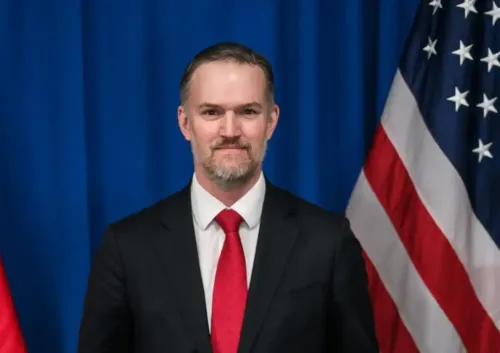
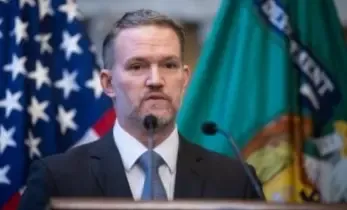
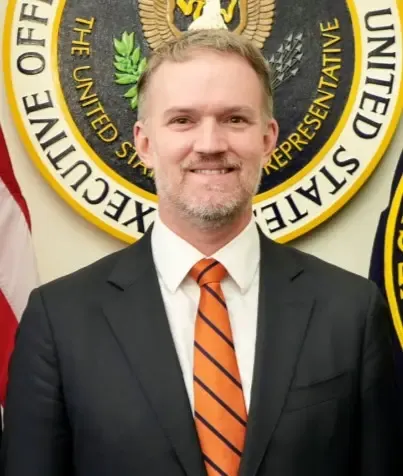
USTR Jamieson Greer defended President Trump 's tariff strategy in a New York Times interview published 21 July .
Greer cited trade negotiations with India , the UK , the EU , Indonesia , and Japan as evidence the approach is working.
The US Supreme Court struck down a significant portion of the tariff programme, but Greer said the administration has no regrets and is pursuing alternative legal authorities.
Greer claimed wins on trade deficit reduction , reshoring , manufacturing wages , and industrial productivity , though independent data verification remains limited.
He framed the policy as 'pro-America' rather than anti any specific country, signalling continued tariff pressure in ongoing negotiations.
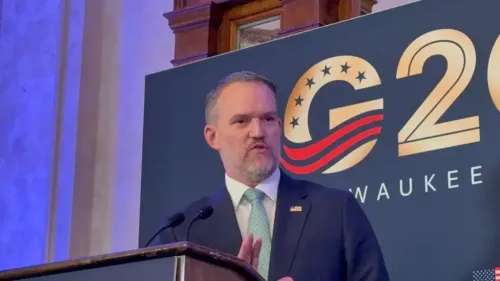
US Trade Representative Jamieson Greer has defended President Donald Trump's sweeping tariff strategy, asserting that it has significantly strengthened Washington's negotiating hand with major trading partners — including India — and accelerated the administration's push to revive American manufacturing. Greer made the remarks in an interview published by The New York Times on 21 July.
Greer's Core Argument
Greer said the administration moved aggressively on tariffs because it viewed America's widening trade deficit as an economic emergency demanding decisive action. He argued that broad-based tariffs had given Washington the leverage to negotiate new trade arrangements with multiple partners.
'They are. Yeah. I think we've been wildly successful,' Greer said when asked whether the tariff policy was working. 'Whenever you're trying to change policy in a big way and you're upending special interests or corporate interests, people are going to come back and try to fight that. They want the status quo. We don't want the status quo.'
Trade Deals Cited as Evidence
According to the interview, Greer pointed to trade negotiations with the United Kingdom, the European Union, Indonesia, India, and Japan as evidence that the tariff-first approach was producing tangible diplomatic results. He characterised these engagements as direct outcomes of the administration's willingness to impose sweeping duties.
Notably, the claim comes even as economists and business groups have criticised the tariff programme for raising consumer prices and disrupting global supply chains — concerns Greer dismissed as resistance from entrenched corporate interests.
Supreme Court Ruling and Legal Pushback
The US trade chief acknowledged that the Supreme Court had struck down a significant portion of the administration's tariff programme, but said he had no regrets. 'We're always going to get sued,' Greer said. 'There's always going to be people who are trying to make a buck on the back of the American worker, and they're always going to want to sue to maintain their business model.'
He said the administration was already exploring alternative legal authorities to preserve its trade agenda, signalling that the policy direction would not change despite the judicial setback.
What the Administration Claims to Have Achieved
'At the end of the day, we are winning in changing the trade policy. We're winning in getting the trade deficit down. We're winning in reshoring. We're winning in wages. We're winning on all these things. So I'm happy with where we are and where we're going,' Greer said.
He added that the strategy was less about confronting specific countries and more about rebalancing terms of trade in America's favour. 'It does mean, to the extent we have to take measures in other countries, we will. But it's less that we're anti any particular country and more we're just pro-America,' he said.
Long-Term Outlook
Rejecting criticism that the tariff approach had become politically unsustainable, Greer argued it should be judged over a longer horizon. He said the administration was already observing early signs of increased factory investment, higher manufacturing wages, and improving industrial productivity — though independent verification of these claims remains limited. 'The trade policy is really about wages and protecting manufacturing and agricultural production. And I think that the American people are going to see this over time,' he said.
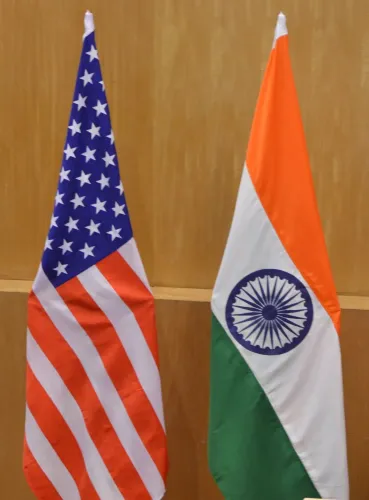
With the US-India trade relationship under active renegotiation, Greer's remarks signal that Washington intends to maintain tariff pressure as a core bargaining tool in the months ahead.
Point of View
Not an audited outcome. The Supreme Court's partial strike-down of the tariff programme is a material legal constraint the administration is still working around — not a settled matter. Citing trade talks with India, the UK, and the EU as wins conflates opening negotiations with closing them; none of these deals have been ratified. For India specifically, the tariff pressure has been a source of friction as much as a spur to engagement, and New Delhi has consistently resisted terms it views as asymmetric. The administration's long-term bet — that manufacturing wages and reshoring will vindicate the pain — remains unproven and will take years to test against the consumer price impact that critics are already documenting.
NationPress
20 Oct 2026
Frequently Asked Questions
What did USTR Jamieson Greer say about Trump's tariff strategy?
Greer said the tariff strategy has been 'wildly successful', arguing it strengthened the US negotiating position with trading partners including India, the UK, the EU, Indonesia, and Japan. He made the remarks in a New York Times interview published on 21 July.
How does the Trump tariff policy affect India?
Greer specifically named India as one of the countries with which the US has been able to advance trade negotiations as a result of the tariff pressure. The US-India trade relationship is currently under active renegotiation, and Washington has indicated it will maintain tariffs as a core bargaining tool.
Did the US Supreme Court block Trump's tariffs?
Yes, the Supreme Court struck down a significant portion of the administration's tariff programme. Greer acknowledged the ruling but said the administration had no regrets and was already pursuing alternative legal authorities to preserve its trade agenda.
What results is the Trump administration claiming from its tariff policy?
Greer claimed progress on reducing the US trade deficit, manufacturing reshoring, higher factory wages, and improved industrial productivity. However, independent verification of these claims remains limited, and critics — including economists and business groups — argue the tariffs have raised consumer prices and disrupted supply chains.
Why does the Trump administration say tariffs were necessary?
The administration viewed America's widening trade deficit as an economic emergency requiring decisive action. Greer argued that broad tariffs gave Washington the leverage to renegotiate trade terms with multiple partners and that the policy, while disruptive in the short term, would benefit American workers over time.