US Trade Rep Greer: Tariffs are Trump's key trade weapon, 19 deals struck
Synopsis
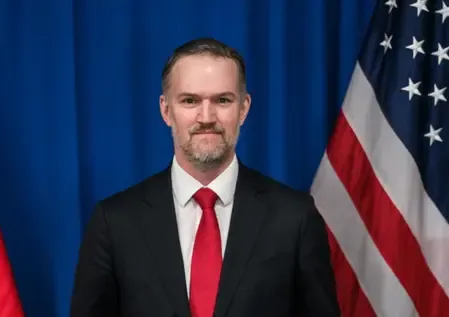
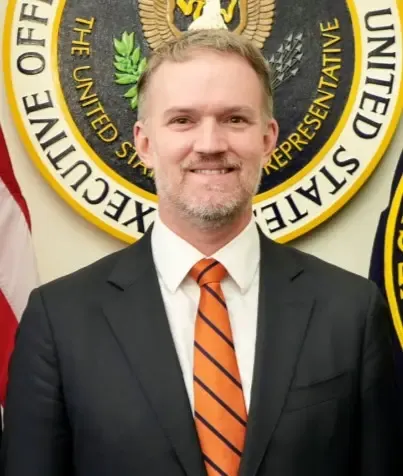
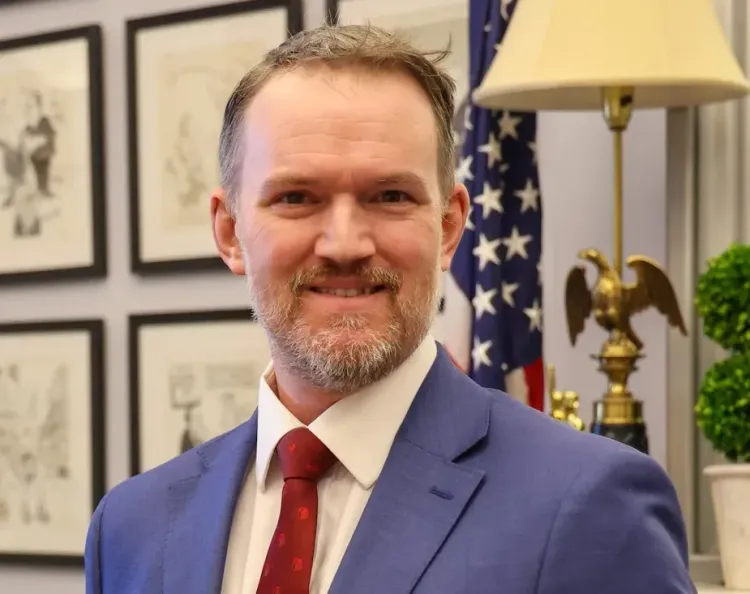
US Trade Representative Jamieson Greer told the Senate Finance Committee that tariffs are not a side effect of Trump’s trade policy — they are the policy. With 19 deals covering 32% of global GDP already claimed, and countries from Cambodia to the EU reportedly lowering barriers, Greer is making the case that economic coercion is working. Democrats are not convinced.
Key Takeaways
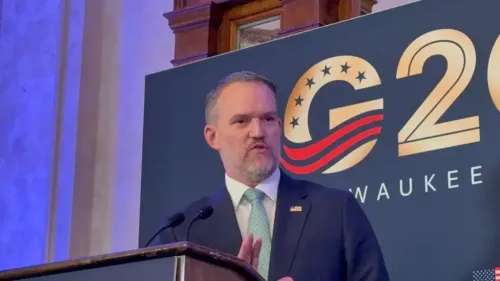
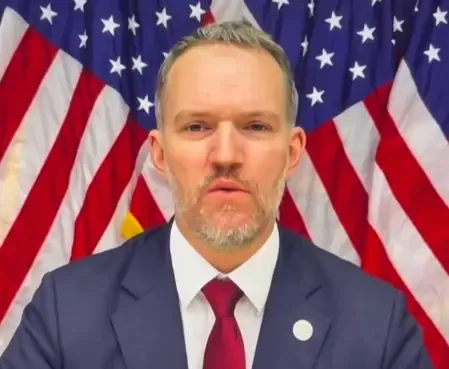
US Trade Representative Jamieson Greer testified before the Senate Finance Committee on 22 July , defending tariffs as deliberate negotiating tools, not punitive measures.
The administration claims 19 framework or reciprocal trade deals covering 32% of global GDP have been concluded.
Cambodia and North Macedonia have already removed all tariffs on US goods; Malaysia is preparing to reduce all tariffs to zero.
Israel has accepted American product standards; the EU has lowered industrial tariffs to zero and expanded agricultural quotas for the US.
Greer cited record US export volumes and a shift in imports toward machinery and equipment as evidence the strategy is working.
Democratic lawmakers argued tariffs have raised costs for consumers and businesses; Greer rejected those criticisms.
US Trade Representative Jamieson Greer told members of the Senate Finance Committee on Wednesday, 22 July that the Trump administration is deploying tariffs as deliberate leverage to pry open foreign markets, tighten enforcement, and accelerate the reindustrialisation of the American economy. Greer framed the approach as a new US trade doctrine — one built on reciprocal agreements backed by sustained tariff pressure rather than goodwill alone.
The Core Argument: Tariffs as Negotiating Tools
Greer was explicit that tariffs serve a dual purpose in the administration's playbook. “We are committed to continuing to use tariffs and to negotiate deals to support the reindustrialisation of our economy, protect American workers and increase their wages and shrink our trade deficit,” he told senators.
He pushed back firmly against characterisations of tariffs as purely punitive, arguing they are instruments designed to secure better market access for American businesses and workers. “Trade enforcement… means tariffs,” he said, adding that even where formal dispute settlement mechanisms exist, tariffs remain the ultimate enforcement backstop.
19 Deals, 32% of Global GDP
Greer claimed the administration had concluded 19 framework or reciprocal trade deals covering 32% of global gross domestic product. He cited the agreement with Indonesia as a concrete example, describing it as “substantive” and including tariff schedules. “I have a dozen more deals like this,” he added.
Among the countries cited: Cambodia had “already removed all of its tariffs” on US goods; North Macedonia had also eliminated tariffs; Malaysia was preparing to reduce all tariffs to zero and dismantle long-standing non-tariff barriers; Indonesia was expected to implement its commitments later this year; and Jordan had already signed a new agreement.
On major partners, Greer said Israel had accepted American product standards, while the European Union had lowered industrial tariffs to zero and expanded tariff-rate quotas for US agricultural exports.
Export Records and Shifting Import Mix
Greer argued the strategy was already delivering measurable outcomes. “Everyone said trade would collapse. We’ve never exported as much as we are now,” he said, claiming record American export volumes since the tariff-heavy approach took hold.
He also highlighted a shift in the composition of US imports — away from consumer goods and toward machinery and equipment needed to expand domestic manufacturing capacity. “The United States has not stopped trading with the world, but the composition of that trade has changed in a way that benefits Americans,” Greer said.
Democratic Pushback
Democratic lawmakers strongly disputed the administration’s claims during the hearing, arguing that tariffs had driven up costs for American consumers and businesses while generating uncertainty for farmers and manufacturers. Greer rejected those criticisms, maintaining that the strategy had expanded exports, reduced the trade deficit, and attracted new manufacturing investment into the United States.
What Comes Next
Greer signalled that enforcement would remain central to the administration’s posture going forward. “As long as I’m here, you can count on me to use whatever tools I have, whether it’s Section 301 or other tools, to enforce these agreements,” he told senators. Countries that have signed deals are expected to implement their commitments, with tariffs remaining the consequence of non-compliance.
Point of View
But ‘framework agreements’ are not binding treaties, and the gap between a signed framework and actual market-opening implementation has historically been wide. The shift in import composition from consumer goods to industrial machinery is a real data point worth watching, but it also reflects supply-chain disruption as much as deliberate policy success. For India and other large emerging-market trading partners still in negotiations with Washington, the message from Capitol Hill is unambiguous: tariff pressure is not going away, and the administration views it as a feature, not a bug.
NationPress
21 Oct 2026
Frequently Asked Questions
What did US Trade Representative Jamieson Greer say about tariffs?
Greer told the Senate Finance Committee on 22 July that tariffs are the Trump administration’s primary trade enforcement tool, not merely punitive measures. He argued they are designed to secure better market access, support reindustrialisation, and reduce the US trade deficit.
How many trade deals has the Trump administration claimed to have struck?
Greer said the US had concluded 19 framework or reciprocal trade deals covering 32% of global GDP. He cited Indonesia’s agreement as a substantive example with tariff schedules and annexes attached.
Which countries have agreed to lower trade barriers under these deals?
According to Greer, Cambodia and North Macedonia have already removed all tariffs on US goods. Malaysia is preparing to cut all tariffs to zero and eliminate non-tariff barriers. Israel has accepted American standards, and the EU has lowered industrial tariffs to zero while expanding agricultural quotas for US farmers.
What did Democratic lawmakers argue during the hearing?
Democratic members of the Senate Finance Committee argued that tariffs had increased costs for American consumers and businesses and created uncertainty for farmers and manufacturers. Greer rejected these criticisms, saying the strategy had expanded exports and encouraged new manufacturing investment.
What enforcement tools did Greer say the administration would use?
Greer said the administration would continue to use tariffs as the primary enforcement mechanism, including Section 301 authorities, to ensure countries honour their commitments. He stated that countries which have signed deals are expected to implement them fully.