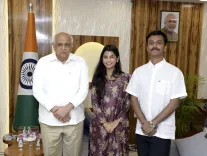
Gadkari flags global push for Nagpur's Dhapewada handloom cluster
Synopsis
Union Minister Nitin Gadkari has announced that Dhapewada near Nagpur — home to centuries-old handloom saree weaving — will receive international recognition, potentially plugging the cluster into global buyer networks and export platforms under India's handloom promotion framework.
Key Takeaways
Nitin Gadkari announced on 17 October 2026 that Dhapewada 's handloom tradition near Nagpur will get international recognition.
Dhapewada is a village in Maharashtra with a centuries-old tradition of handloom saree weaving.
India's Comprehensive Handloom Cluster Development Scheme has supported such clusters since the late 2000s with infrastructure and market linkage support.
The specific mechanism — scheme, GI tag, trade fair participation — has not yet been detailed publicly.
The post's hashtags ( #HandloomCluster , #DhapewadaTextile ) suggest a coordinated branding and promotion effort is underway.
International exposure could help Dhapewada's weavers access better prices, stable export orders, and design investment.
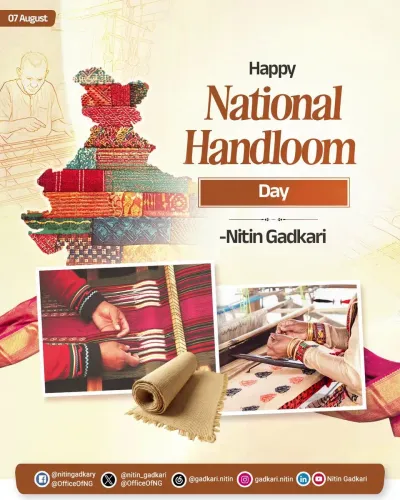
Centuries of silk and cotton woven by hand in a single village near Nagpur may finally find their way onto global retail shelves. Union Road Transport and Highways Minister Nitin Gadkari announced on Saturday, 17 October 2026 that the age-old handloom weaving tradition of Dhapewada is set to receive international recognition, signalling a push to take one of Maharashtra's quietest craft legacies to the world stage.
In his post on X, Gadkari wrote: 'नागपुर के धापेवाडा की सदियों पुरानी हथकरघा बुनकरी को अब मिलेगी अंतरराष्ट्रील पहचान!' — 'The centuries-old handloom weaving of Dhapewada, Nagpur, will now get international recognition!' The exclamation carries real weight: Dhapewada's weavers have long produced distinctive sarees but remained largely invisible beyond regional markets.
Dhapewada's handloom identity — what makes it distinctive
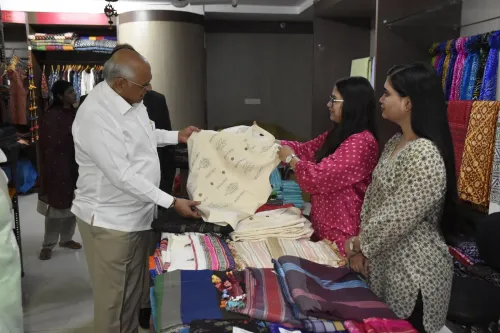
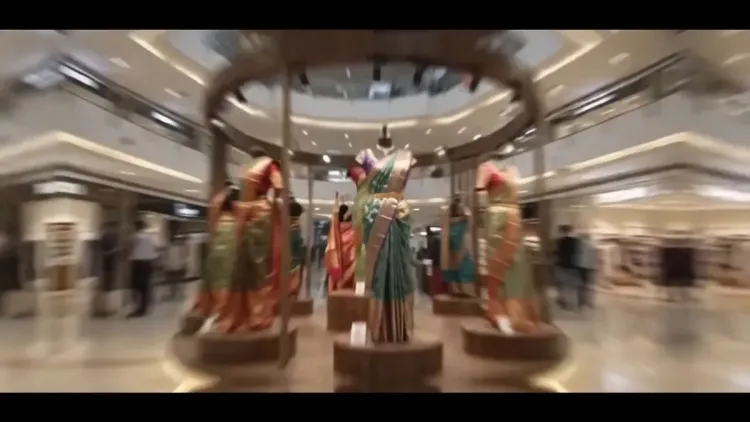
Dhapewada, a village on the outskirts of Nagpur in Maharashtra, has sustained a handloom weaving tradition spanning several generations, with its sarees known for traditional motifs and fine craftsmanship. Despite the richness of the craft, weavers have historically struggled with limited market access, outdated infrastructure, and negligible export exposure — the familiar triple trap for India's rural artisan clusters.
Gadkari, who represents Nagpur in Parliament and has consistently championed local development projects in the region, has now pointed a national spotlight at the cluster. The announcement places Dhapewada within a broader government effort to modernise and market India's handloom heritage.
The Handloom Cluster push behind the promise
India's Comprehensive Handloom Cluster Development Scheme, active since the late 2000s, has been the primary policy vehicle for upgrading traditional weaving pockets — providing support for design development, common facility centres, and crucially, linkages to buyers and export markets. Dhapewada's prospective inclusion or upgrading under such a framework would mean infrastructure investment, design modernisation, and entry into international buyer-seller platforms or textile fairs.
Central government initiatives in this space have consistently aimed at one objective: increasing India's share of global handloom exports while keeping the artisan at the centre. India remains one of the world's largest handloom producers, but a disproportionate share of value addition and margin has historically leaked to intermediaries and away from the weaver.
What 'international recognition' could mean for Dhapewada's weavers
The precise mechanism — whether a new cluster scheme, a geographic indication tag push, participation in upcoming international textile fairs, or a buyer-seller linkage programme — has not been detailed in the post. But the direction is clear. For Dhapewada's weavers, international visibility translates directly into better prices, stable orders, and the kind of design investment that keeps a craft alive across generations.
The hashtags #HandloomCluster, #DhapewadaTextile, and #HandloomSaree in the post suggest a coordinated branding effort is already underway — not just a political gesture. When a minister brands a village cluster this deliberately, implementation conversations are usually already in motion.
Point of View
As always, is in the implementation detail. Dhapewada sits in his home constituency of Nagpur, which adds both political motivation and, potentially, the ministerial muscle to fast-track bureaucratic steps. The broader textile modernisation arc under the current government has pushed geographic branding and international trade fair exposure as the two fastest levers for artisan income; Dhapewada's trajectory will depend heavily on which of those levers gets pulled first and with what financial commitment. If the international recognition materialises beyond hashtags into verified buyer linkages, it becomes a replicable model for dozens of similar micro-clusters across the Vidarbha region.
NationPress
17 Oct 2026
Frequently Asked Questions
What is Dhapewada known for?
Dhapewada is a village near Nagpur in Maharashtra known for its centuries-old tradition of handloom saree weaving, featuring traditional motifs and fine craftsmanship.
What did Nitin Gadkari say about Dhapewada handloom?
Nitin Gadkari announced on 17 October 2026 that the age-old handloom weaving tradition of Dhapewada will now receive international recognition, signalling a push to link the cluster to global markets.
What is the Comprehensive Handloom Cluster Development Scheme?
The Comprehensive Handloom Cluster Development Scheme is a central government programme active since the late 2000s that provides infrastructure, design, and market-linkage support to traditional handloom weaving clusters across India.
How will international recognition help Dhapewada weavers?
International recognition can open up export markets, better buyer prices, participation in global textile fairs, and design investment that helps sustain and modernise the traditional craft while improving weaver incomes.
Is Dhapewada in Nitin Gadkari's constituency?
Dhapewada is near Nagpur , which is the parliamentary constituency represented by Nitin Gadkari , making the development of this cluster both a regional priority and a political focus for him.