FM Sitharaman Meets Gadwal Saree Weavers in Mahabubnagar
Synopsis
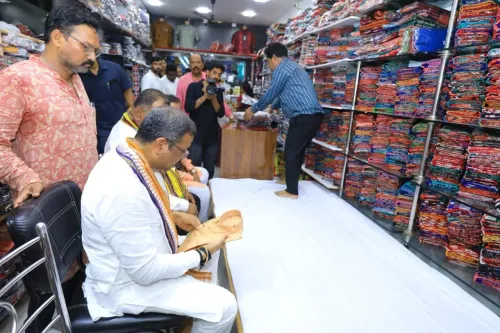
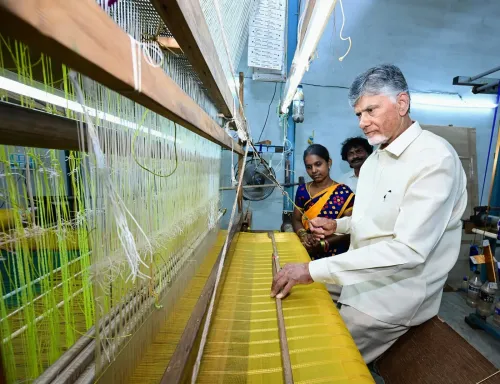
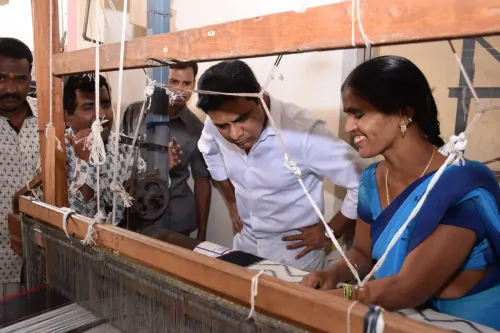
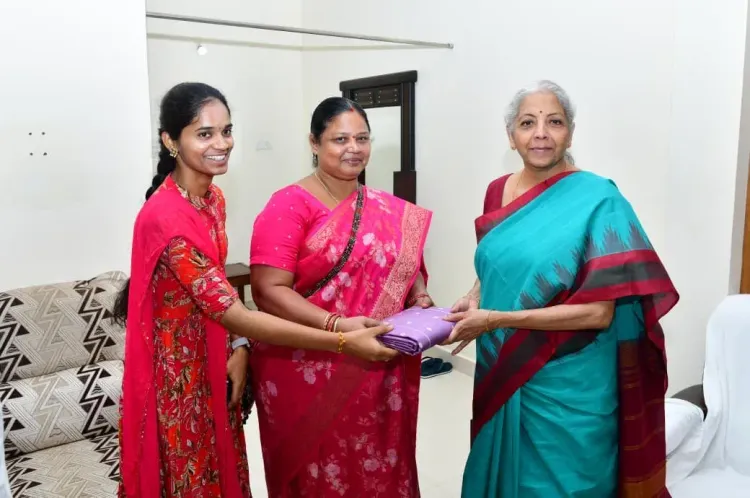
Union Finance Minister Nirmala Sitharaman met Gadwal saree weavers in Mahabubnagar, Telangana, in a field interaction with one of the state's most recognised GI-tagged handloom clusters. The visit, shared on X with photographs, comes against the backdrop of successive Union Budget allocations for handloom development and renewed political focus on artisan livelihoods in Telangana.
Key Takeaways
Union Finance Minister Nirmala Sitharaman interacted with Gadwal saree weavers in Mahabubnagar, Telangana .
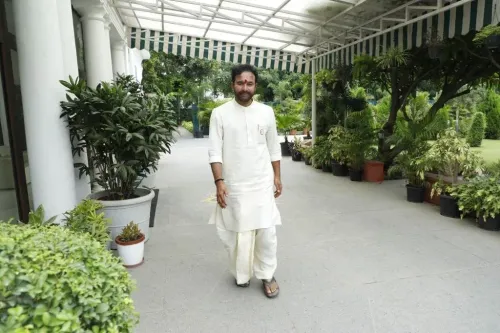
The post on X carried four photographs from the on-ground engagement.
Gadwal sarees received a Geographical Indication tag in 2005 , protecting their traditional designs.
The visit fits a pattern of ministerial field engagements with handloom clusters across India.
Successive Union Budgets have carried allocations for handloom development under the Ministry of Textiles .
No new scheme or financial allocation was announced in the post itself.
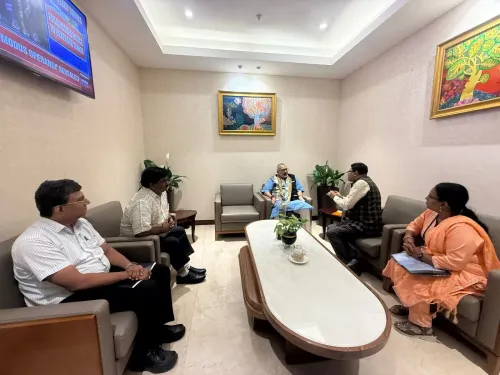
Union Finance Minister Nirmala Sitharaman on Thursday interacted with local Gadwal saree weavers in Mahabubnagar district of Telangana, in a ground-level engagement with one of the state's most recognised handloom clusters. The visit, shared by her office on X with photographs from the interaction, placed the spotlight on artisan livelihoods and the future of traditional weaving in southern Telangana.
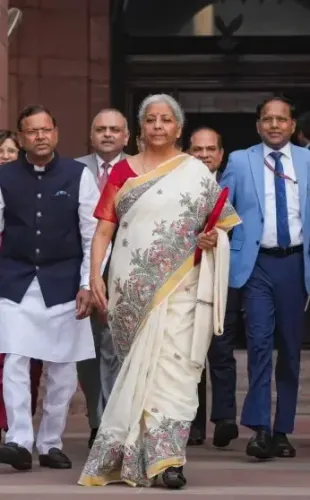
The post from the minister's official handle stated that 'Smt Nirmala Sitharaman interacts with local Gadwal Saree Weavers in Mahabubnagar, Telangana', accompanied by four images from the engagement. The interaction comes as part of a wider pattern of ministerial field visits to handloom clusters across the country.
Context
Gadwal sarees, named after the town of Gadwal in the erstwhile Mahabubnagar district, are among Telangana's most distinctive handloom products. They are recognised for their cotton bodies woven with silk borders and pallus, often featuring zari work and motifs drawn from temple architecture.
The craft received a Geographical Indication (GI) tag in 2005, a legal recognition aimed at protecting the saree's traditional design vocabulary and weaving techniques from imitation, and at strengthening market premium for authentic artisans.
Policy backdrop
Successive Union Budgets, several of them presented by Sitharaman herself as Finance Minister since 2019, have carried allocations for handloom development, cluster modernisation and credit access for weavers under the Ministry of Textiles. Schemes have historically focused on yarn supply, common facility centres, design inputs and welfare cover for artisans.
Field interactions of this kind typically allow the political leadership to gather direct feedback on the implementation of these programmes — from raw material costs and wage realisations to challenges in accessing institutional credit and digital marketplaces. For a Finance Minister, such visits also feed into pre-Budget consultations on rural micro-enterprise support.
Stakeholders and impact
The most immediate stakeholders are the handloom weavers and textile artisans of the Gadwal cluster, many of whom operate as household units or small cooperatives. Their concerns commonly span pricing pressure from power-loom imitations, fluctuating silk and zari input costs, and the need for steadier market linkages beyond seasonal demand.
The visit also carries a political signal in Telangana, where the BJP has been working to expand its footprint. Engagement with a GI-tagged craft cluster blends cultural acknowledgement with an economic message aimed at artisan households, a constituency that cuts across traditional caste and party lines in the region.
For the broader handloom economy, ministerial attention to a specific cluster often translates into renewed administrative focus from state textile departments, handloom development corporations and lending institutions tasked with weaver credit.
What's next
Observers will watch for any follow-through in subsequent policy statements — whether through state-level implementation updates on existing textile welfare programmes, or fresh references to handloom allocations and cluster schemes in the next Union Budget. The Finance Ministry has not, in this post, announced any specific new measure for the Gadwal cluster.
The interaction nonetheless reinforces a recurring template in Indian welfare politics: pairing visible engagement with traditional crafts with the longer arc of budgetary support for rural micro-enterprises. For Gadwal's weavers, the test will lie in whether the visit translates into measurable improvements in incomes, credit access and market reach in the months ahead.
Point of View
Signalling both cultural acknowledgement and economic intent. For a Finance Minister, such field interactions double as informal pre-Budget consultations on rural micro-enterprises. In Telangana, where the BJP is steadily working to widen its base, the choice of Mahabubnagar's weavers also carries a political subtext. The real test, as always with handloom outreach, will be whether attention translates into measurable gains in weaver incomes and credit access.
NationPress
19 Sept 2026
Frequently Asked Questions
Who did Nirmala Sitharaman meet in Mahabubnagar?
Union Finance Minister Nirmala Sitharaman met local Gadwal saree weavers in Mahabubnagar district of Telangana during a field interaction shared on her office's X handle.
What are Gadwal sarees known for?
Gadwal sarees are handwoven textiles from Telangana known for cotton bodies paired with silk borders and pallus, often featuring zari work and temple-inspired motifs. They received a Geographical Indication tag in 2005.
Why is the GI tag for Gadwal sarees important?
The Geographical Indication tag, granted in 2005, legally protects the traditional designs and weaving techniques of Gadwal sarees from imitation and helps authentic artisans command a market premium.
Did Sitharaman announce any new scheme for weavers?
The post on X did not announce any new scheme or financial allocation for the Gadwal cluster. It described an interaction with local weavers and included four photographs from the visit.
How does the Union government support handloom weavers?
Successive Union Budgets have carried allocations under the Ministry of Textiles for handloom development, cluster modernisation, yarn supply, common facility centres and welfare cover for artisans.