Gadkari Launches Rapido-MoRTH RahVeer Road Safety Scheme

Synopsis
Union Minister Nitin Gadkari launched the RahVeer Scheme under a Rapido-MoRTH Road Safety Partnership in New Delhi on June 8, 2026, targeting emergency response, responsible driving, and citizen participation on national highways under Sadak Suraksha Abhiyan 2026.
Key Takeaways
Union Minister Nitin Gadkari launched the RahVeer Scheme in New Delhi on June 8, 2026 .
The scheme is a formal partnership between ride-hailing platform Rapido and the Ministry of Road Transport and Highways (MoRTH) .
It operates under the Sadak Suraksha Abhiyan 2026 national road safety campaign.
Key objectives include strengthening emergency response systems , promoting responsible driving , and expanding citizen participation on national highways.
The initiative extends India's public-private road safety model, previously seen in e-challan systems and vehicle fitness drives.
State-level rollout and integration with highway emergency services are expected to be the next milestones to watch.
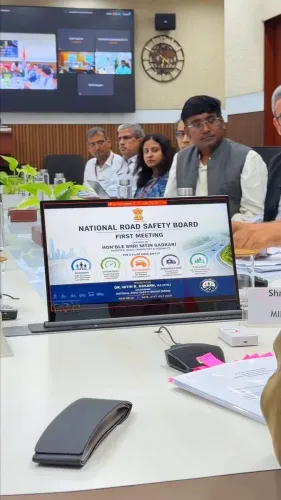
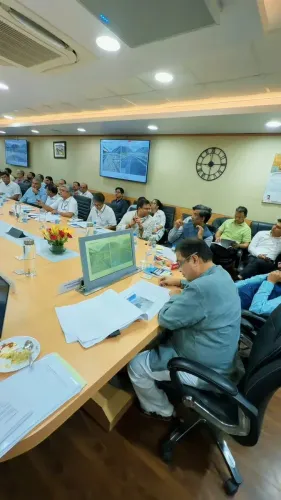
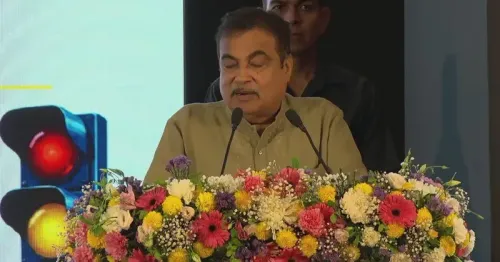
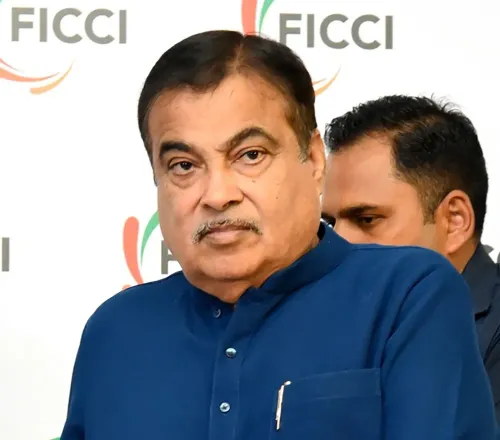
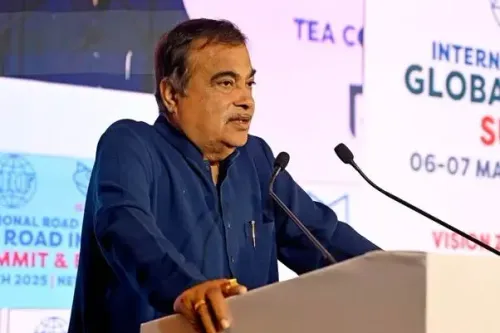
Union Road Transport and Highways Minister Nitin Gadkari on Monday, June 8, 2026, launched the Rapido and MoRTH Road Safety Partnership for the RahVeer Scheme under the Sadak Suraksha Abhiyan in New Delhi. The initiative brings together the central government and the ride-hailing platform Rapido in a formal collaboration aimed at reducing road fatalities on national highways. The scheme focuses on strengthening emergency response, promoting responsible driving, and expanding citizen participation in road safety.
Context
Gadkari announced the launch through a post on X, describing the initiative as a 'collaborative initiative' that 'aims to strengthen emergency response systems, promote responsible driving practices, and enhance citizen participation in saving lives on National Highways.' The scheme is being positioned under the broader Sadak Suraksha Abhiyan 2026 umbrella, which carries the campaign tagline Parvah Se Kartavya Tak (From Concern to Duty). The hashtag KartavyaKaydaKavachKranti signals a four-pillar framing around duty, law, protection, and transformation.
The RahVeer Scheme is a new programme specifically created under the Rapido-MoRTH partnership. While the Ministry of Road Transport and Highways (MoRTH) serves as the nodal policy body, Rapido — one of India's largest two-wheeler and cab ride-hailing platforms — brings a network of drivers and on-ground presence across urban and highway corridors.
Policy Backdrop
India's road safety legislative framework was significantly reinforced by the Motor Vehicles (Amendment) Act, 2019, which introduced steeper penalties, enhanced enforcement mechanisms, and clearer provisions for accident response. Sadak Suraksha Abhiyan has been conducted annually by MoRTH since the mid-2010s as a public education and enforcement drive targeting national highway users.
The new partnership extends a pattern of public-private collaboration that has previously shaped initiatives such as e-challan systems and vehicle fitness digitalisation. Engaging a private mobility aggregator like Rapido marks a step toward embedding road safety responsibilities within the commercial transport ecosystem rather than relying solely on government machinery.
Stakeholders and Impact
The scheme directly concerns highway users, ride-hailing drivers, emergency responders, and state transport departments. Rapido's driver network, which operates heavily on two-wheelers, represents a segment of road users that faces disproportionately high accident risk. Training and mobilising these drivers as first-responders or safety advocates could meaningfully extend the reach of emergency response on national highways.
Citizen participation is a stated pillar of the RahVeer Scheme, suggesting a volunteer or community-reporting component alongside formal enforcement. This approach mirrors global models where mobility platform workers are integrated into public safety infrastructure, though specific operational details of the scheme's rollout are yet to be publicly detailed.
What's Next
Attention will now turn to the implementation metrics and state-level rollout of the RahVeer Scheme, including whether it will be integrated with existing highway emergency helplines or extended to additional mobility companies beyond Rapido. The success of the initiative will likely be measured against accident and fatality data on national highways in the months ahead. With Sadak Suraksha Abhiyan 2026 as the campaign frame, the government is expected to track participation numbers and emergency response outcomes as key indicators.
Point of View
Gadkari reinforces a campaign-style approach to road safety that generates visible public engagement ahead of any measurable outcome data. The choice of Rapido, a platform dominant in the two-wheeler segment where fatality risk is highest, is strategically targeted rather than symbolic. The broader arc points toward a model where private aggregators bear formal responsibility for driver safety standards, potentially reshaping regulatory expectations for the ride-hailing sector.
NationPress
19 Sept 2026
Frequently Asked Questions
What is the RahVeer Scheme launched by Nitin Gadkari?
The RahVeer Scheme is a road safety initiative launched under a partnership between Rapido and the Ministry of Road Transport and Highways (MoRTH), aimed at strengthening emergency response on national highways, promoting responsible driving, and encouraging citizen participation in road safety.
What is Sadak Suraksha Abhiyan 2026?
Sadak Suraksha Abhiyan 2026 is the latest edition of MoRTH's annual national road safety awareness and enforcement campaign, running under the tagline 'Parvah Se Kartavya Tak' (From Concern to Duty).
Why has Rapido partnered with MoRTH for road safety?
Rapido, as a major ride-hailing platform operating two-wheelers and cabs across India, has partnered with MoRTH to leverage its driver network for emergency response and safety awareness on national highways, extending the government's reach beyond traditional enforcement channels.
Where was the RahVeer Scheme launched?
The RahVeer Scheme was launched in New Delhi on June 8, 2026, by Union Minister Nitin Gadkari.
What does the Motor Vehicles Amendment Act 2019 have to do with road safety in India?
The Motor Vehicles (Amendment) Act, 2019 significantly strengthened India's road safety framework by increasing penalties for traffic violations, improving enforcement mechanisms, and clarifying provisions for accident response — forming the legislative backbone for campaigns like Sadak Suraksha Abhiyan.