Gadkari: PM Modi celebrates Diwali with security forces in Bastar
Synopsis
PM Narendra Modi marked Diwali 2026 by celebrating with security forces in Naxal-affected Bastar, Chhattisgarh. Union Minister Nitin Gadkari shared the moment on X, framing the visit under the government's #NaxalFreeIndia goal.
Key Takeaways
PM Narendra Modi celebrated Diwali 2026 with security personnel stationed in Bastar, Chhattisgarh , one of India's most active counterinsurgency zones.
Union Minister Nitin Gadkari shared the moment on X on Sunday, November 8, 2026 , calling the security forces 'guardians of our nation.' The post carried the hashtag #NaxalFreeIndia , explicitly linking the festive visit to the government's stated policy goal in Chhattisgarh.
Festival visits by senior leaders to troops in insurgency zones are an established morale-boosting practice; a Prime Ministerial presence amplifies the signal significantly.
Successive governments since the 2000s have paired security operations in Bastar with infrastructure and development programmes in tribal districts.
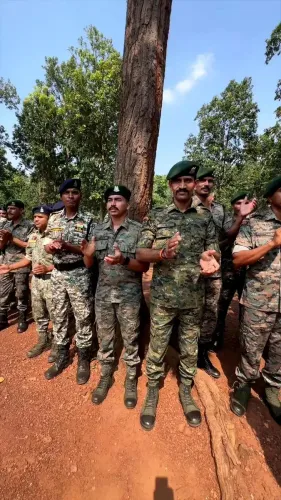
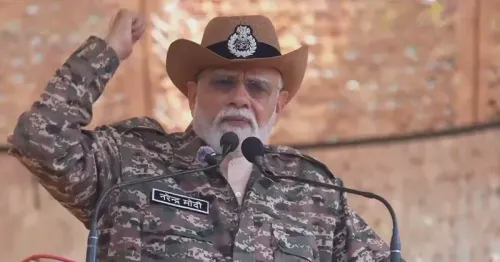
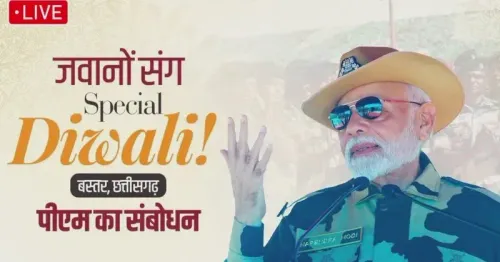
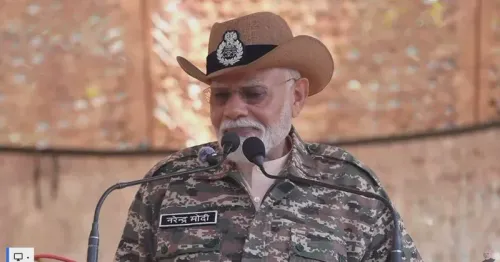
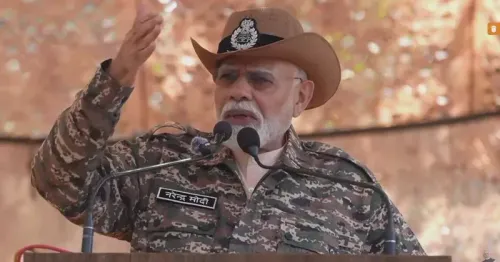
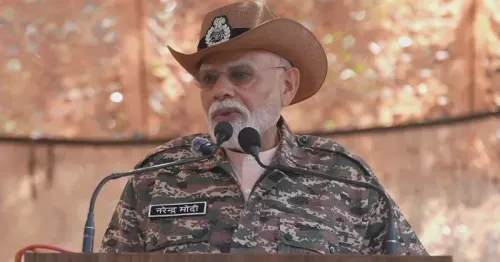
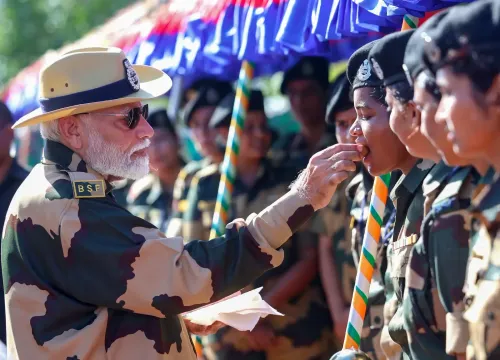
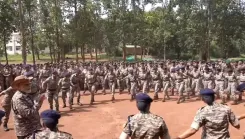
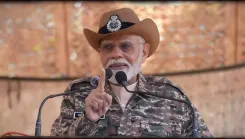
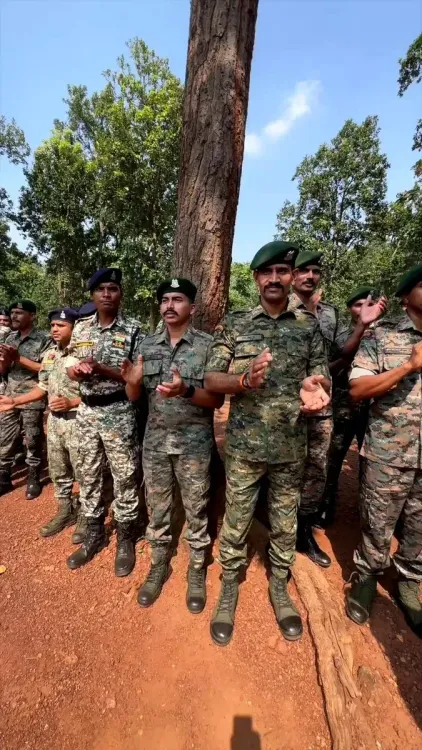
In one of the most symbolic Diwali gestures a sitting Prime Minister can make, Prime Minister Narendra Modi celebrated the festival of lights alongside security personnel in Bastar, Chhattisgarh — a region that has long stood at the sharp edge of India's battle against left-wing extremism. Union Road Transport and Highways Minister Nitin Gadkari shared the moment on Sunday, November 8, 2026, framing it as a tribute to the 'guardians of our nation.'
A Diwali in Bastar's heartland
Bastar is not a ceremonial backdrop — it is one of the most operationally intense zones in India's decades-long effort to dismantle Naxalite networks. Security personnel posted there spend festivals far from home, in difficult terrain, under persistent threat. A Prime Ministerial visit during Diwali is a deliberate signal: that the state sees them, and that the fight they are part of is considered consequential enough to mark personally.
Gadkari's post carried the hashtags #NaxalFreeIndia and #Deepavali2026, tying the festive occasion directly to the government's stated security objective in Chhattisgarh. The pairing is intentional — it frames the celebration not just as morale-boosting but as a marker of progress toward a specific policy goal.
Bastar's long road: security operations and the development push
Successive central governments since the 2000s have run coordinated operations in Naxal-affected districts of Chhattisgarh, combining security action with infrastructure and welfare programmes. Bastar has sat at the centre of that effort — a constellation of tribal districts where the state has attempted to advance roads, schools, and connectivity alongside a tightened security cordon.
Festival visits by senior leaders to troops in insurgency zones are a recurring practice, designed to sustain morale in a posting that asks men and women to endure genuine danger in relative isolation. When the visitor is the Prime Minister, the message carries further — to the forces on the ground, to the communities around them, and to the political conversation back in Delhi.
The #NaxalFreeIndia framing signals that the government views Bastar's trajectory not as an open-ended counterinsurgency but as a campaign with a defined endpoint — one close enough to name in a Diwali post.
What Modi's Bastar visit says about 2026
That a Prime Minister chose Bastar — over the many ceremonial options available on Diwali — tells its own story. It is a statement about where the administration believes the country's attention should be anchored on its most prominent festival night: not in a stadium or a capital city, but with the personnel holding the line in Chhattisgarh's southern forests.
For the security forces there, the message is unambiguous. For the broader political audience watching, the hashtag does the rest of the work.
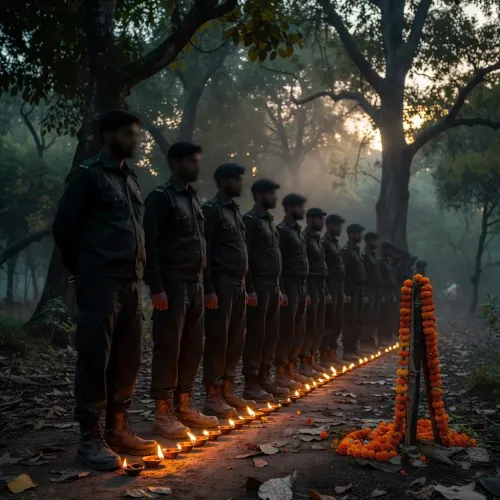
The lamps may have been lit in Bastar this Diwali — but the government is signalling that the final light it is working toward is a district, and a country, free of left-wing insurgency for good.
Point of View
It also reinforces a broader governance story: that strong-state action in difficult terrain is delivering results. The gesture is traditional in form but pointed in content — Bastar is not a neutral venue.
NationPress
8 Nov 2026
Frequently Asked Questions
Why did PM Modi visit Bastar on Diwali 2026?
PM Modi celebrated Diwali with security forces deployed in Bastar, Chhattisgarh, a region long affected by Naxalite insurgency, to boost troops' morale during the festival. The visit was shared publicly by Union Minister Nitin Gadkari under the hashtag #NaxalFreeIndia.
What is the significance of Bastar in the Naxalite context?
Bastar is a district in southern Chhattisgarh and one of the most operationally intense zones of India's decades-long campaign against left-wing extremism. Security forces have maintained a heavy presence there, supported by central government operations and development programmes since the 2000s.
What does #NaxalFreeIndia mean?
#NaxalFreeIndia is a hashtag used by government leaders and supporters to signal the goal of eliminating Naxalite insurgency from affected districts in central and eastern India, particularly in Chhattisgarh's tribal belt.
What did Nitin Gadkari post about PM Modi's Diwali visit?
Union Minister Nitin Gadkari posted on X on November 8, 2026, sharing a video of PM Modi celebrating Diwali with security personnel in Bastar and describing the forces as 'guardians of our nation,' using the hashtags #NaxalFreeIndia and #Deepavali2026.
Is it common for Indian Prime Ministers to spend Diwali with security forces?
Yes. Senior political leaders, including Prime Ministers, have a long-standing practice of visiting security forces in forward or insurgency-affected areas during major festivals to boost morale and demonstrate solidarity with deployed personnel.