Gadkari pushes states to adopt Motor Vehicle Aggregator rules for driver welfare
Synopsis
Nitin Gadkari is pushing states to implement India's revised Motor Vehicle Aggregator Guidelines, 2025 — rules that guarantee drivers at least 80% of the applicable fare, ₹5 lakh health cover, ₹10 lakh term insurance and the right to work across competing platforms. With India's gig workforce expanding fast but labour protections thin, this framework is one of the most substantive regulatory interventions the Centre has yet attempted for platform workers.
Key Takeaways
Union Minister Nitin Gadkari urged state governments on 19 November 2026 to adopt the Motor Vehicle Aggregator framework to boost driver welfare and employment.
The revised Motor Vehicle Aggregator Guidelines, 2025 guarantee drivers a minimum 80% share of applicable fares when using their own vehicles.
Drivers are entitled to health insurance of ₹5 lakh and term insurance of at least ₹10 lakh under the new rules.
Guidelines permit drivers to work across multiple aggregator platforms , ending de facto exclusivity arrangements.
Mandatory 40-hour induction training and a 24x7 grievance officer at aggregator call centres are also required.
Gadkari linked the framework to India's broader Viksit Bharat 2047 vision, stressing that technological gains must reach disadvantaged communities.
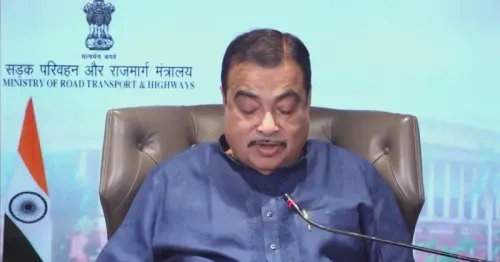
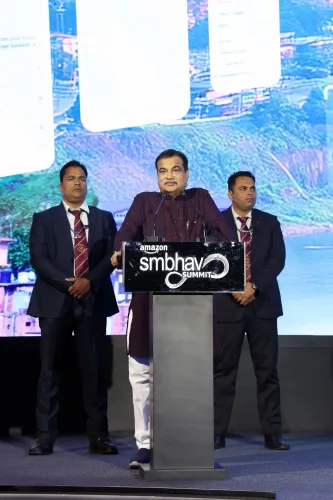
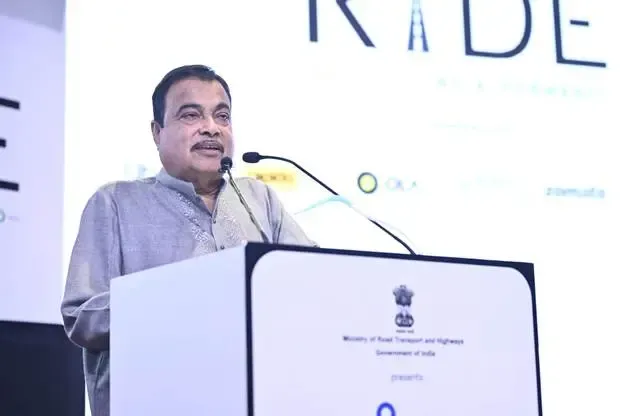
Union Minister Nitin Gadkari on 19 November 2026 called on state governments to adopt the Motor Vehicle Aggregator framework more widely, stressing its potential to generate employment — especially for people from socially, economically and educationally disadvantaged backgrounds. Gadkari made the remarks at an event in New Delhi that brought together industry representatives, drivers, gig workers and platform beneficiaries.
What Gadkari Said
The minister underlined the role of technology, digital platforms and innovation in addressing socio-economic challenges and creating sustainable livelihoods. He noted that app-based services have diversified well beyond passenger transport to include goods delivery and food services, opening up new income avenues for a broad cross-section of workers.
Gadkari cited mechanism-driven e-rickshaws and e-carts as concrete examples of how technology has modernised traditional occupations and reduced physical strain for workers. He also emphasised the importance of strengthening last-mile connectivity in rural areas — enabling communities to access education, employment and markets, as well as transport agricultural produce to urban centres.
The minister urged industry stakeholders to collaborate with the government and submit suggestions for refining the regulatory framework, adding that the benefits of technological progress must reach every section of society in line with the vision of Viksit Bharat 2047.
Key Provisions of the Motor Vehicle Aggregator Guidelines, 2025
CN Singh, Joint Secretary at the Ministry of Road Transport and Highways, outlined the revised Motor Vehicle Aggregator Guidelines, 2025, which were updated following consultations with state governments, aggregators and other stakeholders.
The guidelines mandate a minimum 80 per cent share of the applicable fare for drivers using their own vehicles. Drivers are also entitled to health insurance coverage of ₹5 lakh and a term insurance policy of at least ₹10 lakh.
Additional provisions include the freedom for drivers to register and work across multiple aggregator platforms, 40 hours of mandatory induction training, and the appointment of a 24x7 grievance officer through the aggregator's call centre to handle complaints from both drivers and passengers.
Why This Matters for India's Gig Economy
India's gig and platform workforce has expanded rapidly over the past decade, yet regulatory protection for these workers has lagged behind the sector's growth. The Motor Vehicle Aggregator framework represents one of the most structured attempts to bring labour protections to this segment without classifying gig workers as formal employees — a balance that policymakers across the world are still navigating.
Notably, the emphasis on enabling drivers to work across competing platforms is a significant departure from earlier norms that allowed aggregators to impose exclusivity, which critics argued suppressed driver earnings. The Centre's push for wider state adoption is also significant because transport is a concurrent subject — meaning meaningful implementation requires active cooperation from state governments.
What Happens Next
The government has encouraged state administrations to create an enabling environment for aggregator services and broaden participation in the emerging mobility ecosystem. Industry bodies and driver collectives are expected to submit further recommendations to the Ministry of Road Transport and Highways, with the revised guidelines already in effect following the stakeholder consultation process.
Point of View
2025 are more substantive than their low-profile rollout suggests. An 80% fare floor directly targets the rent extracted by platform intermediaries, and multi-platform freedom could meaningfully shift bargaining power toward drivers. The harder problem is implementation: transport is a concurrent subject, and several large states have yet to notify the framework. Gadkari's call for adoption is essentially an admission that the Centre cannot enforce this unilaterally. The guidelines also stop short of classifying gig workers as employees — a deliberate omission that keeps platform businesses viable but leaves drivers without provident fund contributions or collective bargaining rights. India's gig workforce is growing faster than the regulatory imagination surrounding it; this framework is a step, not an answer.
NationPress
19 Nov 2026
Frequently Asked Questions
What are the Motor Vehicle Aggregator Guidelines, 2025?
The Motor Vehicle Aggregator Guidelines, 2025 are revised rules issued by the Ministry of Road Transport and Highways that set minimum welfare standards for drivers working with app-based platforms such as ride-hailing and delivery services. They were updated following consultations with state governments, aggregators and other stakeholders, and cover fare shares, insurance, training and grievance redress.
What percentage of fare are drivers entitled to under the new guidelines?
Drivers who use their own vehicles are entitled to a minimum of 80% of the applicable fare under the Motor Vehicle Aggregator Guidelines, 2025. This provision is designed to limit the commission that aggregator platforms can retain.
What insurance benefits do the guidelines provide to drivers?
The guidelines mandate health insurance coverage of ₹5 lakh and a term insurance policy of at least ₹10 lakh for drivers registered with aggregator platforms. These are intended to provide a basic safety net for gig workers who are not covered under traditional employment benefit schemes.
Can drivers work for more than one aggregator platform under the new rules?
Yes. The revised guidelines explicitly permit drivers to register and operate across multiple aggregator platforms simultaneously, removing the exclusivity arrangements that critics argued suppressed driver earnings in the past.
Why are state governments important for implementing these guidelines?
Transport is a concurrent subject under the Indian Constitution, meaning both the Centre and state governments have legislative authority over it. The Motor Vehicle Aggregator framework can only be enforced in states that choose to adopt and notify it, which is why Minister Gadkari specifically called on state governments to create an enabling environment for the framework's implementation.