Gadkari Chairs RIDE Summit With Uber, Ola, Zomato on India Mobility
Synopsis
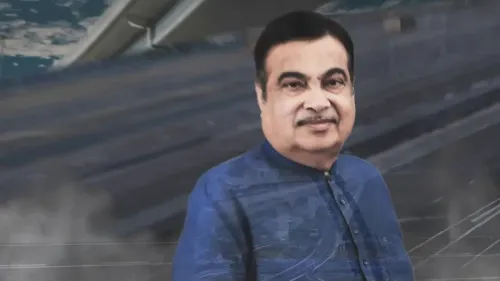
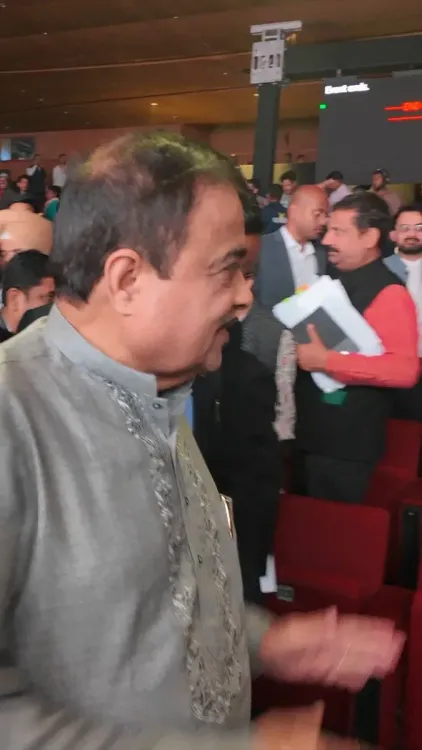
Union Minister Nitin Gadkari chaired the 'RIDE – Moving India Forward' summit in New Delhi on 19 November 2026, bringing together Uber, Ola, Rapido, Zomato, Swiggy and Porter to build a safer, more inclusive and sustainable mobility ecosystem through stronger government–industry collaboration.
Key Takeaways
RIDE – Moving India Forward was jointly organised by the Ministry of Road Transport and Highways with Uber, Ola, Rapido, Bharat Taxi, Zomato, Swiggy and Porter in New Delhi on 19 November 2026 .
Minister Nitin Gadkari emphasised government–industry collaboration to create a safe, inclusive and sustainable mobility ecosystem.
Gadkari highlighted three priorities: employment generation, affordable mobility access, and protection of transport-sector workers' interests.
Road safety was flagged as a cross-cutting concern, linking platform incentives to on-road fatality reduction.
The Motor Vehicles (Amendment) Act, 2019 and Bharatmala Pariyojana (2015) form the existing policy scaffold on which such engagements build.
Follow-up aggregator guidelines and gig-worker welfare measures are expected to be watched in the next parliamentary session.
India's urban mobility moment arrived with rare clarity on Thursday, 19 November 2026, when Union Road Transport and Highways Minister Nitin Gadkari convened the country's biggest ride-hailing and logistics platforms under one government roof — and pushed for a compact that is equal parts safety, sustainability, and worker welfare.
Seven Platforms, One Ministry, One Agenda
The summit, titled 'RIDE – Moving India Forward', was jointly organised by the Ministry of Road Transport and Highways alongside Uber, Ola, Rapido, Bharat Taxi, Zomato, Swiggy, and Porter — a line-up that spans cab aggregation, two-wheel delivery, and last-mile logistics. That breadth is not coincidental. India's gig-driven mobility economy now touches tens of millions of daily users and a workforce of platform-dependent drivers and delivery partners that runs into the millions. Gadkari used the platform to stress that this scale demands structured government–industry collaboration, not reactive regulation.
Gadkari's Three-Pillar Call: Employment, Access, Safety
The minister flagged three interlocking priorities. First, harnessing innovation to generate employment — an acknowledgement that ride-hailing and delivery platforms have become among the country's fastest informal job-creation engines. Second, expanding access to affordable mobility, particularly in Tier-2 and Tier-3 cities where public transport remains patchy. Third, and pointedly, safeguarding the interests of transport-sector workers — a signal that gig-worker welfare is now part of the ministry's formal vocabulary, not just a labour-ministry concern.
Road safety rounded out the message. India still records among the highest road-fatality counts in the world, and the aggregator ecosystem — with its pressure on speed and delivery timelines — has drawn scrutiny for contributing to on-road risk.
From Motor Vehicles Act to Bharatmala: The Policy Scaffolding
The gathering sits atop a decade of regulatory groundwork. The Motor Vehicles (Amendment) Act, 2019 introduced the first statutory framework for aggregator licensing and tightened road safety norms. The Bharatmala Pariyojana, launched in 2015, turbocharged national highway expansion and multimodal connectivity — the physical arteries that give platforms like these their operational reach. RIDE represents the logical next step: translating infrastructure investment and regulatory authority into a live dialogue with the platforms that run on top of it.
The question now is what follows the conversation. Watchers of the ministry will be tracking any new guidelines on ride-hailing aggregators, concrete gig-worker protections, or road-safety obligations likely to surface in the upcoming parliamentary session.
Point of View
Gadkari is signalling that the government intends to co-author — not merely regulate — the next phase of India's platform-mobility economy. The deliberate inclusion of gig-worker welfare alongside road safety suggests the ministry is broadening its mandate beyond infrastructure into labour-adjacent territory, likely anticipating pressure from both courts and Parliament. This positions the Road Transport Ministry as a lead actor in a space that has traditionally been contested between the Labour Ministry, state transport authorities, and platforms. If concrete guidelines emerge from RIDE, they could set a national template for aggregator accountability that the 2019 Motor Vehicles Act framework only sketched in outline.
NationPress
19 Nov 2026
Frequently Asked Questions
What is the RIDE – Moving India Forward summit?
'RIDE – Moving India Forward' is a mobility-focused event jointly organised by India's Ministry of Road Transport and Highways with ride-hailing and logistics platforms including Uber, Ola, Rapido, Bharat Taxi, Zomato, Swiggy and Porter, aimed at strengthening government–industry collaboration on safe, inclusive and sustainable mobility.
What did Nitin Gadkari say at the RIDE summit?
Gadkari emphasised three priorities: generating employment through innovation, expanding access to affordable mobility, and safeguarding the interests of transport-sector workers — all within a framework of improved road safety.
Which companies participated in the RIDE Moving India Forward event?
Seven platforms participated: Uber, Ola, Rapido, Bharat Taxi, Zomato, Swiggy and Porter, covering cab aggregation, two-wheel delivery and last-mile logistics.
What law governs ride-hailing aggregators in India?
The Motor Vehicles (Amendment) Act, 2019, introduced the first statutory framework for aggregator licensing and strengthened road safety norms in India.
What comes next after the RIDE summit?
Policy watchers are tracking potential follow-up guidelines on ride-hailing aggregators and new gig-worker welfare or road safety measures that could surface in the upcoming parliamentary session.