Gadkari Reviews 3,748 Km NH Projects in West Bengal
Synopsis
Union Minister Nitin Gadkari on June 1 reviewed quality and maintenance of 3,748 km of national highway projects in West Bengal alongside MoS Harsh Malhotra and NHAI, NHIDCL officials, directing accelerated works, tighter quality monitoring, and advance monsoon preparedness including drainage and slope protection.
Key Takeaways
3,748 km of national highway projects in West Bengal were reviewed for quality and maintenance progress on June 1, 2026 .
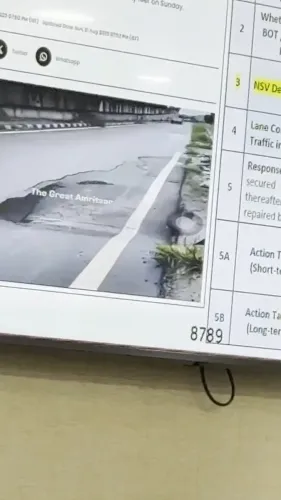
The review was triggered by inputs received through media and social media channels flagging on-ground concerns.
Minister Nitin Gadkari directed officials to accelerate works and adopt modern construction practices to improve asset life and riding quality.
Officials were instructed to prepare advance monsoon plans covering drainage management , slope protection, and quick-response mechanisms.
The meeting included MoS Harsh Malhotra , senior NHAI and NHIDCL officials, and project contractors.
The review reflects MoRTH 's broader shift toward lifecycle asset management under the Bharatmala Pariyojana framework.
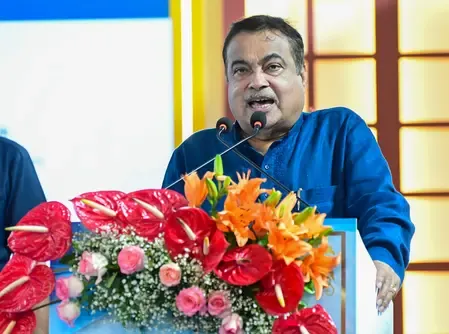
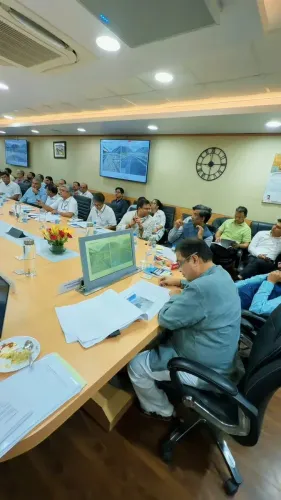
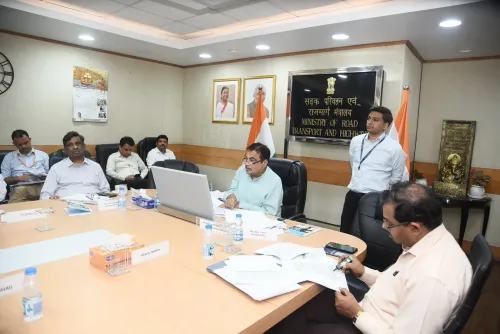
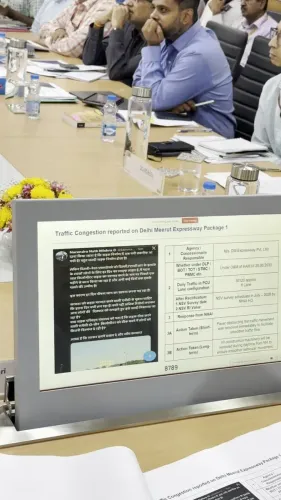
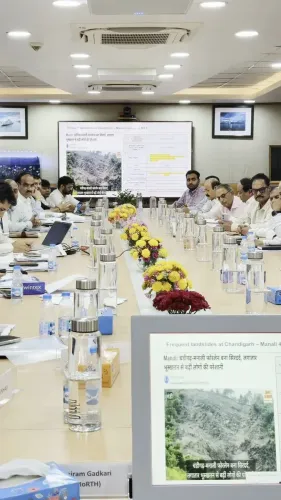
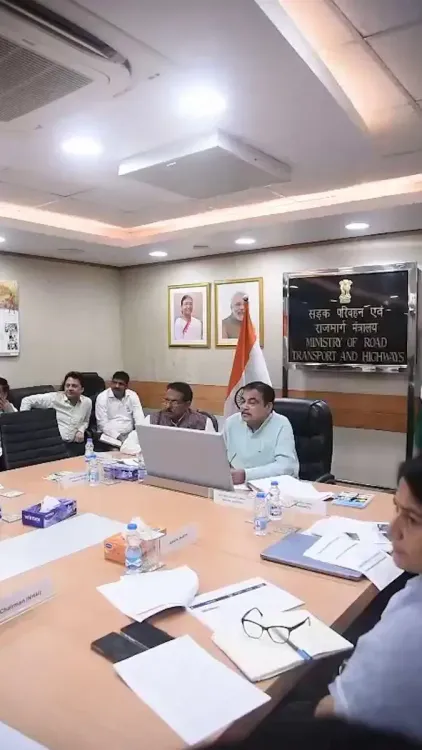
Union Road Transport and Highways Minister Nitin Gadkari on Monday, June 1, 2026, chaired a high-level review meeting in New Delhi to assess the quality and maintenance progress of national highway projects spanning 3,748 kilometres across West Bengal, following inputs received through media and social media channels.
Context
The review, held at the Ministry of Road Transport and Highways (MoRTH), brought together Union Minister of State Harsh Malhotra, senior officials from the National Highways Authority of India (NHAI), the National Highways and Infrastructure Development Corporation (NHIDCL), and project contractors. The meeting was convened specifically in response to concerns flagged through media reports and social media posts regarding the on-ground status of highway works in the state.
Gadkari stressed the need to accelerate on-ground works, tighten quality monitoring, and adopt modern construction practices aimed at enhancing asset life and improving riding quality across key corridors in West Bengal.
Policy Backdrop
The review is consistent with the Ministry's broader shift from purely targeting new construction milestones toward lifecycle asset management of the existing highway network. Under the Bharatmala Pariyojana — the umbrella national highway development programme launched in 2015 — quality benchmarks and corridor-level performance have become central to project evaluation.
Ministry directives issued between 2018 and 2020 had already emphasised the use of modern materials and technology to extend highway lifespans. Central government reviews of state-level projects have since become routine instruments to enforce these benchmarks and reduce execution delays.
A particular focus of Monday's meeting was advance monsoon preparedness. Gadkari instructed officials to undertake planning for drainage management, slope protection, and quick-response mechanisms to minimise disruptions during the upcoming monsoon season and ensure commuter safety.
Stakeholders and Impact
The 3,748-km network under review directly affects highway commuters, freight operators, and residents across West Bengal. Improved riding quality and uninterrupted connectivity on these corridors carry significant implications for the state's logistics and economic activity, particularly in eastern India where highway infrastructure has faced recurring monsoon-related disruptions.
Contractors and NHAI project teams are now expected to align their work schedules and quality protocols with the directions issued at the meeting. The emphasis on 'seamless connectivity across key corridors' signals that the Ministry views West Bengal's highway network as strategically important to the broader PM GatiShakti national master plan for integrated infrastructure.
What's Next
The Ministry is expected to follow up with project-specific timelines and compliance reports from NHAI and NHIDCL ahead of the monsoon. Any state-central coordination meetings between the West Bengal government and MoRTH to align on drainage and slope-protection works will be closely watched as the monsoon approaches. Gadkari's directive for 'quick-response mechanisms' suggests the Ministry may also put in place dedicated monitoring cells to track disruptions in real time once the rains arrive.
Point of View
But by the resilience and usability of what has already been constructed. For West Bengal, a state where the Centre and the ruling state government have often been at political odds, a high-profile central review of infrastructure quality carries both administrative and political weight. The directive fits neatly into the GatiShakti framework, reinforcing the narrative that corridor-level connectivity — not just aggregate construction numbers — is the new benchmark for highway governance.
NationPress
19 Oct 2026
Frequently Asked Questions
Why did Nitin Gadkari review West Bengal highway projects?
Gadkari convened the review following concerns flagged through media and social media about the quality and maintenance status of national highway projects in West Bengal, covering 3,748 km of corridors.
Which agencies were part of the West Bengal highway review meeting?
The meeting included Union MoS Harsh Malhotra, officials from NHAI, NHIDCL, and MoRTH, along with project contractors.
What is Bharatmala Pariyojana and how does it relate to West Bengal highways?
Bharatmala Pariyojana is the central government's umbrella national highway development programme launched in 2015. Several West Bengal highway projects fall under this scheme, making quality benchmarks and corridor performance central to their evaluation.
What monsoon preparedness steps did Gadkari direct for West Bengal highways?
Gadkari instructed officials to undertake advance planning for drainage management, slope protection, and quick-response mechanisms to minimise disruptions and ensure commuter safety during the monsoon season.
What is NHIDCL and what is its role in the West Bengal highway projects?
NHIDCL, the National Highways and Infrastructure Development Corporation Ltd, specialises in highway construction in challenging terrains and was among the agencies represented at the review meeting for West Bengal projects.