Gadkari Reviews 4,931 km of Telangana National Highways
Synopsis
Union Minister Nitin Gadkari reviewed the quality and maintenance of 4,931 km of National Highways in Telangana with NHAI and MoRTH officials in New Delhi on 24 June 2026, directing timely execution, advanced technology adoption, and full monsoon preparedness.
Key Takeaways
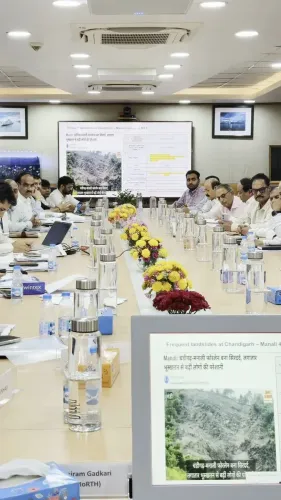
Gadkari chaired a review of 4,931 km of National Highways in Telangana on 24 June 2026 in New Delhi .
The review was prompted by feedback received through media and social media channels.
Officials from NHAI , MoRTH , and contractors participated in the meeting.
Gadkari directed adoption of advanced technologies and strict quality standards for highway maintenance.
A specific directive on monsoon preparedness was issued, covering preventive measures and robust response systems.
The review aligns with flagship frameworks including Bharatmala Pariyojana and PM GatiShakti .
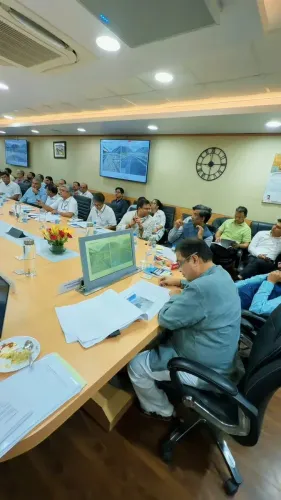
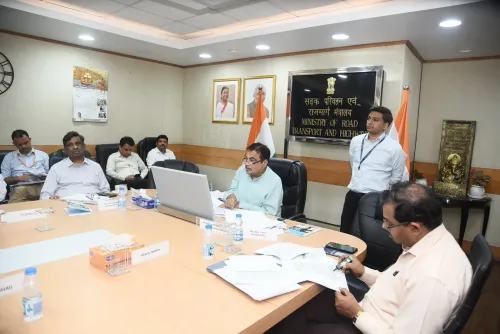
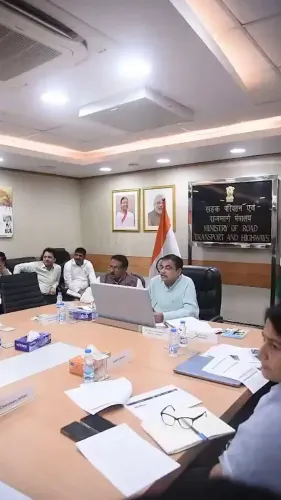
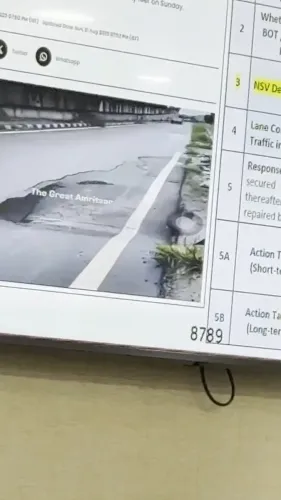
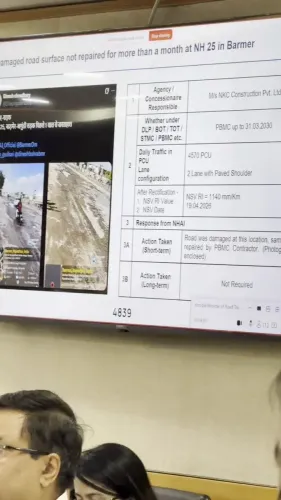
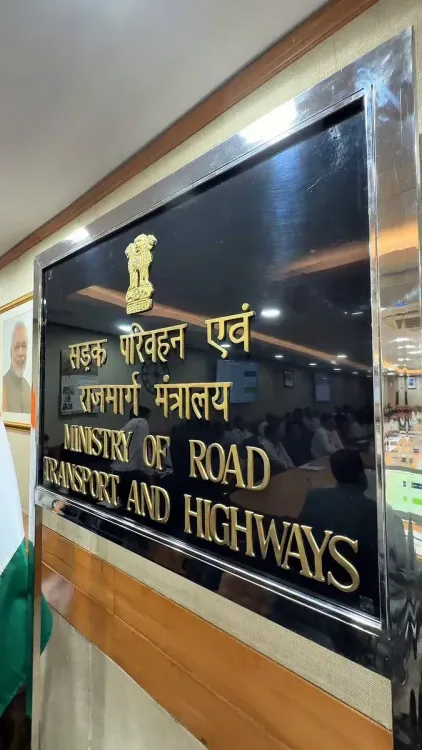
Union Road Transport and Highways Minister Nitin Gadkari on Wednesday, 24 June 2026 chaired a high-level review meeting in New Delhi, assessing the quality and maintenance progress of 4,931 kilometres of National Highways across Telangana with senior officials from the National Highways Authority of India (NHAI), the Ministry of Road Transport and Highways (MoRTH), and project contractors.
Context
Gadkari stated that the review was triggered by feedback received through media and social media channels, signalling a responsive approach to ground-level concerns about highway quality. He emphasised timely execution, strict quality standards, and the adoption of advanced technologies to ensure 'sustainable, efficient highways that strengthen connectivity, economic growth, and commuter convenience.' Officials were also directed to ensure full monsoon preparedness with preventive measures and robust response systems to uphold road safety and durability.
The meeting reflects the Centre's ongoing effort to monitor state-level highway performance through periodic reviews, particularly ahead of the monsoon season when road deterioration risks are highest.
Policy Backdrop
Telangana, carved out as a separate state in 2014, has seen significant national highway investment under the Bharatmala Pariyojana Phase-I, approved in 2017, which targets the construction of 34,800 km of national highways with a focus on economic corridors. The PM GatiShakti national master plan, launched in October 2021, further integrated highway projects with GIS-based planning across ministries to reduce logistics costs and improve multimodal connectivity.
NHAI introduced performance-based maintenance contracts and technology mandates for quality monitoring from 2018 onwards, tools that Gadkari's directive to adopt 'advanced technologies' directly reinforces. The hashtags #PragatiKaHighway (Progress on the Highway) and #GatiShakti used in the post explicitly anchor the review to these flagship policy frameworks.
Stakeholders and Impact
The primary beneficiaries of improved maintenance on Telangana's national highway network are daily commuters, freight operators, and logistics firms that depend on these corridors for economic activity. Contractors engaged under NHAI are directly accountable under the review's directives, with quality and timeline compliance now under ministerial scrutiny.
The monsoon preparedness directive carries particular urgency: highway surfaces across Telangana are vulnerable to waterlogging and pothole formation during the June–September monsoon, and a proactive response framework can significantly reduce accident risk and infrastructure damage during this period.
What's Next
NHAI's quarterly performance reports on Telangana stretches will be closely watched to assess whether the directives issued at this review translate into measurable improvements in quality scores and maintenance response times. Any revised maintenance guidelines issued by MoRTH ahead of the 2026 monsoon season will indicate the depth of the Centre's follow-through on Gadkari's stated priorities.
With national highway expansion remaining a cornerstone of the government's infrastructure agenda, sustained ministerial attention on post-construction maintenance — rather than just new construction targets — marks a maturing phase of India's highway programme.
Point of View
A politically useful framing ahead of monsoon season. The review also reflects a broader shift in the government's highway narrative from construction milestones to maintenance accountability, acknowledging that raw kilometre targets mean little if road quality degrades quickly. Anchoring the review under GatiShakti and Bharatmala branding reinforces the continuity of the infrastructure push as a long-term policy arc rather than a one-off intervention. For Telangana, where state-Centre relations carry political undertones, a direct ministerial review of NHAI-managed stretches also reasserts central oversight independent of the state government.
NationPress
23 Sept 2026
Frequently Asked Questions
Why did Gadkari review Telangana national highways in June 2026?
Gadkari stated the review was prompted by feedback received through media and social media about highway quality and maintenance, leading to a formal meeting with NHAI and MoRTH officials on 24 June 2026.
How many kilometres of national highways in Telangana were reviewed?
The review covered 4,931 kilometres of National Highways across Telangana.
What is NHAI's role in Telangana highway maintenance?
NHAI, the National Highways Authority of India, is the statutory body responsible for building, upgrading, and maintaining national highways in Telangana under MoRTH oversight.
What is PM GatiShakti and how does it relate to this review?
PM GatiShakti is a national master plan launched in October 2021 for integrated multi-modal infrastructure planning. Gadkari's review was tagged under the GatiShakti framework, linking highway quality to the broader connectivity and logistics agenda.
What monsoon directives did Gadkari issue for Telangana highways?
Gadkari directed officials to ensure full monsoon preparedness through preventive measures and robust response systems to uphold road safety and durability during the monsoon season.