Gadkari Reviews 3,332 Km NH Projects in Delhi & Haryana

Synopsis
Union Minister Nitin Gadkari reviewed quality and maintenance progress of 3,332 km of national highway projects in Delhi and Haryana on 26 May 2026, directing NHAI and MoRTH officials to accelerate works, tighten quality checks, and prepare drainage and slope-protection measures ahead of the 2026 monsoon season.
Key Takeaways
Gadkari chaired a review of 3,332 km of national highway projects across Delhi and Haryana on 26 May 2026 .
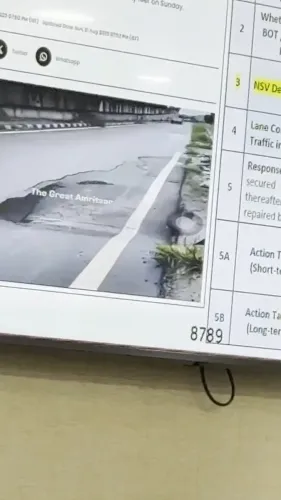
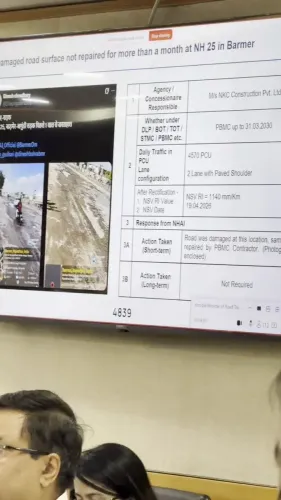
The review was prompted by inputs received through media and social media , alongside formal NHAI and MoRTH channels.
Officials were instructed to accelerate on-ground works and adopt modern construction practices to enhance asset life and riding quality.
Advance monsoon preparedness directives covered drainage management, slope protection, and quick-response mechanisms.
The Delhi-Haryana corridor is a critical NCR artery under the Bharatmala Pariyojana and PM Gati Shakti frameworks.
Contractors and NHAI teams now face tightened quality monitoring expectations from the ministry.
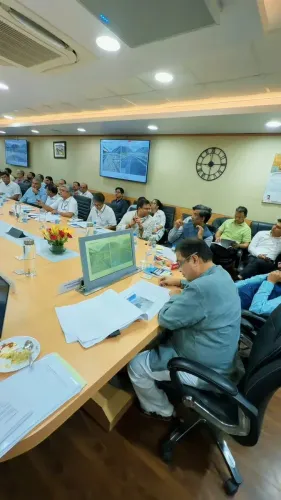
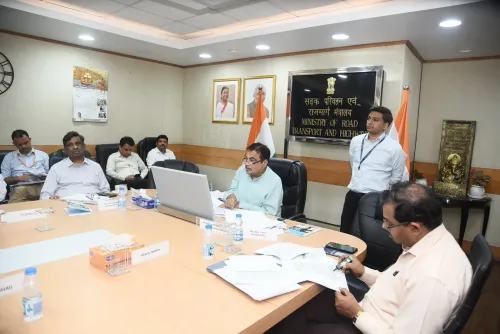
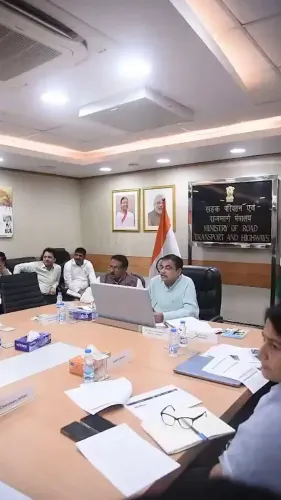
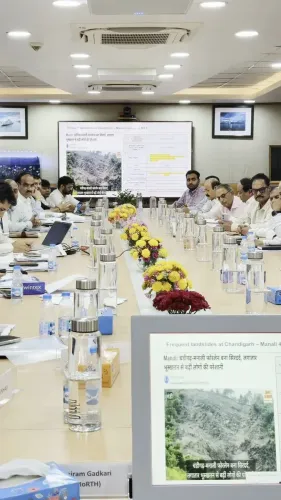
Union Road Transport and Highways Minister Nitin Gadkari on Tuesday, 26 May 2026 chaired a high-level review meeting in New Delhi to assess the quality and maintenance progress of national highway projects spanning 3,332 kilometres across Delhi and Haryana, acting on inputs received through media and social media channels.
Context
The meeting brought together senior officials from the National Highways Authority of India (NHAI), the Ministry of Road Transport and Highways (MoRTH), and project contractors. Gadkari underscored the need to accelerate on-ground works, tighten quality monitoring, and adopt modern construction practices to enhance asset life and improve riding quality.
Notably, the review was triggered in part by feedback received through media and social media — a pattern that has become increasingly routine for high-visibility corridors in the National Capital Region (NCR), reflecting the ministry's responsiveness to public reporting on road conditions.
Policy Backdrop
The Delhi-Haryana corridor sits within the broader framework of the Bharatmala Pariyojana, the umbrella highway development programme approved in 2017 to optimise national highway construction, economic corridors, and logistics efficiency. The review also aligns with the PM Gati Shakti national master plan, launched in October 2021, which mandates GIS-based coordination across road, rail, and other infrastructure sectors.
MoRTH guidelines dating to 2015 have mandated periodic quality audits and the use of modern materials to improve pavement life, making structured reviews of this kind a standard ministerial tool for enforcing compliance across executing agencies.
Monsoon Preparedness at the Centre
A significant portion of the meeting focused on advance planning for the 2026 monsoon season. Gadkari instructed officials to prioritise drainage management, slope protection, and the establishment of quick-response mechanisms to minimise disruptions and ensure commuter safety during heavy rainfall.
Drainage failures and slope instability have been recurring annual challenges on national highway stretches across northern India, making pre-monsoon preparation a critical window for preventive intervention. The directive signals that the ministry intends to front-load corrective action before the season onset rather than respond reactively.
Stakeholders and Impact
The Delhi-Haryana corridor is among the most heavily trafficked in northern India, serving daily commuters, freight operators, and inter-city travellers connecting the capital with cities such as Gurugram, Faridabad, Ambala, and Chandigarh. Improved riding quality and reduced monsoon-related disruptions on these stretches would have direct economic and safety implications for millions of road users.
Contractors and NHAI project teams now face tightened oversight expectations, with the minister's public emphasis on quality monitoring signalling that performance on these corridors will remain under close scrutiny.
What's Next
The ministry is expected to track NHAI's quarterly progress reports on the Delhi-Haryana stretches, with revised maintenance schedules likely to be drawn up ahead of the monsoon onset. Gadkari's instruction to leverage 'modern construction practices' suggests that technology-driven quality assurance — including materials testing and digital project monitoring — will be a benchmark for contractor compliance going forward. Sustained political attention on this corridor, amplified by social media feedback loops, means that any visible deterioration in road quality is likely to prompt further ministerial intervention.
Point of View
Issued weeks before seasonal onset, reflects a shift from reactive crisis management to institutionalised pre-emptive planning on high-traffic corridors. Taken together, the review reinforces the ministry's broader pattern of using high-visibility interventions on NCR highways to set quality benchmarks that cascade to less-scrutinised stretches nationwide.
NationPress
26 Sept 2026
Frequently Asked Questions
What did Nitin Gadkari review on 26 May 2026?
Gadkari reviewed the quality and maintenance progress of 3,332 km of national highway projects in Delhi and Haryana, meeting with NHAI and MoRTH officials and contractors in New Delhi.
Why was the highway review triggered?
The review was prompted by inputs received through media and social media highlighting concerns about road quality and maintenance on Delhi-Haryana national highway corridors.
What monsoon instructions did Gadkari give to NHAI?
Gadkari directed officials to undertake advance planning covering drainage management, slope protection, and the establishment of quick-response mechanisms to minimise disruptions and ensure commuter safety during the 2026 monsoon.
Which schemes cover the Delhi-Haryana highway corridor?
The Delhi-Haryana corridor falls under the Bharatmala Pariyojana (approved 2017) and is part of the PM Gati Shakti multimodal connectivity framework launched in October 2021.
What is NHAI's role in this review?
NHAI , the statutory body under MoRTH responsible for NH development and maintenance, participated in the review and is expected to implement the minister's directives on quality monitoring and monsoon preparedness.